

Hang Seng warrants: traders complain
In 3 letters to SGX and MAS, they allege Macquarie's pricing is "unfair" and "erratic", with warrants often not moving in line with underlying index
Singapore
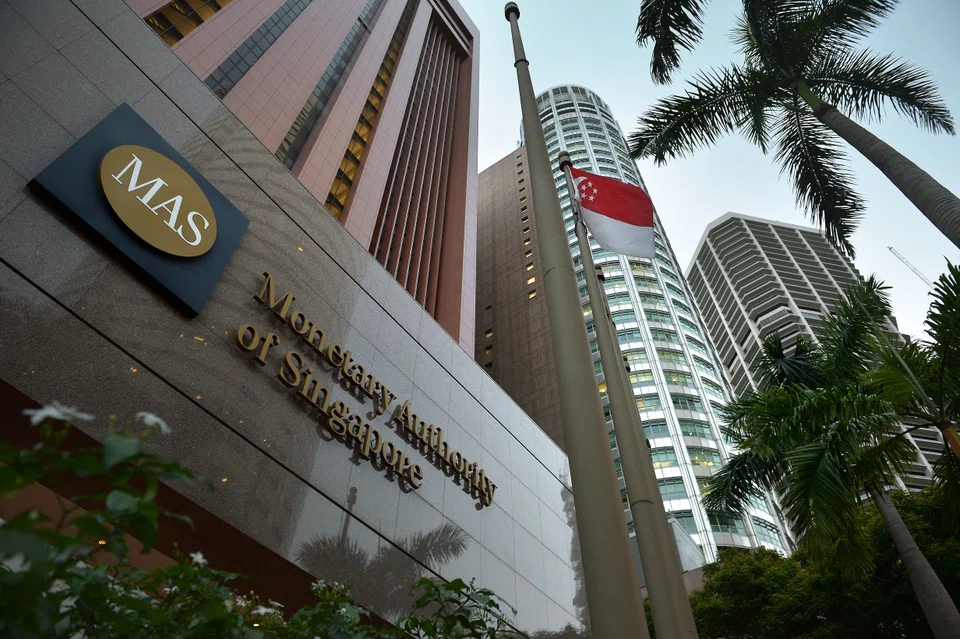
A GROUP of professional traders has complained three times over the past six months to the Singapore Exchange (SGX) and the Monetary Authority of Singapore (MAS) about the market-making activities of Macquarie Capital Securities (MCS) for the Hang Seng Index (HSI) warrants issued by Macquarie Bank (MB).
In complaints dated Nov 12, 2014, Dec 22, 2014 and March 8, 2015, the traders alleged that the warrants often did not move in accordance with the underlying index and the theoretical pricing model. They listed dozens of instances, illustrating situations where call warrants fell instead of rising when the HSI rose, and where put warrants also fell when the HSI dropped.
MCS is the designated market maker (DMM) for warrants issued by MB, which means that MCS is obliged to provide constant buy-and-sell prices throughout each trading session.
For example, according to the latest batch of HSI call warrants issued in April, the term sheet specified that the maximum bid-offer spread was 10 times the minimum permitted price movement in the warrants or S$0.20, whichever was greater.
The complaints alleged that MCS's pricing was "erratic" and "unfair". Between Dec 22, 2014 and March 8, 2015, the complainants claimed to have recorded 66 instances of "erratic price behaviour", including alleged odd delays in MCS's automated price quoting system which proved detrimental to the complainants' trading positions.
When contacted, an SGX spokesman said it had received the complaints and was looking into them but could not comment on specific cases. BT understands MAS is awaiting SGX's findings since it is the exchange which supervises DMMs.
Meanwhile, an MCS spokesman said it had been notified of the complaints but could not comment as it had not received details yet.
Warrants are derivative instruments that derive their value from an underlying asset. Call warrants give holders the right to buy the asset at a fixed price within a specified time frame and so rise when the underlying asset rises, while put warrants give holders the right to sell the asset at a fixed price within the stated time period and therefore gain value when the underlying asset falls.
Structured warrants differ from company-issued warrants in that they are offered by financial institutions (usually banks like MB) when there is demand for such instruments.
Upon expiry, warrants that are "in the money" are settled in cash by issuers - that is, calls whose exercise prices are below the actual price of the underlying asset or puts whose exercise prices are above the market price.
Warrant pricing typically uses an option pricing formula that incorporates five variables: time to expiry, the underlying asset's price, the exercise price, the risk-free interest rate, and expected future volatility.
In order to ensure a profitable business, issuers actively hedge their positions, usually by buying or selling the appropriate quantity of over-the-counter options or the underlying asset itself.
In theory, because of their hedging, issuers are directionally neutral, and so are thought to be largely indifferent to the direction of the underlying asset. However, they are exposed to the volatility of the underlying asset. So in times of great volatility, issuers face higher hedging costs.
MB is the market leader in the local market for HSI structured warrants with an estimated 90 per cent market share.
TRENDING NOW

One-third of Singapore-listed firms at risk in severe AI downturn: MAS

‘Not done’: Keppel CEO Loh Chin Hua transformed the group, but says there’s ‘still a lot to do’

He built the Vingroup empire. Now South-east Asia’s richest man is handing some key roles to his sons

‘We don’t want to stay as we are’: CEO Patrick Ng builds a more resilient Huationg

