

Philippines plans to spend US$1.7 billion to cut farm losses
 Add BT as a preferred source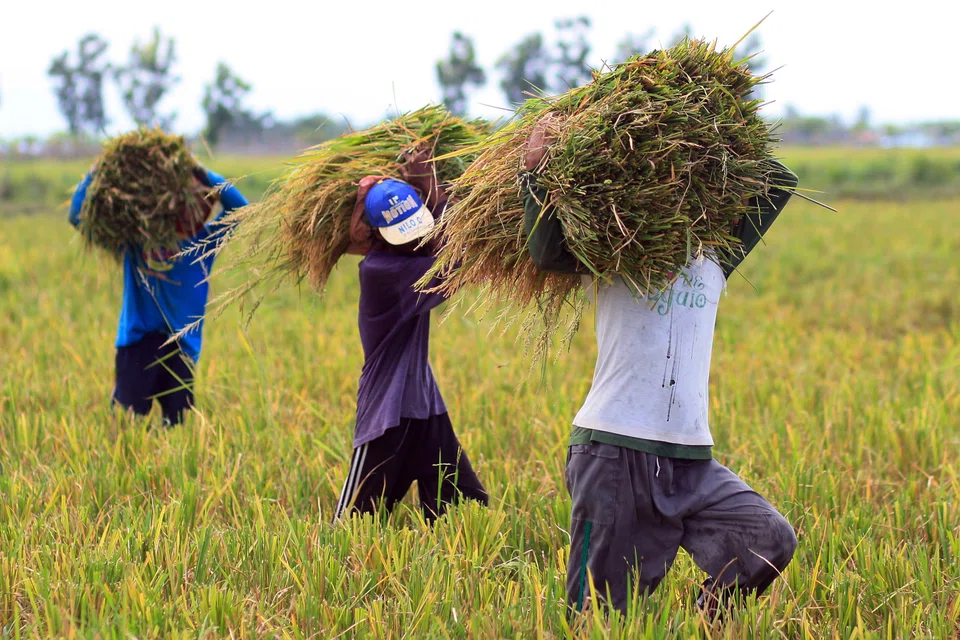
DeeperDive is a beta AI feature. Refer to full articles for the facts.
THE Philippines, the world’s top importer of rice, plans to spend US$1.7 billion to build more storage and other facilities to boost food production and cut prices.
The government will build facilities that will minimise post-harvest losses and lessen dependence on imports, the Department of Agriculture said in a statement on Tuesday (Jan 16). It aims to increase rice and corn inventory by 23 days.
The South-east Asian nation aims to modernise farm and fisheries production and develop its logistics system, Agriculture Secretary Francisco Tiu Laurel said.
Around 30 per cent of farm production is lost due to poor logistics, and eliminating such losses will lower the cost of high-value crops and vegetables by as much as 15 per cent, Tiu said in a briefing.
The country incurs 494,000 metric tons or 10.8 billion pesos (S$258.7 million) a year in post-harvest losses on the staple grain and corn, according to government data.
The government targets to complete 47 cold chain facilities by June 2028, the end of President Ferdinand Marcos Jr’s term, adding to the 268 facilities built as of November.
Navigate Asia in
a new global order
Get the insights delivered to your inbox.
The Philippines is vulnerable to rice price shocks, which persisted despite a month-long price cap in September and lower import tariffs. Consumer prices in the country rose 3.9 per cent in December, the slowest in 22 months but rice inflation was at its quickest pace since March 2009. BLOOMBERG
Decoding Asia newsletter: your guide to navigating Asia in a new global order. Sign up here to get Decoding Asia newsletter. Delivered to your inbox. Free.
Share with us your feedback on BT's products and services
TRENDING NOW
‘Boring’ is the new black: The stars are aligning for a Singapore stock market revival
Near sell-out launches in March boost developer sales to 1,300 units after four slow months

China pips the US if Asean is forced to choose, but analysts warn against reading it like a sports result

Genting Singapore’s Lim Kok Thay receives S$7.5 million pay package for FY2025

