

Writer Susan Cain instigates a 'quiet revolution' of introverts
New York
LAST month, 50 executives from General Electric gathered on the fourth floor of a New York office building for a "fireside chat" with Susan Cain, author of the 2012 book Quiet: The Power of Introverts in a World That Can't Stop Talking, which has sold two million copies worldwide.
One man asked what advice Cain had for his introverted college-bound daughter. "Take time to find your tribe," she said. "It's a difficult world when the social currency is how gregarious you are." "I'm having my own identity crisis," joked a woman who said she is from a boisterous Italian family, where her introversion is often misunderstood.
"Are you ready to do marriage counselling?" one executive asked the author, to a knowing chortle from the crowd.
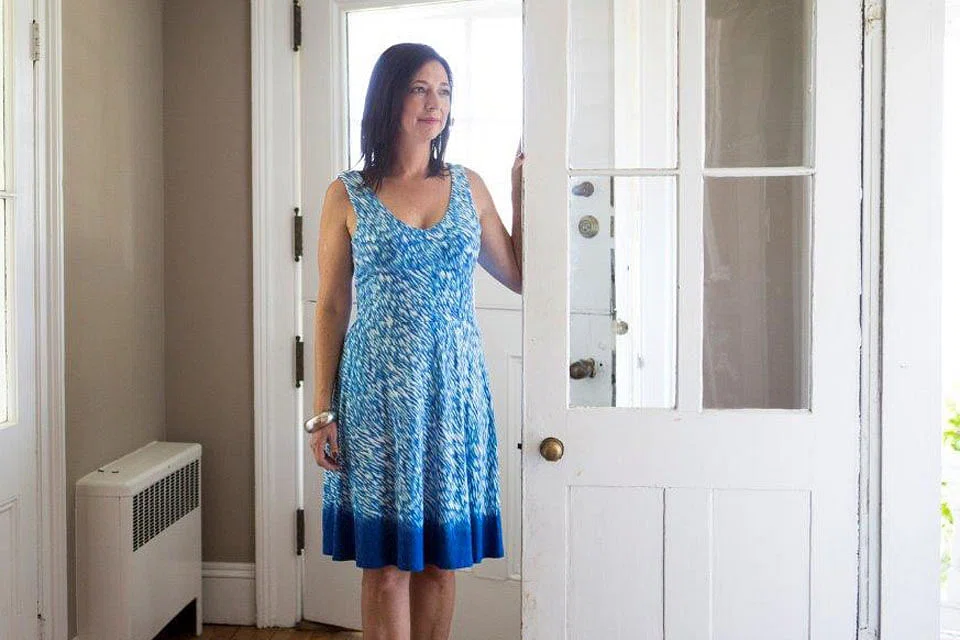
At 47, Cain, who is petite and exudes the gentle calm of an experienced yogi, has become a coveted draw on the public-speaking circuit - though she is a champion of people who don't like to advertise themselves.
A talk about Quiet she gave at a 2012 TED conference has been viewed more than 11.6 million times online. And she has delivered more than 100 speeches since then, sometimes commanding five figures for an appearance. (She also does pro bono work, she stressed.)
Cain started, or at least was on the forefront of, a bona fide publishing trend. Books by other authors after hers include The Introvert's Way: Living a Quiet Life in a Noisy World and a guide in the popular For Dummies book series titled Success as an Introvert. And it is at least partly because of her efforts that The Huffington Post, BuzzFeed and the like are now teeming with personality quizzes and posts like "Can You Survive This Party as an Introvert?" and "26 Cat Reactions Every Introvert Will Understand". "Now people think it's cool to be an introvert," said Amy JC Cuddy, a social psychologist and associate professor at Harvard Business School, adding that at least half her students tell her they have read Cain's book. "I love that the students are no longer ashamed," she said.
One may have expected Cain to follow up with another book, and indeed she considered it, but she changed her mind after seeking advice from Seth Godin, a best-selling author who chronicled social movements.
"Writing a book is rewarding," Godin said he told her. "But it doesn't change most people's lives." And so Cain, who has been coached in public speaking, is now promoting Quiet Revolution, a for-profit company she has started that is focused on the work, education and lifestyle of introverts, which she defines roughly as people who get their psychic energy from quiet reflection and solitude (not to be confused with people who are shy and become anxious in unfamiliar social situations). Extroverts, by contrast, thrive in crowds and have long been prized in society for their ability to command attention. Many people share attributes of both, she said.
Cain and Paul Scibetta - a former senior executive at JPMorgan Chase whom she met when they both worked at the law firm Cleary Gottlieb Steen & Hamilton in the 1990s - have set up the Quiet Leadership Institute, working with executives at organisations like NASA, Procter & Gamble and General Electric to help them better understand the strengths of their introverted employees.
They are developing an online education course for parents and have begun to introduce a series of other programmes: a co-branded lifestyle section on The Huffington Post overseen by Quiet Revolution staff members (of whom there are 13 thus far), a podcast, a website to support a community that includes writers and advocates called Quiet Revolutionaries, and a line of young-adult books and shows whose heroines are quiet leaders.
The company is based at Quiet House, a two-storey Victorian house with a view of Hudson River near Nyack, New York. The employees there observe "quiet mornings": no meetings before 12:30pm and none on Fridays. The dining room is a shared work space. Scibetta works in an upstairs bedroom, where he set up a whiteboard in front of a fireplace. Across the hall is Michael Glass, the creative director, formerly director of TED Talks in New York.
Cain sensed her own introversion early on. "I've been aware of it since I was four, even though I didn't have a language for it," she said. The youngest of three raised in Lawrence, New York, she wrote plays in fifth grade and set up a workshop under a card table in the family den where she produced a magazine, Rags, selling subscriptions to family members.
Cain attended Princeton and then Harvard Law School, which she graduated from in 1993. After working in corporate law, she became a consultant, teaching executives how to negotiate, and noticed her quieter clients feared that they lacked the proper temperament to do so. Her research suggested that this is, per her own experience, rooted in childhood.
"Everything is telling kids: 'Do not follow your actual nature. Be a cheerleader'," she said. Cain wants to let them know it's okay, and maybe even beneficial, to keep to themselves. "There are a lot of kids who don't make it to the other side," she said. "And they are sitting there wishing they were different."
Not that extroverts are being shut out of this conversation (as if). Mike Erwin, a former professor of leadership and psychology at the US Military Academy who served in the Iraq and Afghanistan wars, invited Cain to speak to cadets in 2012 after he finished reading Quiet. He didn't understand students who were reticent to talk in class or who wanted to explore every risk before jumping into a task.
"I'm an extrovert," he said. "And, as I look back at my career, I wrote off a lot of people who didn't speak up or want to be in charge." In May, he was appointed chief executive of the Quiet Leadership Institute, where he is helping project managers at NASA learn how to lead teams populated with introverts (a common personality type in science). At Procter & Gamble, Erwin said, executives in R&D are exploring, among other things, how to help introverts become more confident leaders.
"If you are confident in who you are," he said, "you can allow a lot of criticism to not affect you."
This, Cain said, is particularly true in social-media culture, where attention is heaped on the noisy and provocative. "It's a culture that says it rewards authenticity," she said, "but it really rewards a curated, managed kind of authenticity. It's not and will never be the authenticity of two friends sitting down and having a cup of coffee together and sharing the truth of their lives." NYT
Share with us your feedback on BT's products and services
TRENDING NOW

Government to bring forward raising of retirement age, give employers more financial support to create flexi-load jobs
If Europe goes to war, the fallout will be felt in East Asia

Indonesia stocks suffer worst plunge in nearly 30 years as MSCI proposes standalone status

Vietnam’s northern provinces, not Hanoi or Ho Chi Minh City, are powering near 10% GDP growth

