

Extraordinary People partners Pan Pacific to launch hospitality academy for PWDs
Collaboration between the non-profit and hotel group aims to create employment pathways in F&B, guest relations and housekeeping
 Add BT as a preferred source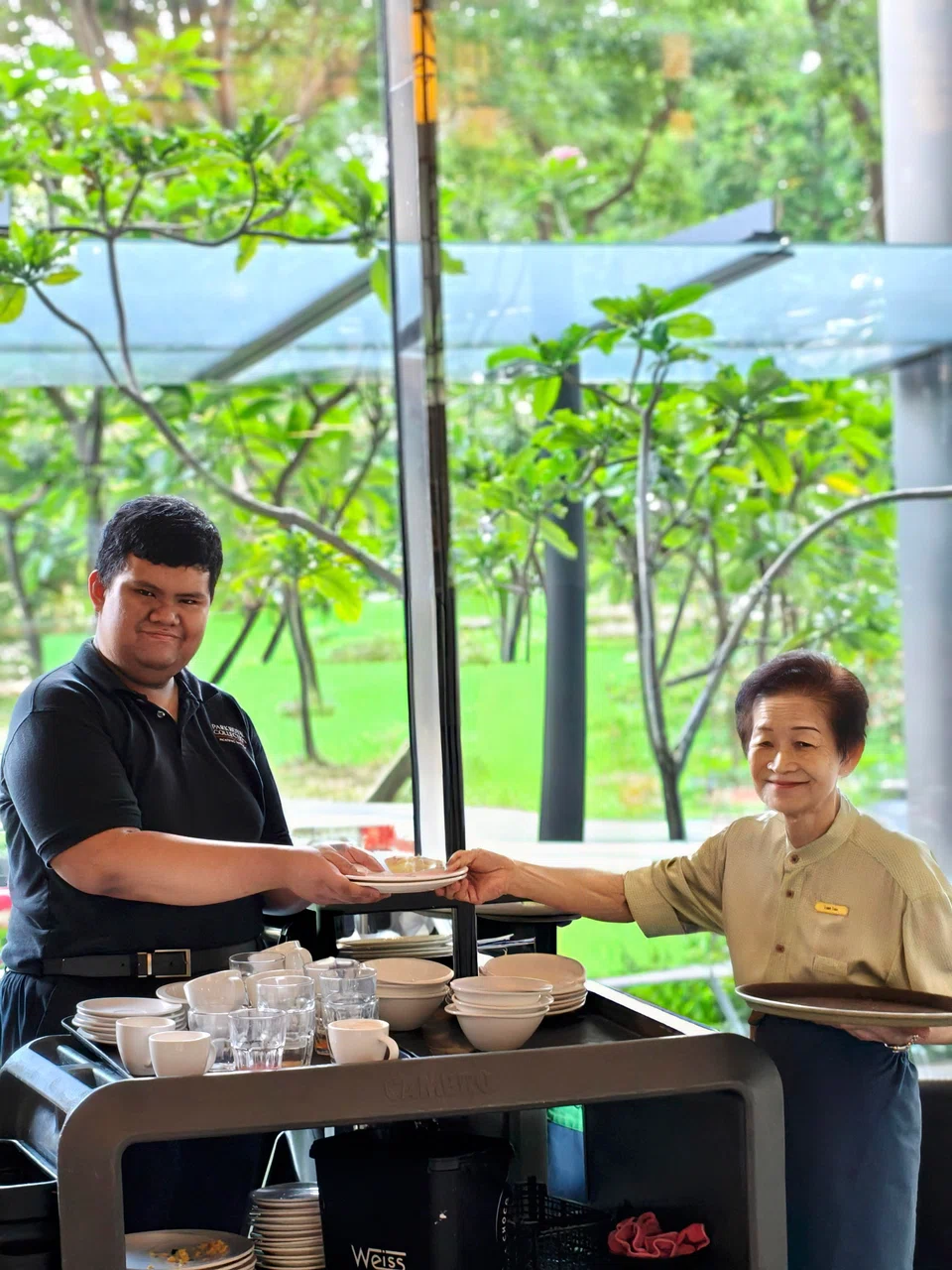
[SINGAPORE] Pan Pacific Hotels Group (PPHG) and non-profit organisation Extraordinary People have partnered to launch the Inclusive Hospitality Training Academy (IHTA) for persons with disabilities (PWDs).
Kung Teong Wah, PPHG cluster general manager overseeing ParkRoyal Collection Pickering and ParkRoyal on Beach Road, said: “By combining our hospitality expertise with Extraordinary People’s specialised knowledge in supporting PWDs, we can develop a more structured training model that equips individuals with industry-relevant skills before job placement.”
IHTA will do this through training, workplace exposure, employer partnerships with hospitality operators and post-training support. The long-term aim is to create employment pathways for PWDs in F&B, guest relations and operations such as housekeeping.
For example, within housekeeping, beneficiaries will learn room preparation, cleanliness standards and safety protocols. Within F&B services, they will be trained in basic service techniques, customer interaction, and hygiene and food safety.
Kung added: “Beyond technical competencies in hotel operations, we provide trainees with an authentic working environment where they can develop essential soft skills such as customer service, problem-solving and interpersonal communication.”
They will also pick up teamwork and adaptability skills, and be trained in professional conduct.
“These skills are transferable. Participants learn how to navigate social interactions, manage responsibilities and adapt to different environments, which supports both employment readiness and daily living,” he said.
Extraordinary People and PPHG will also train supervisors and other employees on how to support PWDs in the workplace.
The academy has been operational since April. It is located at the Beach Road hotel, close to where Extraordinary People is located.
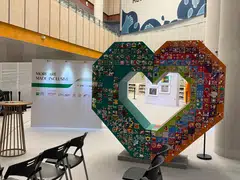
Each batch of students will train for six months before being placed in one of PPHG’s hotels. There will be around 10 people in each batch, with a ratio of one trainer to four or five beneficiaries.
Inclusive hiring
Extraordinary People CEO Ivan Chin said: “Inclusive hiring is about accommodating their day-to-day habits and working to their advantages, strengths, capabilities and potential.”
With IHTA, Extraordinary People hopes to also work with employers to redesign jobs for PWDs, to encourage inclusive hiring.
Creating more sustainable employment pathways for PWDs helps to address the “post-18 cliff effect”, said Chin. This refers to the sudden reduction of services and support available for PWDs once they turn 18 and graduate from a special education school.
“There’s an increasing need for support for post-18 pathways, and there are a lot of opportunities for them. They have a liking for some of this hospitality work because it is repetitive,” he observed. “We realised that the number of PWDs is increasing, so we want to support them in a bigger way.”
Based on 2024 data from KK Women’s and Children’s Hospital, about 7,000 children are diagnosed with developmental needs every year in Singapore.
Kung added: “There is also a shortage of structured, industry-relevant training pathways that are tailored to different learning needs. Without this, many youths experience underemployment or remain disengaged.”
Ecosystem already in place at PPHG
Across PPHG, there are currently 30 job placements for PWDs. The group is aiming to double this number in the next two years.
“PPHG has the capacity to increase (the number of placements) because the ecosystem is already in place,” said Chin.
For example, Ernawati Fauzana Zakaria is a housekeeping ambassador who folds napkins for ParkRoyal Collection Pickering’s restaurants. Because she has low vision, PPHG came up with a more flexible working arrangement to accommodate her weekly medical appointments.
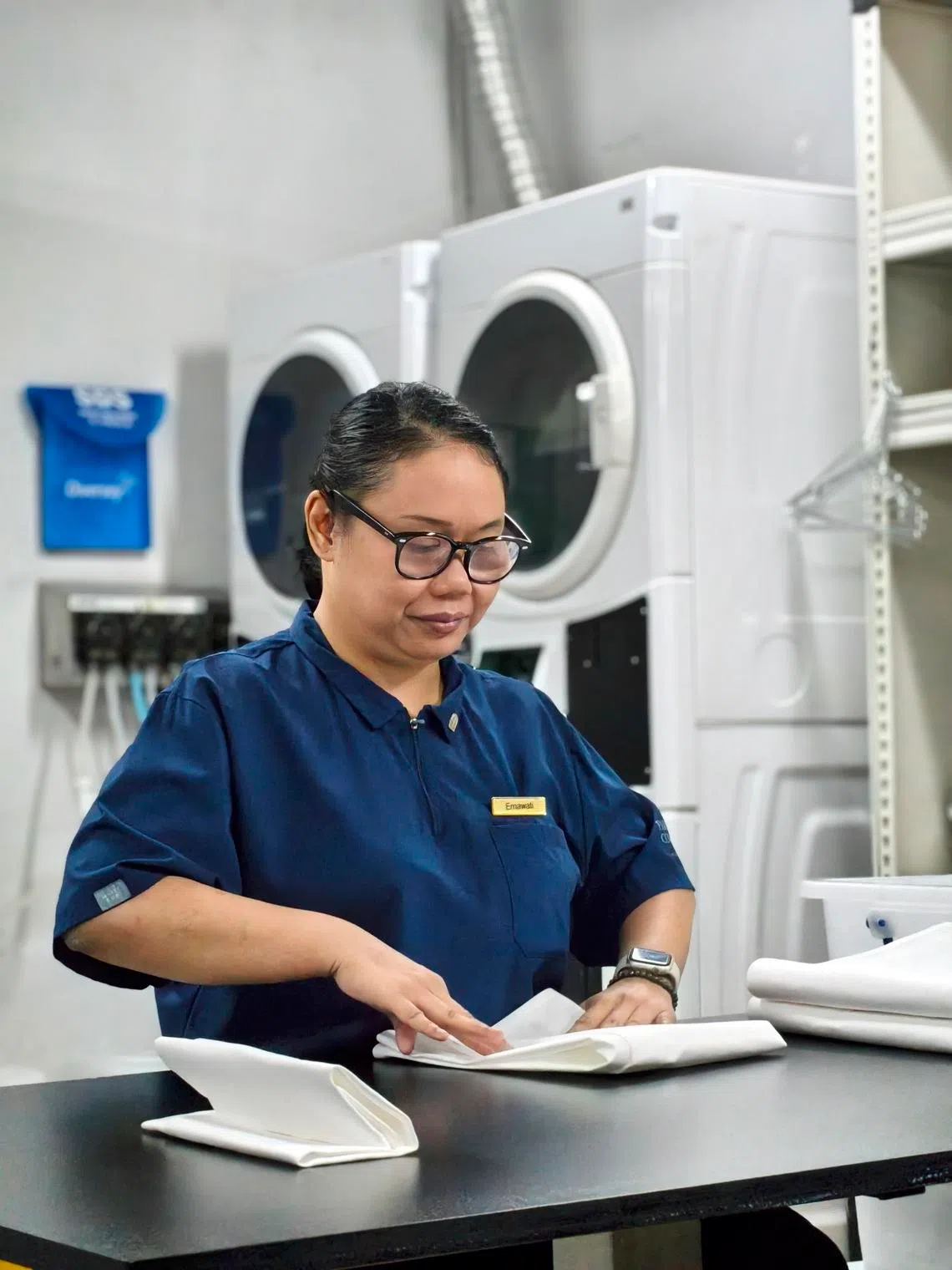
Kung noted that she is also “more productive” than those able-bodied staff in some tasks, as she tends to get less distracted. Because the work is repetitive, she can fold napkins “very quickly”.
PWDs can also fill a gap by helping mature workers with tasks that they are no longer able to do. For instance, Dave Burgos Abelinde, a PWD working in F&B services, often helps mature worker Tan Lian Tee carry heavy things when they work together at the Pickering hotel’s buffet restaurant.
Chin said: “The model about PWDs coming in to work with the elderly is even more powerful because that is another level of inclusion.”
Kung emphasised that technology is utilised to make PPHG’s staff more employable as it will “complement (the work) that mature workers and PWDs do”.
For example, the group already utilises autonomous guided vehicles to transport luggage to the lobby so that mature workers can focus on greeting and helping guests instead.
Chin said PPHG can be used as a model for other players in the hospitality industry when it comes to inclusive hiring. He hopes to expand IHTA to onboard more employer partners.
“The ability to design, accept and work with PWDs and create the right environment for them – this is the kind of ecosystem that we’re trying to build,” he added.
Decoding Asia newsletter: your guide to navigating Asia in a new global order. Sign up here to get Decoding Asia newsletter. Delivered to your inbox. Free.
Copyright SPH Media. All rights reserved.
TRENDING NOW
‘I felt like dying’: Thai Singha beer scion speaks up after disclosure of alleged sexual abuse

DBS to launch tokenised physical gold for retail customers in Singapore

S$500 CDC vouchers for all Singaporean households from June 11; Government ready to do more if needed: DPM Gan
Singapore men, are you OK?

