Keeping golf clubs financially sustainable
Interest in the sport remains strong, but high operating costs mean clubs need to broaden their revenue base
 Add BT as a preferred source
[SINGAPORE] The gradual closure of golf clubs in land-scarce Singapore has meant there are now fewer clubs for golfers to play at. And there will be fewer still.
As leases on their land expire, only 12 golf courses will remain by 2035. Of these, only six have transferable memberships.
Meanwhile, according to the R&A Global Golf Participation Report 2025, the total number of registered golfers last year stood at 45,500, an 8 per cent year-on-year increase.
In addition, there are some 95,000 non-registered golfers on course, who play at home and abroad.
Golfing will “forever be in demand”, says Fion Phua, founder of club membership broker, Tee-Up Marketing Enterprises. “It is the only game where you can walk and talk business, and it can be played at any age.”

While there are still plenty of golfers around, the bigger challenge for clubs is to stay financially sustainable.
Operating golf courses is a costly affair, especially for members’ clubs – those collectively owned by their members – which are run on a non-profit basis. They differ from proprietary clubs such as Laguna National Golf Resort Club, which are businesses owned and controlled by a proprietor, and whose members have no voting rights.

While fewer clubs should mean that the remaining ones are in high demand, there are constraints. For instance, leases for Singapore Island Country Club’s Bukit Course and Tanah Merah Country Club’s (TMCC) Garden Course are expiring by 2035, notes Phua.
That can take some of the shine off buying memberships there. Long-time members are also ageing and may baulk at paying higher fees to maintain their clubs.



Meanwhile, two members’ clubs are not sitting still. Both TMCC and Warren Golf & Country Club are taking steps to run their operations more efficiently and boost their revenue. So far, their efforts are reaping results.
Innovative membership scheme
Faced with an ageing membership, rising building and maintenance expenditure and a course utilisation rate of just 70 per cent (and an even lower rate for the club’s other facilities), TMCC last year introduced an innovative term-membership category that has been very well received.

The Millennium Term Membership (MTM) is unique for its focus on younger players aged 21 to 40. The entrance fee for golfers from 21 to 30 is S$109,000 and S$130,800 for those aged 31 to 40. The downpayment is S$21,800 and S$32,700, respectively, with the balance payable via interest-free monthly instalments over 10 years.
This compares favourably with S$35,000 for a one-year term membership or S$67,500 for a two-year version.
The MTM is non-transferable within the first 10 years and will remain valid till Dec 31, 2040, when TMCC’s current lease at its 18-hole Tampines Course ends.
After 10 years, those holding an MTM have the option of converting their membership to a local ordinary membership – currently trading at around S$158,000 – subject to payment of a conversion fee based on the prevailing market rate and approval by the club’s general committee.
So far, 175 people have signed up for the MTM option, which puts membership at a premier golf club within reach of a younger audience. Not only does it bring vibrancy to the club, it is a more palatable alternative to looking solely at raising subscription fees to cover the club’s immense running costs.
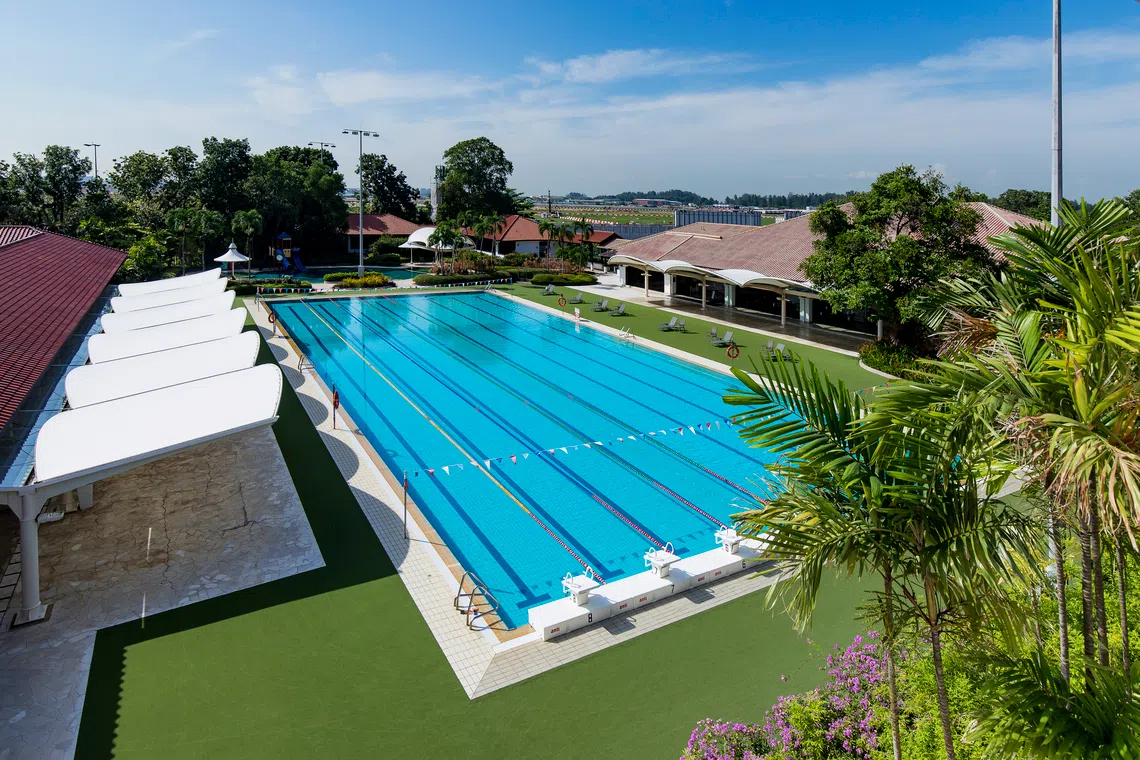
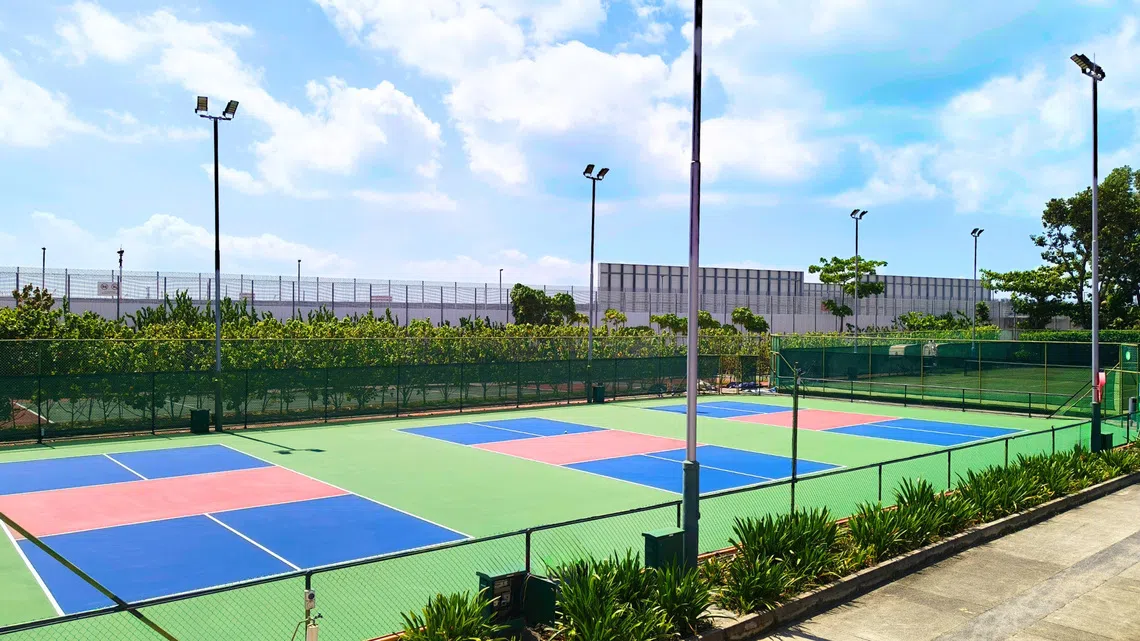
TMCC is also taking other measures to maintain financial sustainability, says Ashok Kumar, the club’s deputy chairman.
“These include reducing costs by using solar power, better water management, outsourcing some functions and building revenue through corporate events, reasonable subscription fees and the sale and transfer of memberships.”

In the light of golf course renovations – which have to be done every 10 years or so – and other capital expenses which require long-term planning, Ashok says clarity on leases is important “while balancing the need for land in Singapore for other uses”.
“In the end, the country will benefit from maintaining Singapore as a golf destination for competitions and tourism. Providing opportunities for young golfers to own clubs is also important, given the growing interest (in the sport) among the young.”
Members step up
In April, Warren Golf & Country Club president Bobby Wee wrote to members, pointing out that the club’s finances were “in a dire state”.
He urged them to vote in favour of proposed constitutional changes, which would essentially give Warren the financial wiggle room to continue operating until the end of its lease in October 2030.
The alternative, he said, is “the very real possibility” that the club could close “as early as next year”, as its existing reserves are fully utilised to pay for its land lease and rising operating expenses.
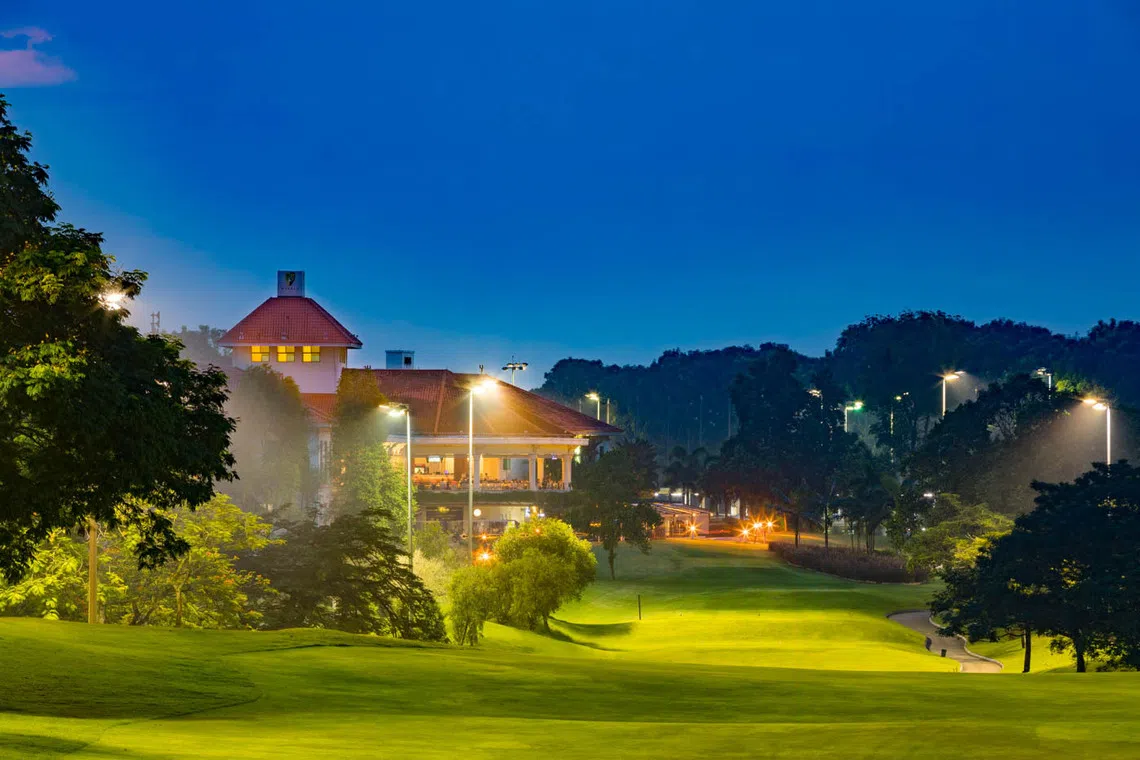
Wee tells The Business Times that golf clubs today operate in an increasingly challenging environment.
“Like many businesses and organisations in Singapore, clubs have to contend with rising operating costs, including manpower, utilities, maintenance and the upkeep of ageing infrastructure and facilities.”
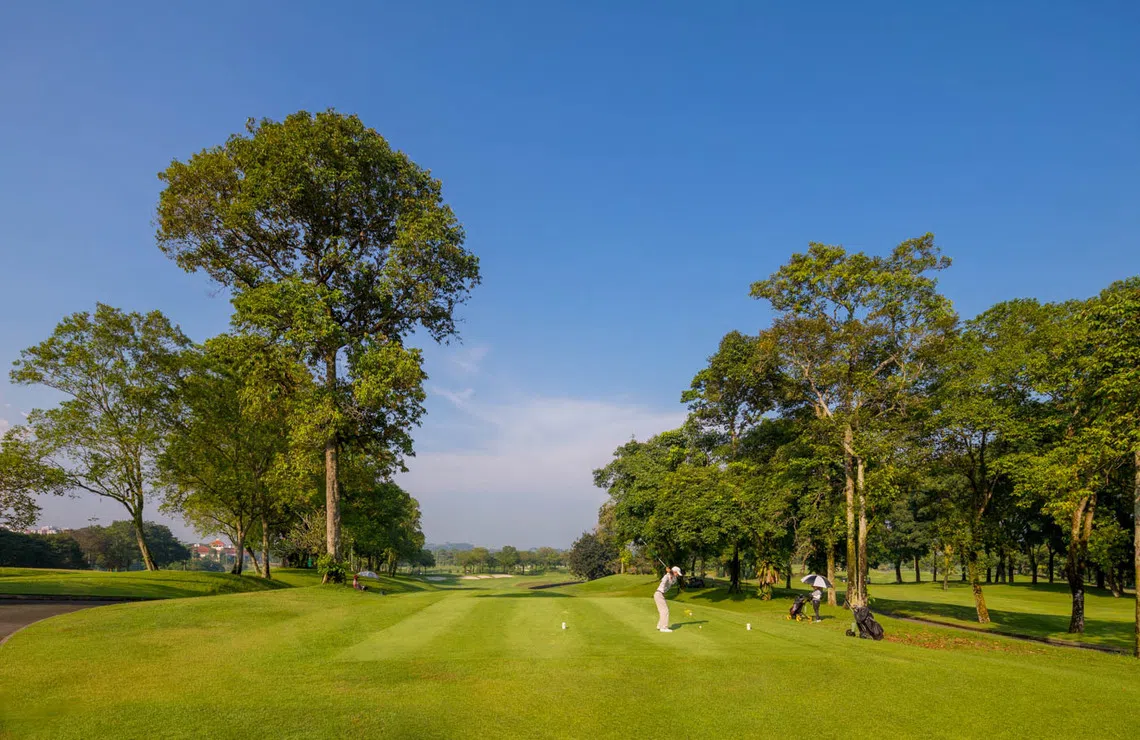
They face the challenge of balancing affordability for members with the need to maintain high standards in course conditioning, facilities and service, while providing a positive club experience and strong sense of community.

“This is a members’ club. We’re not rich, so we’ve got to find the best deal for the members and club,” Wee explains. “We cannot afford to keep losing money.”
Members heeded his call. Among other things, they approved a monthly contribution to the club’s general fund and lifted a cap on members’ golfing fee hikes.
They also removed a provision linking Warren’s term-membership joining fee to that of its transferable golfing membership, which is now trading at around S$10,000.
These will give the club’s management committee flexibility to adjust fees in a timely manner and generate additional revenue. In July, it launched a one-year term membership at S$2,888, which 63 golfers have since taken up. The target is to have 100 such members by the end of the year.

“The initiative is part of the club’s broader efforts to optimise the utilisation of its facilities, particularly the golf course, while diversifying and strengthening its revenue streams,” explains Wee, noting that term membership provides an opportunity to make use of “unutilised capacity” within the golf course.

“It also provides the club with an additional source of recurring revenue through joining fees, monthly subscriptions and members’ spending within the club.”
To effectively tackle mounting cost pressures, golf clubs need to manage costs prudently while finding sustainable ways to broaden their revenue base.
For instance, Warren is keeping an eagle eye on operating costs, with its 80-strong staff multitasking to increase productivity. On the revenue side, it started to charge non-members for parking in March, generating some S$15,000 in monthly revenue.
It also outsourced almost all its F&B outlets to external parties, turning a S$400,000 annual deficit due to operating losses to a surplus of about S$180,000.
Wee’s not done yet. He’s looking into leasing out offices and other available space at the club to generate additional income.
“Ultimately, financial sustainability should not be pursued at the expense of the member experience,” he cautions. “The challenge is to strike the right balance between prudent financial management, revenue generation and maintaining the quality and character of the club.”
With all the measures in place, Wee is confident the club’s finances will be healthy enough to see it through to the end of its lease.
“We’ll do our best for the next four years. When the curtain comes down, we can say the club didn’t shortchange its members.”
Decoding Asia newsletter: your guide to navigating Asia in a new global order. Sign up here to get Decoding Asia newsletter. Delivered to your inbox. Free.
Copyright SPH Media. All rights reserved.