

Europe shows diversifying from China’s economy is hard to do
 Add BT as a preferred source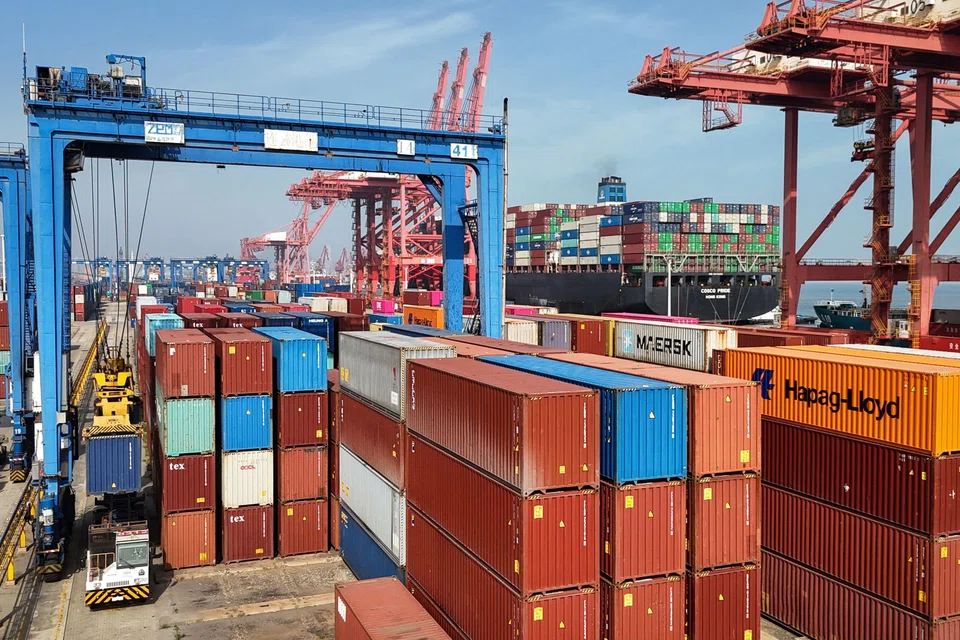
DeeperDive is a beta AI feature. Refer to full articles for the facts.
ECONOMIC diversification from China has become perhaps the key buzzword in European, and wider Western, policy towards Beijing in the post-pandemic period. Yet, attempts to deliver on this ambition have been highly uneven so far.
Take the example of German Chancellor Olaf Scholz who is on his latest visit to China along with a big business delegation that included leading brands such as Siemens, Mercedes, Volkswagen, and Bayer. Last year, Scholz’s government drew up a strategy towards Beijing that urged reducing dependence. Yet, a recent study by the German Economic Institute shows that there is still a mountain to climb.
The report, the context for which is German direct investment in China rising to a record 11.9 billion euros (S$17.3 billion) in 2023, highlights how the two economies are deeply intertwined in a wide range of product and raw material areas. It found that there are still some 200 such goods for which Europe’s largest economy relies heavily on the Asian giant – only a small decrease from the 213 in a previous iteration of the study.
Decoding Asia newsletter: your guide to navigating Asia in a new global order. Sign up here to get Decoding Asia newsletter. Delivered to your inbox. Free.
Share with us your feedback on BT's products and services
TRENDING NOW
Singaporeans can now buy record amount of yen per Singdollar

Beijing’s calculated silence on the Iran war

China pips the US if Asean is forced to choose, but analysts warn against reading it like a sports result

StarHub hands Ensign InfoSecurity control back to Temasek in S$115 million deal, books S$200 million gain

