

An overstimulated US economy is asking for trouble
An overlooked reason for US resilience is the stimulus still coursing through the economy
 Add BT as a preferred source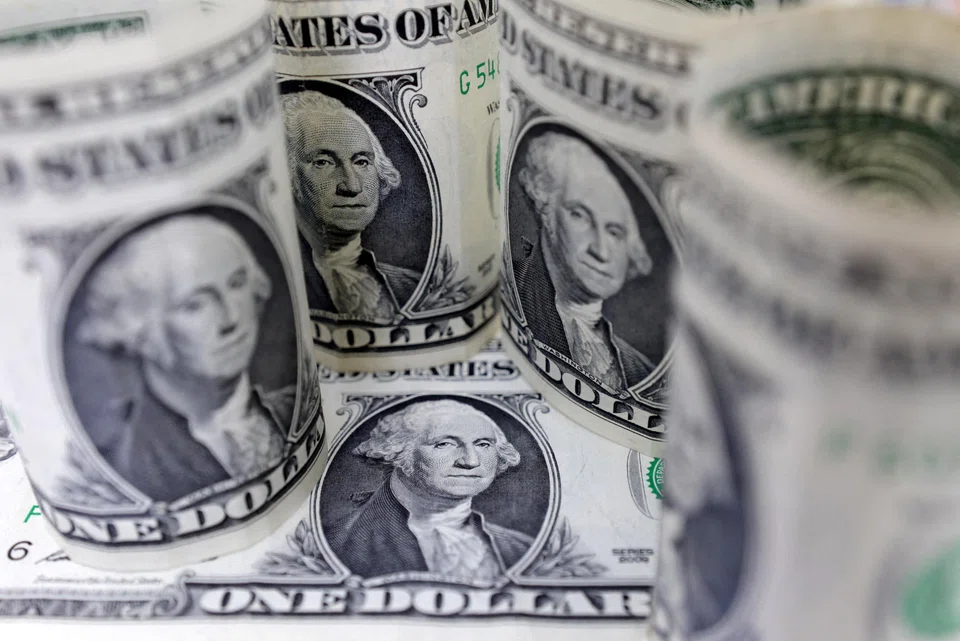
DeeperDive is a beta AI feature. Refer to full articles for the facts.
WHEN US gross domestic product (GDP) growth is reported later this month, it is expected to come in at a solid pace of at least 2 per cent for the seventh quarter in a row, defying the once universal expectation that Federal Reserve rate hikes would trigger a recession. First, economists dialled those forecasts back to a “soft landing”; now, they are talking about “no landing”.
Conventional forecasting models have been more off the mark than usual in this post-pandemic recovery. But why? Perhaps the most overlooked explanation for American resilience is that, far more than other developed countries, the United States kept stimulating its economy well after the recession of 2020 was over.
Some of that fiscal and monetary stimulus is still coursing through the system, keeping growth artificially high and inflating both consumer and asset prices.
Decoding Asia newsletter: your guide to navigating Asia in a new global order. Sign up here to get Decoding Asia newsletter. Delivered to your inbox. Free.
Share with us your feedback on BT's products and services
TRENDING NOW
Air India asks Tata, Singapore Airlines for funds after US$2.4 billion loss

Beijing’s calculated silence on the Iran war

China pips the US if Asean is forced to choose, but analysts warn against reading it like a sports result

Richard Eu on how core values, customers keep Singapore’s TCM chain Eu Yan Sang relevant

