

China home price slump eases in sign market is stabilising
A real estate recovery would help to restore household confidence and encourage spending
 Add BT as a preferred source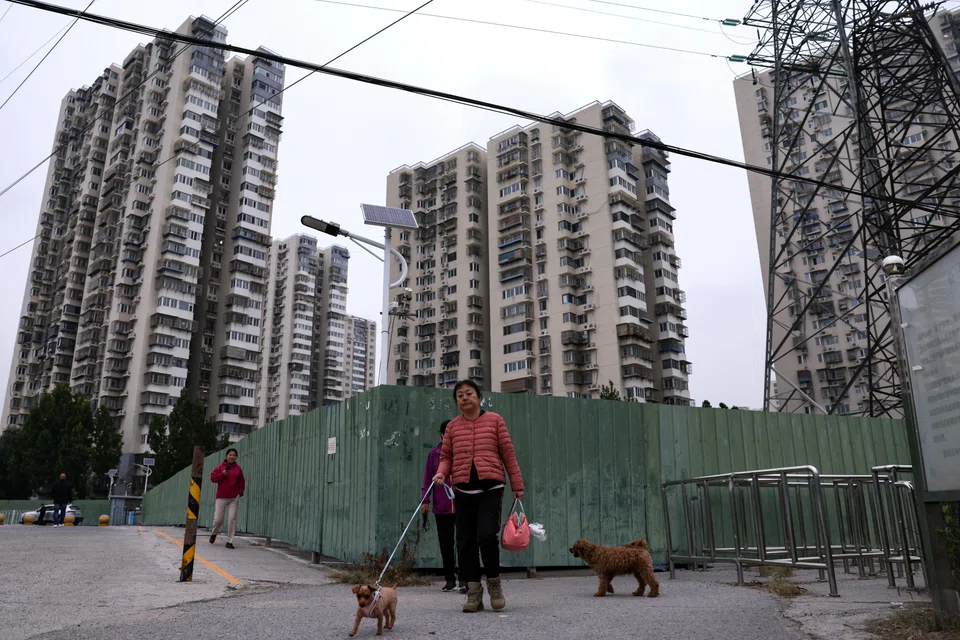
[BEIJING] China’s new-home price declines abated for a third month in April, reinforcing hopes that the multi-year property downturn may finally be nearing a bottom.
New-home prices in 70 cities, excluding state-subsidised housing, dropped 0.19 per cent from March, the smallest drop in a year, figures from the National Bureau of Statistics showed on Monday (May 18).
Resale home values, which are subject to less government intervention, decreased 0.23 per cent, the slowest fall since March 2025.
Analysts at firms including Citigroup and Bank of America have begun to suggest that the battered property sector is finally stabilising. A real estate recovery would help to restore household confidence and encourage spending, as policymakers seek to shift the economy towards consumption and away from exports.
“We expect the strong momentum in sales growth to be sustained into the second half of this year,” Citi analysts led by Griffin Chan said in a recent note. “The property market heat is extending from top-tier cities like Shanghai and Shenzhen to more tier-2 cities.”
Local governments have added measures to support the housing market after the Communist Party’s Politburo, led by President Xi Jinping, pledged to stabilise the sector at a meeting last month.
The tech hub of Shenzhen eased homebuying restrictions in the city’s prime districts, no longer requiring people to have paid social security or individual tax for a year to become eligible.
Shenzhen’s move is “a direct echo” of the Politburo meeting’s directive to stabilise the property market, which “underscores policy continuity”, Michelle Kwok, HSBC’s regional head of real estate research, wrote in a recent note.
Neighbouring Guangzhou expanded property stimulus to boost demand, raising housing provident fund loan caps and granting a cash subsidy for new mortgages. At least 14 other cities announced property market easing measures recently, according to Citi.
SEE ALSO


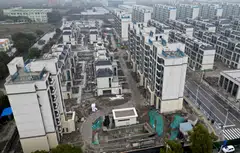


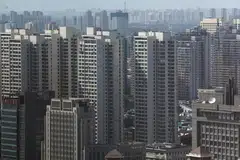
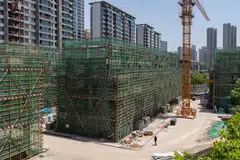
Green shoots have emerged in the used-home market, where sellers have tended to cut prices more than developers of new units.
Pantheon Macroeconomics analysts view this as part of the prolonged bottoming-out process, although they estimate it will take about a year or so for new residential inventories to reach a sustainable level. BLOOMBERG
Decoding Asia newsletter: your guide to navigating Asia in a new global order. Sign up here to get Decoding Asia newsletter. Delivered to your inbox. Free.
Share with us your feedback on BT's products and services
TRENDING NOW
Orchard plot, Jurong East EC, Raffles Town Club among 10 new housing sites in H2 GLS plan

Singapore among countries facing proposed US levy of at least 10% over forced labour imports

Johor property old hand KSL readies family handover amid market boom
Land for 4,745 private homes supplied in H2 2026 GLS confirmed list, including Jurong Lake District white site

