
This time it’s different: LaunchPad @ one-north’s next act signals a maturing startup ecosystem
The next iteration of it may be more structured and more technologically advanced
 Add BT as a preferred source
[SINGAPORE] JTC Corporation’s revamp of LaunchPad @ one-north comes as Singapore’s startup ecosystem undergoes a structural shift – one that will leave it looking markedly different from before.
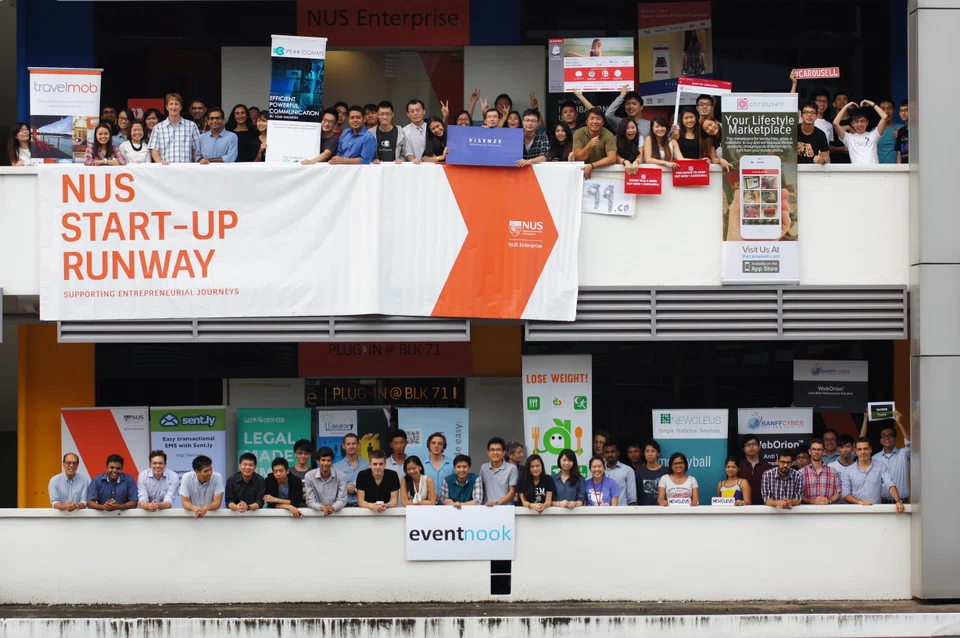
Just a decade ago, LaunchPad was synonymous with startup energy. Walls were plastered with posters about meetups and calls for beta testers, while founders huddled over impromptu discussions in shared spaces.
The former flatted factory space was where it all started for a generation of entrepreneurs chasing their startup dreams.
In the mid-2010s, LaunchPad was the place to be as a startup founder, with a mix of co-working spaces and small offices to rent by operators such as NUS Enterprise and Bash, then run by the investment arm of the Infocomm Development Authority of Singapore (now IMDA).
Founders at the time skewed towards young, often fresh graduates building their startups ranging from service marketplaces to mobility.
Seed funding was abundant, as early-stage venture funds were attracted here via government initiatives and co-funding programmes, all looking for the next big startup. Founders got funding from these venture funds taking offices in LaunchPad, helping to drive the flywheel of the startup ecosystem. This created a feedback loop of capital, talent and ideas.
Navigate Asia in
a new global order
Get the insights delivered to your inbox.
Corporates, too, were out in force, hosting hackathons and incubators to get in on the action. LaunchPad had to expand – with blocks 75, 77 and 81 built in 2015 to house corporates such as ST Engineering, which were looking to work with startups to solve real world problems. see Amendment note
The vibes, as the kids say these days, were immaculate, with a distinct buzz in the air.
Evolving, maturing
In the post-pandemic landscape, the atmosphere at LaunchPad has become more muted. Industry participants point to fewer community-led events and a thinning out of startups based there. Gone are the walls plastered with an array of activities to be part of.

Part of this reflects success, with successful startups such as MoneySmart, Carousell and ShopBack moving out of LaunchPad @ one-north to larger offices of their own.
At the same time, the profile of founders has shifted.
Research from Harvard Business Review in 2018 showed that the average age of a successful startup founder is 45 years old, challenging the stereotype of young tech whizzes who were moving fast and breaking things, such as Mark Zuckerberg.
In Singapore, this trend is reinforced by a growing emphasis on deep-tech ventures, where founders bring years of domain expertise or academic research.
This maturation is reshaping what the LaunchPad is and who it’s for.
Future tenants are likely to include more experienced founders working on capital-intensive businesses with a longer gestation period, rather than just early-stage teams optimising for rapid growth.
JTC’s updated entry criteria, which also include growth-stage companies, emphasise this transition. This shift could yield benefits. For example, the presence of later-stage startups may provide early-stage founders with clearer pathways to product-market fit and scaling.
Carousell’s return to Block 79 at LaunchPad in 2023 suggests that a more diverse ecosystem is already in the works. Catalist-listed MetaOptics also has an office at Block 81 at LaunchPad.
Still, something about the original startup scrappiness and buzz may be harder to recreate. What were some qualities that defined LaunchPad’s culture – serendipitous meetings, handwritten notices and open calls for collaboration – may play less of a role in a more mature, and potentially more sophisticated, ecosystem.
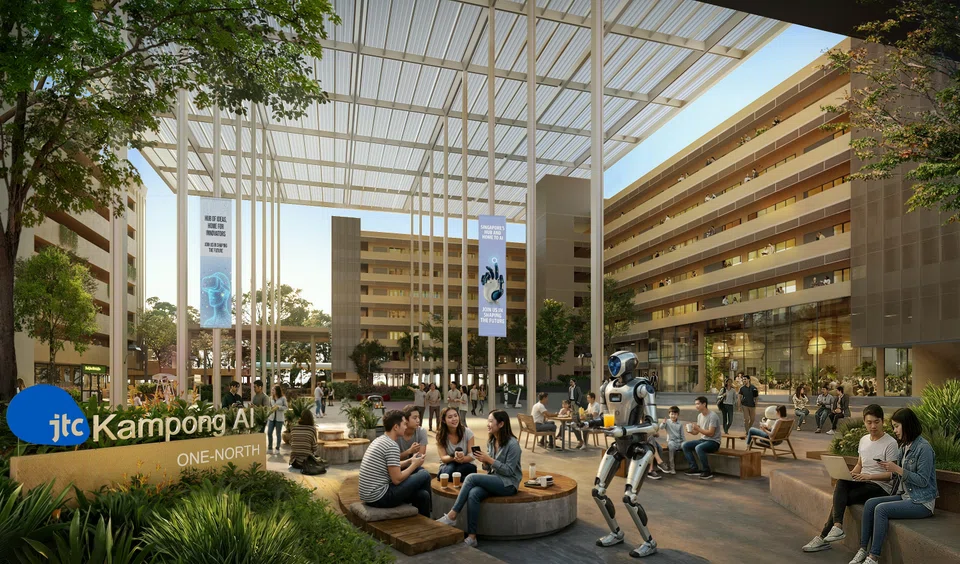
As Singapore doubles down on its next phase of innovation, including plans for an artificial intelligence-focused park, it is inevitable that LaunchPad @ one-north will not be the same as it was before.
The next iteration of it may be more structured and more technologically advanced – a reflection of a startup ecosystem that is growing up.
Amendment note: The story has been edited to clarify that corporates are working with startups to solve real world problems.
Decoding Asia newsletter: your guide to navigating Asia in a new global order. Sign up here to get Decoding Asia newsletter. Delivered to your inbox. Free.
Copyright SPH Media. All rights reserved.

