

Middle East oil flows of around 14 million barrels a day help avert US$200-a-barrel oil: Vitol CEO
The global oil market had proven fairly resilient to various disruptions this year, Hardy said
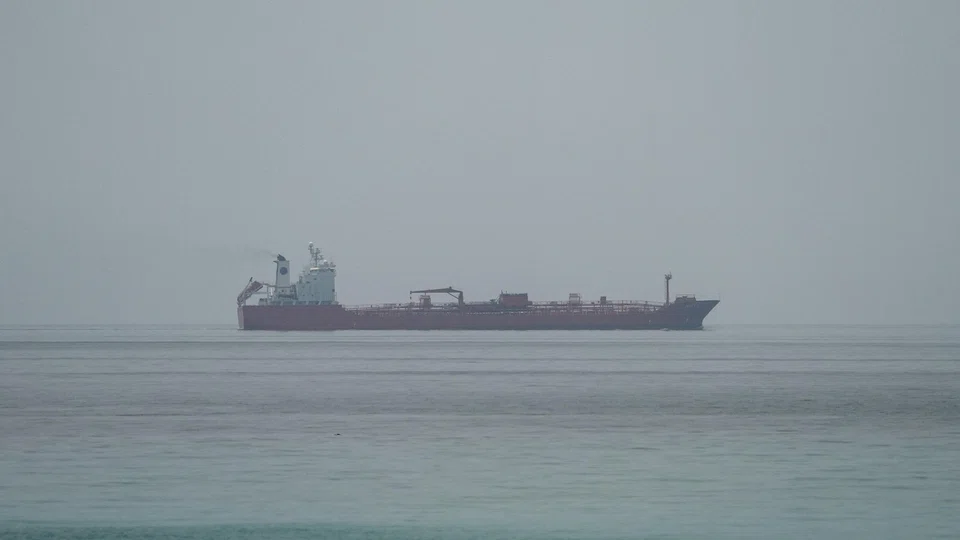
[LONDON] Around 12 million barrels per day of crude oil and 2 million bpd of refined products — volumes needed to dampen price pressure — have left the Middle East on tankers in the last 7 to 10 days, commodities trading giant Vitol’s CEO said on Tuesday (Oct 6).
With inventories in the West largely drained, that flow of 10 million to 14 million bpd is helping to keep energy markets in balance going into winter, Russell Hardy told the Energy Intelligence Forum in London.
“Without it, you do have that US$200 per barrel scenario, so it’s pretty important that it continues,” he said.
The global oil market had proven fairly resilient to the pile-up of disruptions this year, which started as a crude oil crisis, then became a products crisis, and has now become a shipping crisis, he said.
“We’ve had pretty parabolic pricing on shipping, which is creating a lot of stress for everybody, because nobody really knows to the nearest US$2 to US$4 per barrel how much their shipping costs are going to be,” he said.
China had been a “lung” for the oil market in May and June, he added, as it was able to use oil stocks to run its system. But developing nations in the rest of Asia struggled, because they did not have a buffer and their supply chains are closely linked to the Middle East.
Fuel tightness to roll into winter
Tightness in refined products markets will roll forward into the winter, Hardy said.
“The world is still short of refining capacity, principally because of the hits on Russian infrastructure and the loss of five months of refining runs in the Middle East,” he said.
Last week, the G7 agreed on a coordinated release of 100 million barrels of crude and diesel from strategic reserves via the International Energy Agency to help alleviate tightness after the US threatened an export ban.
The release of diesel will provide some relief to the market in Europe, Hardy said, but clarity on the volumes of crude and diesel and where they will come from was still needed.
“We have a price effect and a very difficult market, but nobody’s not had diesel at the pump in Europe,” he said. “So governments are trying to balance in this instance Trump, the IEA, the needs of their consumers, and the strategic nature of those stocks.”
Brent crude futures were trading around US$98 per barrel on Tuesday, while European benchmark diesel futures’ premium to crude futures was around US$70 per barrel. REUTERS
Decoding Asia newsletter: your guide to navigating Asia in a new global order. Sign up here to get Decoding Asia newsletter. Delivered to your inbox. Free.
Share with us your feedback on BT's products and services
TRENDING NOW
8 public officers referred to police over property buys near unannounced MRT stations: Chan Chun Sing

Retrenched PMETs who return on lower pay see median 25% wage cut

Grab CEO’s wife Chloe Tong on life with Anthony Tan and finding her purpose

Vietnam’s northern provinces, not Hanoi or Ho Chi Minh City, are powering near 10% GDP growth

