Replenishing crude, fuel supplies could take two years: Saudi Aramco CEO
A billion barrels of oil has been released from stocks so far
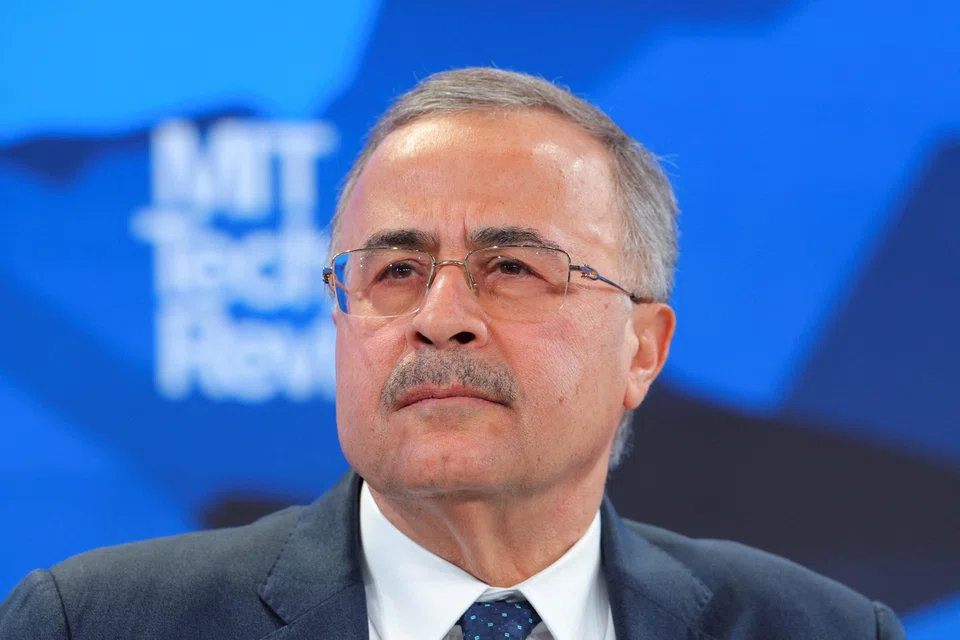
THE oil stockpiles that cushion the world from supply shocks have become “scarily thin,” putting markets at risk of worsening unless the Strait of Hormuz reopens, according to the head of Saudi Arabia’s state producer.
The head of the world’s single biggest crude exporting company was speaking just days after governments in the world’s biggest economies announced plans to release as much as 100 million barrels of emergency oil and diesel stocks to ease rising fuel costs.
“Until Hormuz fully re-opens and confidence returns, the crude reality is that pressure at both ends of the barrel will intensify,” Amin Nasser, chief executive of Saudi Aramco, said at the Energy Intelligence Forum in London on Monday (Oct 5). “While the squeeze on crude is serious, refined fuel prices have risen even more sharply.”
Consumption of crude is still rising and countries will require even more supply for at least the next two years while rebuilding their inventories, Nasser said. That could mean additional demand of at least 2 million barrels a day, or even more if governments decide to increase the amount of oil they hold in stockpiles, he said.
When the US-Iran war began, the world had about 10 billion barrels of oil stocks, Nasser said. That has fallen to less than 6 billion, about 10 per cent of which is practically available due to various technical restrictions, he said.
Releasing part of what’s left in global stockpiles will buy economies some time but won’t fix the imbalances between supply and demand, Nasser said. Gulf producers are working to ramp up production and exports and have succeeded in boosting crude flows to near prewar levels.
Saudi Arabia and neighbours like the United Arab Emirates and Kuwait have been using their own tankers to ship crude through Hormuz, which has been at least partly obstructed since the US and Israel attacked Iran at the end of February, kicking off a regional war.
The higher flows have provided scant relief for oil markets, which are still pricing in security risks to supply in the Persian Gulf and Red Sea.
Brent crude, the international benchmark, has traded around US$100 a barrel over the past month, even as more tankers transited Hormuz. Those vessels have had to run the risk of heightened attacks, while Saudi Arabia has been repeatedly targeted over the last month.


Still, all of Aramco’s upstream capacity remains intact, Nasser said. That has allowed the company to continue covering its supply contracts with buyers in Europe and Asia.
The company has used various export routes, shifted supply between its different crude grades and pressed its own tankers into operation to supply customers, he said.
Over the past month, Aramco boosted crude shipments from its main export terminal at Ras Tanura in the Persian Gulf. The company reacted quickly to a temporary halt to its main cross-country pipeline after an attack last month, and has since brought flows back to about 80% of capacity.
Aramco is looking for alternative crude export routes to avoid relying too much on any single method of reaching global buyers, Nasser said, without providing specifics. The company is studying plans that would double or triple the capacity of its storage facilities, he said. BLOOMBERG
Decoding Asia newsletter: your guide to navigating Asia in a new global order. Sign up here to get Decoding Asia newsletter. Delivered to your inbox. Free.
Share with us your feedback on BT's products and services