

Nvidia customers face AI server price hikes of more than 15% as memory costs soar
Nvidia is able to charge tens of thousands of dollars per chip because supply still cannot meet runaway demand
 Add BT as a preferred source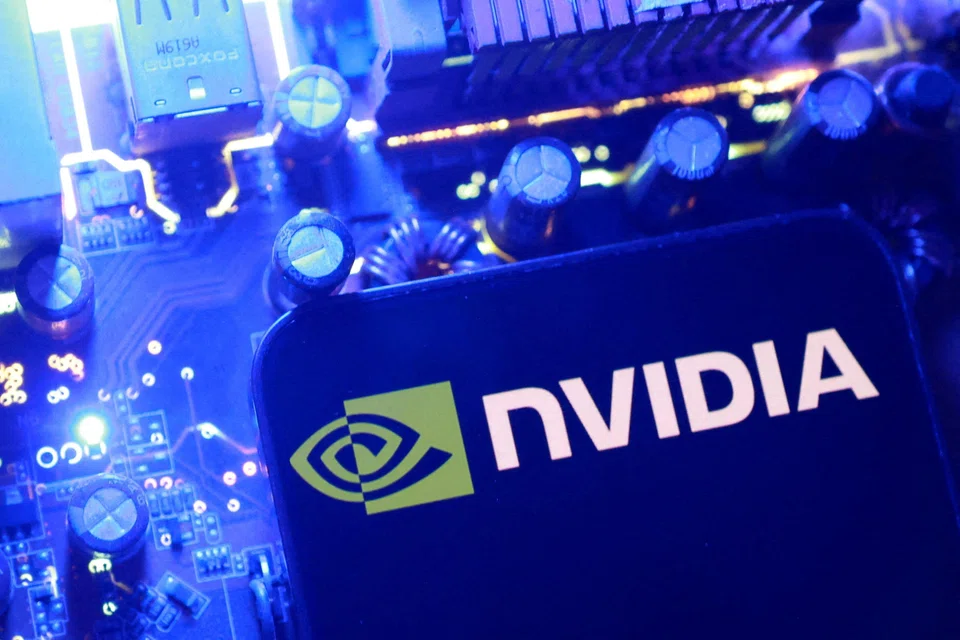
SOME OF Nvidia’s biggest customers have been told that the prices of servers containing its artificial intelligence chips are going up more than 15 per cent in many cases with memory chip costs soaring.
The price hikes will go into effect on systems shipped early in 2027 and will impact systems including those with the flagship Vera Rubin and Grace Blackwell chips, according to people familiar with the process, who asked to not to be identified commenting on communications that have not yet been made public. The increases will depend on the generation of Nvidia chips and the memory configurations, they said.
Companies who build the servers under contract for large data centre operators such as Microsoft, Alphabet’s Google and Oracle have recently notified their customers of the forthcoming increases, the people said. Nvidia representatives did not respond to requests for comment.
The inability of the industry’s most dominant company to hold the line on prices or absorb growing costs shows how much leverage makers of memory chips – Samsung Electronics, SK Hynix and Micron Technology - have amid a surge in demand for AI infrastructure. Major technology companies including Apple and Qualcomm have recently said they have been forced to charge more for their products because of chip shortages.
Nvidia’s accelerator processors are the heart of computers that create and run AI software. Their effectiveness depends on how much dynamic random access memory, or DRAM, they are paired with.
The two South Korean companies and Micron account for most of the world’s production of that type of chip. While they have been increasing output, they still have not caught up with surging demand. That has driven the price of the commodity-like components up massively and given their manufacturers unprecedented influence in technology.
Nvidia is one of the most profitable companies in semiconductors. It is able to charge tens of thousands of dollars per chip because supply – from contract manufacturer Taiwan Semiconductor Manufacturing Co – still cannot meet runaway demand.
The company has a gross margin, or percentage of sales remaining after deducting the cost of production, of 75 per cent. Originally derived from PC gaming chips that sold for hundreds of dollars, AI accelerators have seen prices being driven up by incessant demand and, as yet, a dearth of viable alternatives for Nvidia’s offerings.
Nvidia has also raised prices for its gaming-oriented PC graphics cards, industry news site Tom’s Hardware reported earlier in August.
SEE ALSO



How Nvidia’s customers react to this latest move and whether it will create an opening for its competitors will likely depend on whether they are able to secure enough memory themselves.
Major customers like Amazon, Microsoft, Google and Meta are all pursuing their own in-house chip programmes, but are still dependent on purchases from Nvidia for their data centre build-outs. Their ability to push forward with greater independence will also depend on their access to supply from Samsung, SK Hynix and Micron.
The price increases are also likely to add complexity to the industry’s massive AI data centre build-out ambitions. Project delays, labour shortages, tightening capital markets and community resistance to developments have already complicated many plans.
Nvidia is reporting fiscal second-quarter earnings on Wednesday (Aug 26). The updates by the world’s most valuable publicly-traded company have become a key update for the technology industry and investors who have poured money into AI infrastructure on the promise that it will transform the economy. BLOOMBERG
Decoding Asia newsletter: your guide to navigating Asia in a new global order. Sign up here to get Decoding Asia newsletter. Delivered to your inbox. Free.
Share with us your feedback on BT's products and services
TRENDING NOW

National Day Rally: 8 things to know, from more childcare leave to higher BTO income ceiling

Stocks to watch: Mapletree Industrial Trust, OUE, OUE Healthcare

When every phone becomes a satellite phone, what happens to Asia’s telcos?

UltraGreen.ai’s big slump: Was it the Singapore market that failed the company, or vice versa?

