

Singapore listcos taking steps to unlock shareholder value rewarded with higher valuations: Fullerton fund manager
Companies have been encouraged to articulate growth plans and take steps to unlock shareholder value

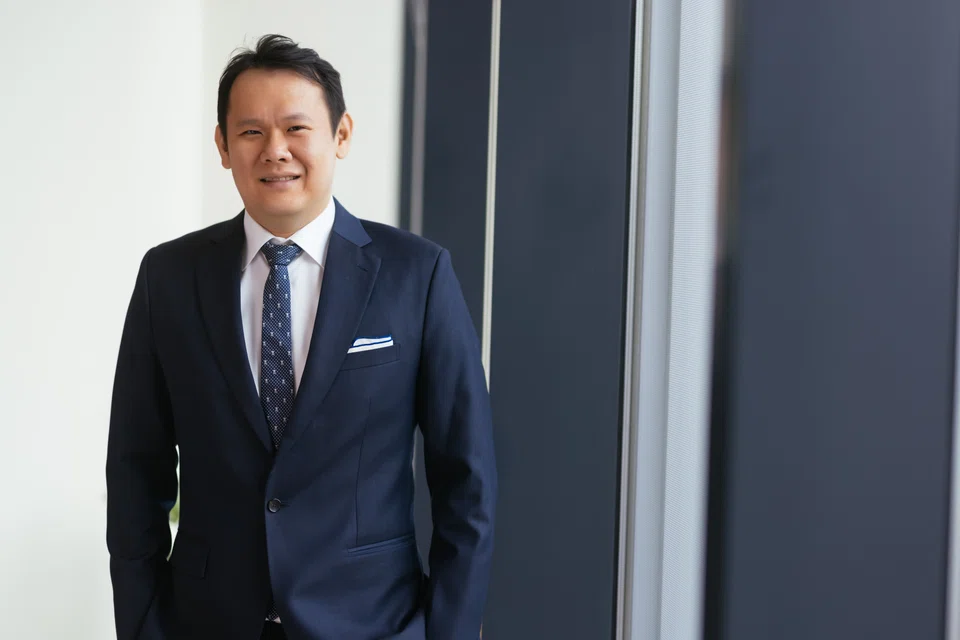
[SINGAPORE] Singapore-listed companies are becoming more open to engaging shareholders and reviewing their strategies, even as the broader small and mid-cap market faces renewed volatility, said Shawn Ang, portfolio manager at Fullerton Fund Management.
Government efforts to revitalise the local equities market have encouraged more companies to articulate their growth plans and take steps to unlock shareholder value. These efforts have, in turn, attracted greater investor interest and boosted valuations, particularly among smaller companies, Ang said.
However, he noted that the benefits have been uneven, with investors increasingly distinguishing between companies taking concrete steps to unlock value and those that have not.
“Not every mid-cap company has done well (since the launch of the Equity Market Development Programme, or EQDP),” Ang said in an interview with The Business Times.
“That’s really important because it means that companies that want to change and have a growth story of driving returns are actually being rewarded.”
The divergence comes as small and mid-cap stocks have generally underperformed their larger counterparts in recent months, following an earlier rally.
Against this backdrop, Fullerton has reduced its exposure to small- and mid-cap stocks since the fund’s launch, amid increased volatility in the third quarter of 2026.
Ang manages Fullerton’s Singapore Value-Up fund under the Monetary Authority of Singapore’s (MAS) EQDP. The fund invests in growth-oriented opportunities, or Singapore companies focused on return-on-equity or earnings growth. Since its launch in October 2025, the fund has grown more than three times to over S$1.1 billion.
Although the fund has no restrictions on the types of assets it can invest in, it aims to allocate 30 per cent of its net asset value to Singapore small- and mid-cap equities under the EQDP mandate.
Ang said that the fund’s structure gave it the flexibility to navigate the volatile stock market without worrying about the size of the company.
Focus on shareholder value
One notable development over the past year has been the growing willingness among listed companies to communicate with shareholders, hold investor days and undertake strategic reviews, Ang said.
Although some Singapore companies were already actively engaging with investors, MAS’ initiatives such as the EQDP and Value Unlock programme have spurred more of such activity in recent times, Ang noted.
“If I see someone else (drive shareholder value creation) and benefit from it, I have more willingness to do it,” he said.
“And because a company that wants to drive returns and growth is re-rated versus a company that does not, it means that there’s a clear differential growth multiple.”
At Fullerton, Ang said he works with companies by acting as a sounding board for discussions and providing the lens of institutional investors.
“As an institutional investor and a fund that is invested in Singapore for a long time, we understand what people are looking for,” he said. “(We want to focus) on getting and sharpening the messaging.”
Opportunities despite market volatility
Despite trimming the fund’s exposure to small- and mid-cap stocks, Ang remains optimistic about opportunities in the segment over the medium term.
He expects some companies to outperform once near-term market volatility subsides, although stock selection will remain critical.
Among the opportunities he favours are Singapore infrastructure plays, given the pipeline of construction projects over the next few years, including new MRT lines, Changi Airport Terminal 5 and the new Marina Bay Sands tower.
Another area of interest is what Ang calls “self help” companies: businesses with strong balance sheets that can reinvest surplus cash to drive growth.
“My preference is there is some investments in growth, but (they could look at) share buybacks, dividends, or divestment of non-core assets to focus on growth.”
As Singapore strengthens its position as a wealth hub, Ang also expects many beneficiaries.
“We think about the kinds of broad trends, and what is happening to companies that will benefit from these trends,” he said. “But it is not every company – we have been selective on companies that want to focus on valuations,” he added.
Overall, Ang remains positive on Singapore’s outlook, citing strong economic growth, resilient corporate earnings, contained inflation and policy support.
Earnings growth and fundamentals remain strong, although Ang is monitoring risks arising from volatile global macroeconomic conditions.
As more companies focus on shareholder value creation, Ang expects the fund’s investable universe to expand and its allocation to mid-cap stocks to increase. However, he cautioned that this would take time.
“You plant a seed; the seed has to sprout, then become a seedling, then become a tree – it’s a process, it’s a journey, and it takes time.”
TRENDING NOW
Share buybacks surge as 35 companies repurchase shares

BN-PN’s Melaka election landslide puts spotlight on jobs, investments and political divides

As Indonesia picks new vice-president to succeed Gibran, investors see risks and opportunities

Could Jensen Huang work for Elon Musk? It would be ‘a titanic ego death match’, says biographer

