The S$6.5 billion mandate: How fund managers are shaking up Singapore equities
AR Capital’s blueprint differs from those of larger peers; Lion Global Investors scales up an established approach
 Add BT as a preferred source
[SINGAPORE] Behind closed doors recently, the portfolio managers at AR Capital sat down with the chief financial officer of an undervalued small-cap company.
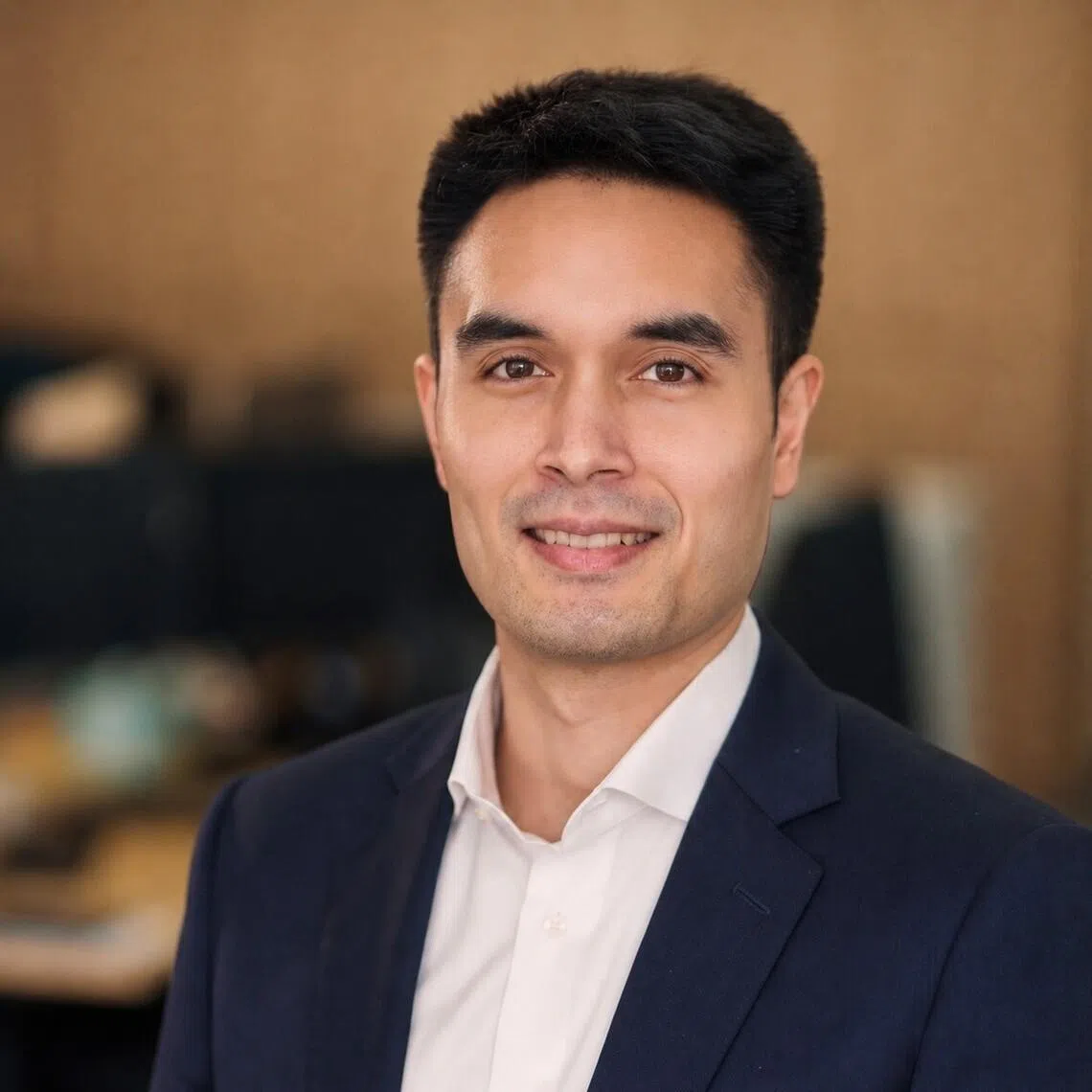
“They had the balance sheet to buy back shares, but they were just very conservative,” said Lam Min Hwui, an investment director at AR Capital and the lead analyst for the firm’s new AR Majulah SG Fund.
A week later, the board initiated the buyback.
That quiet, pragmatic intervention neatly sums up how fund managers under Singapore’s multibillion-dollar Equity Market Development Programme (EQDP) are reshaping the local market.
For far too long, Singapore’s small and mid-cap equities have languished as the forgotten stepchildren of the financial markets – starved of liquidity and largely ignored by global asset allocators.
Then came the state’s intervention.
Launched last year, EQDP started as a S$5 billion mandate designed to catalyse liquidity on the local bourse. As excitement built, the government in February this year expanded the war chest to S$6.5 billion.
The mechanics are straightforward. Rather than picking stocks directly, the state is channelling this capital through nine appointed asset managers, including Fullerton Fund Management, Lion Global Investors, Amova Asset Management and home-grown boutique AR Capital.
Their brief is distinct: Hunt down quality local companies, with a heavy tilt towards the under-researched small and mid-cap space, and crowd in third-party commercial capital alongside the state’s funds.

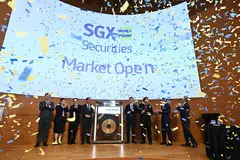

The results have been hard to ignore. The broader market has enjoyed a much-needed uplift, riding a wave of renewed optimism and foreign inflows.
Macquarie Equity Research has confirmed this shift, noting that EQDP “continues to have an impact on the stock market with higher and broadened stock liquidity”.
Specifically, market liquidity has climbed 24 per cent year on year in the fiscal year to May 8.
Crucially, the real action is happening beneath the headline index. Macquarie observed a positive broadening of liquidity away from the top 30 Straits Times Index components and into the smaller counters.
The analysts pointed out that latent potential in Singapore is heavily skewed towards these smaller firms.
For these companies, “unlocking excess capital through dividends, buybacks or restructuring represents the most direct pathway to (return on equity) uplift and valuation rerating”.
This state mandate has triggered a profound behavioural change.
Macquarie noted that the local exchange prefers a “carrot” to “stick” approach to encourage transparency.
Previously reclusive boards are suddenly engaging with investors, realising that active capital rewards transparency. The clear objective is to secure “improved corporate disclosures to drive better market liquidity and create a more vibrant stock market”.
Yet, as this capital is deployed, every fund manager is playing a different game.
From independent boutiques applying global benchmarks to institutional veterans riding a structural safe-haven wave, here is how two of the managers are executing their mandates on the ground.
AR Capital: Global benchmarks and AI margin expansion
Among the stalwarts chosen to deploy the EQDP capital, home-grown AR Capital is arguably the quietest operator.
Having managed institutional money away from the retail glare for 20 years, it offers a blueprint for reviving Singapore equities that is in sharp contrast with that of its larger peers.
Because the firm’s principals invest their own money alongside their clients’, there is a distinct focus on protecting and compounding capital.
To start, the firm views participation in EQDP as an opportunity to contribute its global expertise to the local ecosystem, rather than as a national service.
The mandate aims to breathe life into forgotten corners of the market, but AR Capital does not intend to buy smaller caps simply to tick a box.
Every investment must deliver a commercial outcome. The goal is to back companies that can compound earnings over the long term.
If a small-cap firm performs well and naturally graduates into a large-cap entity, the firm has zero intention of selling it simply because it outgrew an arbitrary categorisation.
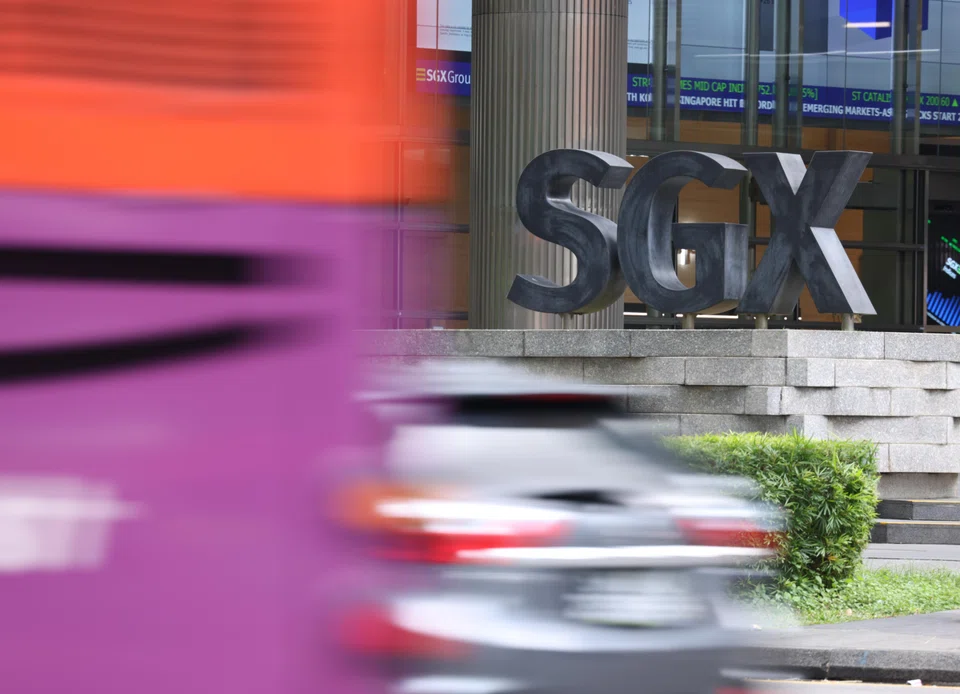
This commercial focus dictates its stock selection, which filters the Singapore Exchange (SGX) through a global matrix. Running an integrated team out of Singapore, AR Capital benchmarks local stocks against international value chains rather than domestic peers.
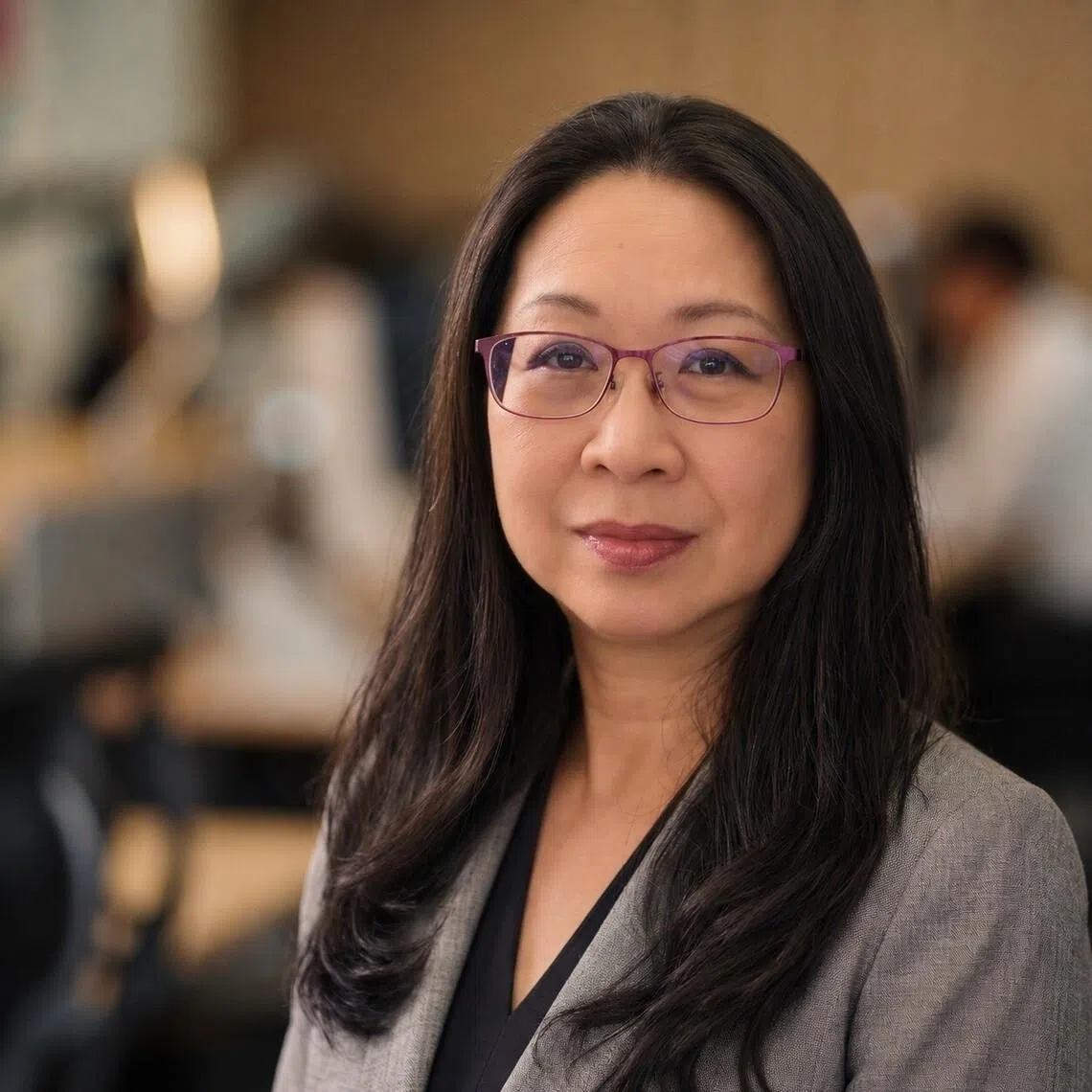
“Singapore is trying to encourage new listings which are more global,” said AR Capital’s executive director and portfolio manager Millicent Lai.
“They’re also in sectors such as technology, healthcare, advanced manufacturing (and artificial intelligence) infrastructure – things that we already look at globally,” she added. “So that’s one key thing that we bring to the table.”
Another key pillar of the firm’s strategy involves identifying what the team calls “heavy asset, low obsolescence” businesses.
Instead of fretting over how AI disrupts corporate business models, AR Capital identifies a clear opportunity for margin expansion.
Traditional sectors such as property, logistics and banking are surprisingly resilient. In a structurally tight Singapore labour market, applying AI to automate back-office functions and customer call centres strips out stubborn cost bases.
Rather than becoming an existential threat, the technology then becomes a tool to boost profitability.
Ultimately, the firm views the injection of government capital as a necessary catalyst.
For one thing, it is drawing reclusive, family-controlled boards out to meet investors.
Previously, many of these mid-caps ignored the market entirely, assuming their share prices would never move anyway. Now, the presence of active institutional capital has changed the calculus.
Peer pressure is doing the rest. When one company improves its disclosures and enjoys a valuation rerating, its competitors quickly take notice.
Then, there is the drive to encourage more companies to look at Singapore as a potential dual-listing destination, such as through a bridge between SGX and Nasdaq.
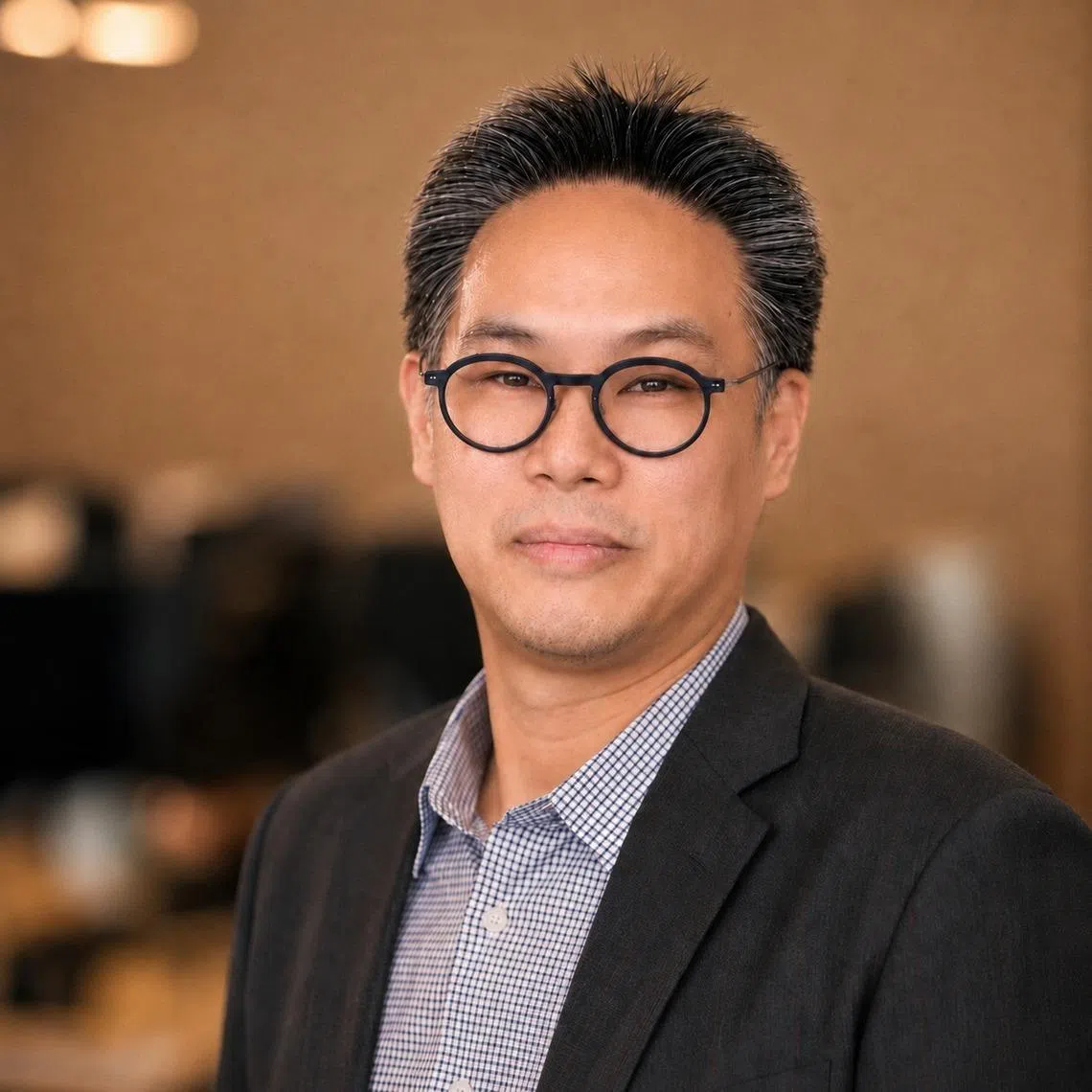
Merrill Tan, AR Capital’s executive director for research, has over the past year observed a “shift in the attitude” of companies considering Singapore as a dual-listing destination.
He said more and more companies have been won over by the relative strength of the Singapore market and the strong Singapore dollar, as well as the government’s efforts to sustain interest in the equities market.
“Last year, it was curiosity – ‘let’s find out a little bit more’,” he said. “The companies now are more serious. It’s no longer a question of ‘will I do it or not?’ But ‘let’s plan to get it done’.”
For AR Capital, the long-term success of the programme will be measured by exactly this sort of behavioural shift. The real victory is building a self-sustaining ecosystem, long after the state funds have been fully deployed.
Lion Global Investors: Survival of the fittest and the safe-haven play
While some asset managers are busy setting up fresh desks to capture the EQDP allocations, Lion Global Investors is simply scaling up what it has been doing for more than a decade.
The institutional manager braved the small and mid-cap space through a 12-year downturn in which retail interest slowly drained away.
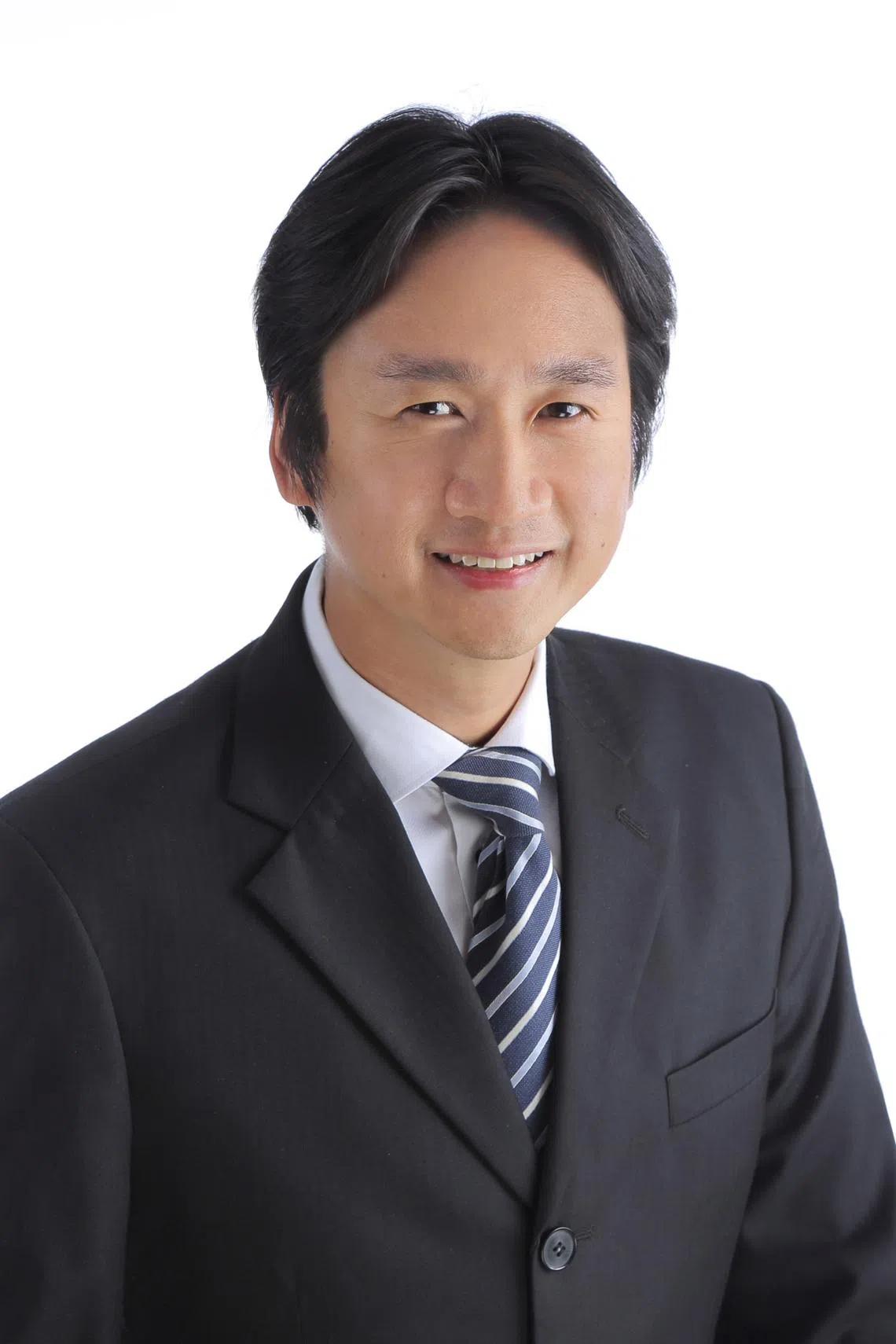
“Now, we’re at a generational turning point,” said Kenneth Ong, portfolio manager for Asian equities at Lion Global.
Unlike other appointed EQDP managers that have launched new funds, Lion Global will deploy its programme funding through its existing LionGlobal Singapore Trust Fund.
For Ong, the current mandate focuses on opening the taps rather than learning the ropes.
Lion Global, a member of the OCBC Group, previously capped its non-benchmark exposure to smaller companies at around 10 to 20 per cent. That figure has now risen to between 30 and 40 per cent.
The way Ong sees it, the local market is now much stronger than before – thanks to a long bear market that wiped out weaker players. The companies left standing are battle-hardened survivors.
As he has observed, these survivors were forced to aggressively control costs and trim their balance sheets to stay afloat.
Now, as macro conditions turn and projects resume – particularly in sectors such as construction, where government orders have been compressed into tighter timelines – these lean operations are capturing larger market shares.
“If you survived the past 12 years... chances are, you’ve gained market share as the industry consolidated,” he noted. When revenue finally recovers, operating leverage kicks in, providing a powerful earnings inflection.
“What we’re finding is that in the small-to-mid-cap space, the quality of companies has improved over time,” he added. “As earnings improve, the multiples also expand, so you get a double positive effect on the income and share price.”
He also argued that the market is missing a piece of the puzzle. The true catalyst for Singapore equities is a massive, structural shift of foreign capital treating the country as a top-tier global safe haven.
This shift began around late 2021, triggered by instability in Hong Kong and, later, the collapse of Credit Suisse. Capital flooded into Singapore’s large-cap banks, transforming them from traditional lenders into global wealth management accumulators.
Ong pointed out that the Republic’s total market capitalisation jumped from roughly S$865 billion in 2024 to S$1.1 trillion by end-2025. That massive liquidity injection dwarfs the EQDP capital.
“The liquidity actually comes from the amount of foreign interest coming in… that then creates that liquidity cycle that can eventually flow,” he said.
“I think that story is actually underappreciated in the Singapore market.”
The ultimate goal is to get global asset allocators to assign a fraction of their portfolios to this safe haven, buy into the large caps, and let that liquidity naturally trickle down into the mid-cap space.
This neutral-ground thesis shapes Lion Global’s view on attracting new listings.
In a multipolar world defined by geopolitical friction, Ong sees a clear opening for the local bourse. Technology and AI companies wanting to trade across borders need a staging ground free from the clash of superpowers.
When it comes to the recent push for better corporate governance, he takes a highly pragmatic stance.
He noted that new rules and disclosure guidelines are primarily useful for attracting foreign funds that lack local context.
For veteran managers who have tracked these boards for years, the reality is far simpler. They already know the character of the management teams.
Furthermore, Ong is of the view that companies will stop treating disclosures as a tedious box-ticking exercise when the stock market is vibrant enough to reward them for their transparency.
A functioning equity market, where multiples expand on good news, remains the only genuine incentive for better corporate behaviour.
Decoding Asia newsletter: your guide to navigating Asia in a new global order. Sign up here to get Decoding Asia newsletter. Delivered to your inbox. Free.
Copyright SPH Media. All rights reserved.