

Transport, agriculture most exposed to flood risk in South-east Asia: report
BMI study notes that more people in region will be affected as global warming accelerates and populations in vulnerable areas grow
 Add BT as a preferred source
DeeperDive is a beta AI feature. Refer to full articles for the facts.
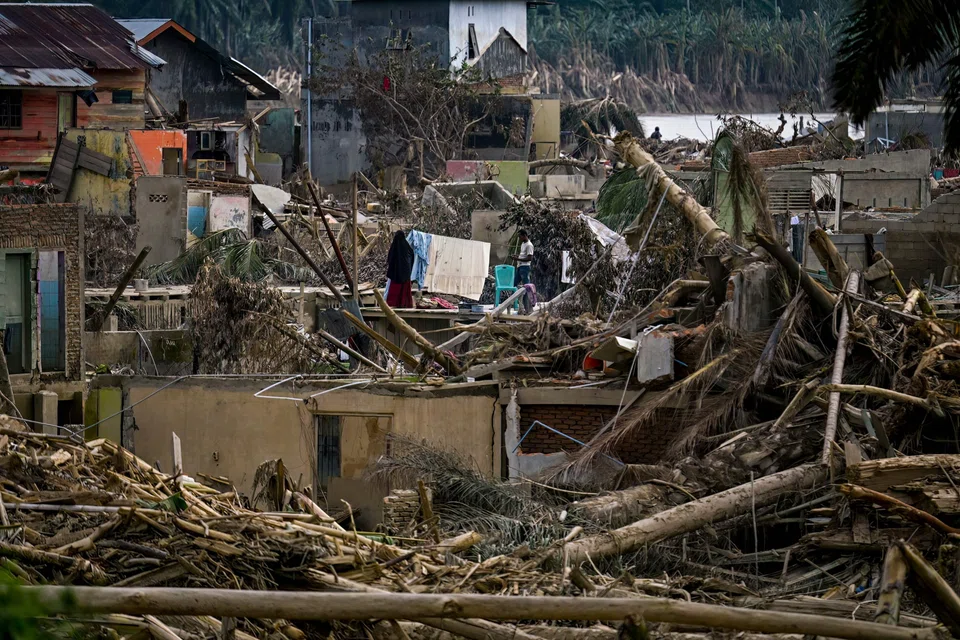
[SINGAPORE] In addition to the people living in flood-prone areas, the transport and agricultural sectors are the most exposed to flood risks in South-east Asia, said a recent report by research firm BMI.
Many airports, roads, and railways lie in or near areas that are frequently flooded, leading to disruption. This includes many tourist hubs, such as Indonesia’s international airports in Bali and Jakarta.
Croplands are also increasingly prone to flooding, with the impact exacerbated by deforestation, which leads to soil erosion and landslides.
“Exposure to (the flooding) of transport infrastructure and cropland will increase the most in the coming decades, further raising the risk of disruption and food-supply shocks,” read the report.
BMI also found that areas at risk of floods in South-east Asia are also where a significant portion of the region’s people live.
This includes around 20 per cent of the population in Indonesia and Malaysia each, as well as 15 per cent of that in Singapore, Vietnam and the Philippines each.
Navigate Asia in
a new global order
Get the insights delivered to your inbox.
This share will continue to rise as global warming accelerates and populations in vulnerable areas grow, stated the report.
It found that the share of population living in flood-prone areas has gone up in the period between 2020 and 2024, when compared to the period between 2013 and 2019.
The proportion increased by nearly four percentage points in Singapore, and one percentage point each in Malaysia and the Philippines.


“Compound disasters, where multiple disasters strike in close succession, will occur more frequently and inflict greater damage in the coming years,” it said.
While the report noted that Asia’s resilience to these disasters will continue to improve, it added that this would be from a low base and will not close the large gap that exists between the climate resilience of developed markets and emerging markets in the region.
Decoding Asia newsletter: your guide to navigating Asia in a new global order. Sign up here to get Decoding Asia newsletter. Delivered to your inbox. Free.
Copyright SPH Media. All rights reserved.
TRENDING NOW
‘Boring’ is the new black: The stars are aligning for a Singapore stock market revival
Near sell-out launches in March boost developer sales to 1,300 units after four slow months

China pips the US if Asean is forced to choose, but analysts warn against reading it like a sports result

Genting Singapore’s Lim Kok Thay receives S$7.5 million pay package for FY2025

