


Malaysia’s 10-year chip design goal is facing ‘ultimate test’: economy minister
The government is experimenting with new frameworks to help Malaysian firms move into chip design and higher-value activities
 Add BT as a preferred source
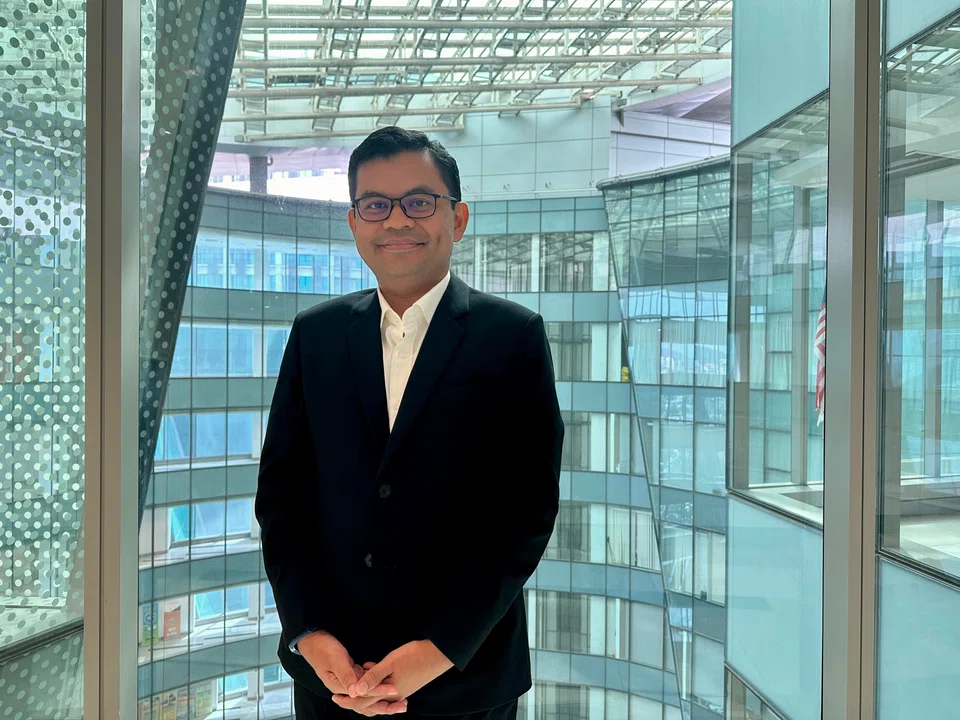
[KUALA LUMPUR] Malaysia is ranked sixth globally in semiconductor exports, but lacks the intellectual property to match this status. To bridge this gap, Economy Minister Akmal Nasrullah Mohd Nasir is leveraging the 13th Malaysia Plan (RMK-13) to pivot the semiconductor sector towards an ecosystem that is designed, made and built by Malaysians.
The industry must transition from low-value assembly to intellectual property creation to secure higher margins, said Akmal in an interview with The Business Times, ahead of the Malaysia Economic Forum on Thursday (Feb 5).
The nation’s ability to execute the 10-year plan led by RMK-13 – aimed at going beyond the current strengths in assembly, packaging and testing – is facing, in his own words, the “ultimate test”.
“The value starts with intellectual property... that is where the real margins are,” he remarked.
Under RMK-13, the government is experimenting with new frameworks to help Malaysian firms move into chip design and higher-value activities. These include arrangements that give companies access to global IP platforms, allowing chips to be designed and developed locally.
He noted that foreign firms are not excluded from the planning, but those that want access to these frameworks must establish a local presence and build Malaysian talent capabilities.
Navigate Asia in
a new global order
Get the insights delivered to your inbox.
RMK-13 as an execution stress test
That semiconductor push captures the broader philosophy Akmal is bringing to RMK-13.
Malaysia’s RM611 billion (S$197.8 billion) RMK-13 master plan aims for high-income status by 2030. Unveiled by Prime Minister Anwar Ibrahim in July last year, the 2026-2030 road map leverages artificial intelligence, semiconductors and green energy to drive national transformation.
Appointed economy minister in December, Akmal stepped into the role as Malaysia entered the first year of RMK-13 amid persistent global uncertainty and longstanding domestic constraints.
SEE ALSO
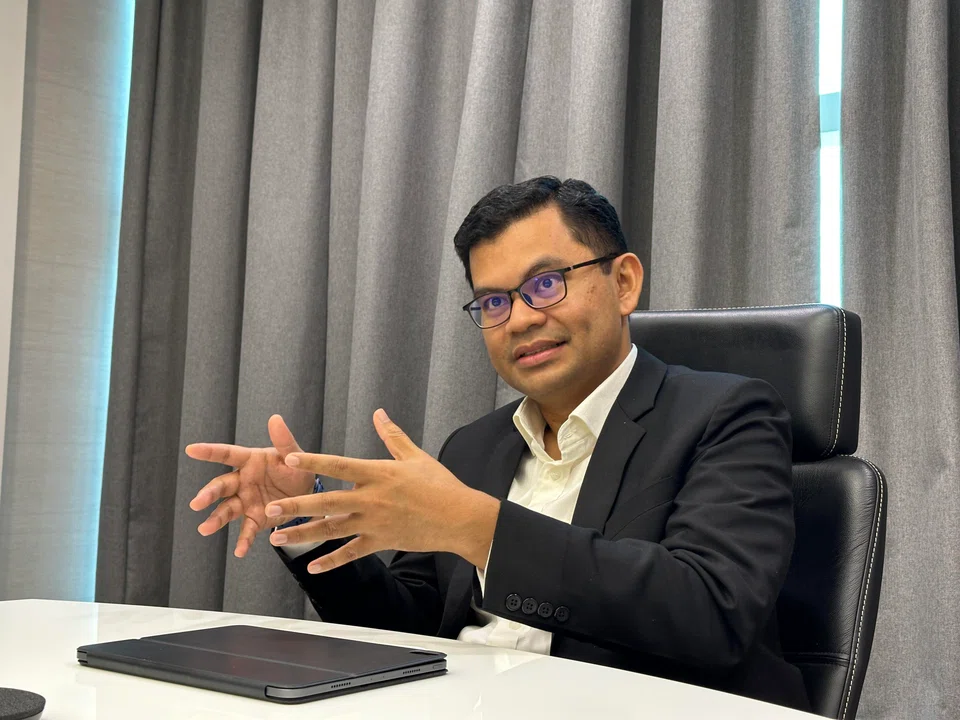

The 39-year-old economics and actuarial science graduate from the University of Wisconsin-Madison in the US is the second-youngest minister in Anwar’s Cabinet after a reshuffle on Dec 16.
He succeeded Rafizi Ramli, who resigned in 2025, inheriting both high expectations and a complex policy landscape. Yet, unlike some leadership transitions, Akmal has made continuity a central theme.
“This is not about undoing what came before… We are from the same government. The priority is to make sure good policies are delivered,” he stressed.
He acknowledged that such an approach is politically less visible than announcing new initiatives, but maintained that effective execution is an achievement in itself.
“Malaysia does not lack policy ideas… Executing well can be harder than announcing something new,” he said.
“Designing policy is not the hardest part,” he said, adding that the challenge is coordination, implementation and ensuring delivery from the very beginning.
Tracking real time
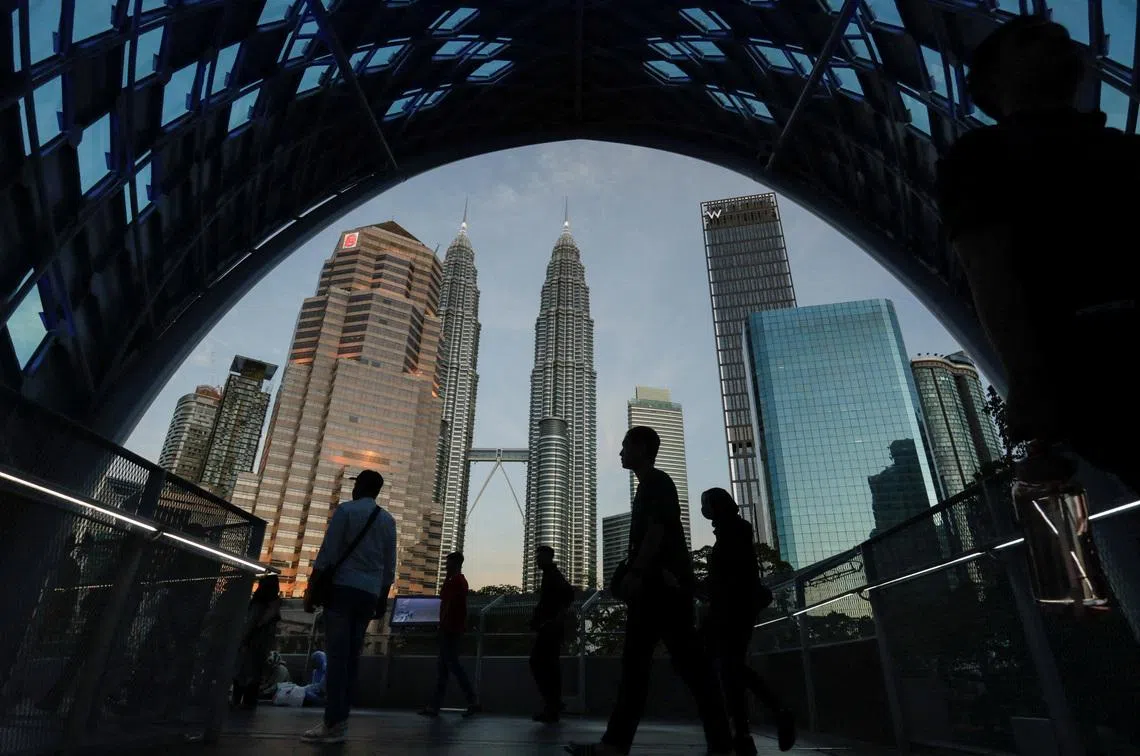
While the five-year plan sets headline targets – including an annual gross domestic product growth rate of 4 to 4.5 per cent and a gross national income per capita of RM77,200 by 2030 – he emphasised that its success hinges on real-time monitoring and the agility to make early adjustments.
Historically, performance tracking has come too late, when programmes are already off course. Under his watch, the Economy Ministry plans to roll out a digital monitoring system within the first 90 days of RMK-13, allowing projects to be tracked in near real time.
“If you only monitor at the end, you are too late. You need to track from day one,” he said.
That emphasis reflects Akmal’s technocratic background. Before moving to the Economy Ministry, he served as deputy minister for local government development and deputy minister for energy transition and water transformation – portfolios that required hands-on coordination across agencies.
“In the economy ministry, you cannot just understand one sector… You have to see how everything connects,” he added.
Youth and stagnant wage growth
The push up the value chain is closely tied to Akmal’s concern about wages and youth employment. Malaysia’s wage growth has lagged regional peers for years, despite improving educational attainment, leaving many young Malaysians drawn to gig work over traditional corporate careers.
“This is a structural issue that has been building for many years,” he added.
He noted that RMK-13 tackles this not just through job creation, but also by enhancing job quality. A key goal is cutting reliance on low-skilled foreign labour – from 15 to 10 per cent of the workforce – to force firms towards higher productivity instead of cheap labour.
“This will not be easy as there will be resistance ahead. But without productivity gains, wages will not rise sustainably,” he added.
Trade tensions and resilience
Global trade tensions sharpen the need for this shift. As a trade-dependent economy, Malaysia faces tariff shocks and supply-chain disruptions, including US-China frictions.
Akmal said the country’s neutral foreign policy offers strategic flexibility, but true resilience hinges on economic fundamentals. “There’s no shortcut. We must strengthen talent, innovation and productivity,” he noted.
Sustainability, energy and data centres
Akmal’s prior roles in energy transition and water transformation continue to shape his outlook, reinforcing his view that national growth must be “future-proof”.
He noted that the National Energy Transition Roadmap balances affordability, security and sustainability, targeting net zero by 2050. Regionally, Malaysia is pushing the Asean Power Grid to bolster cross-border energy resilience.
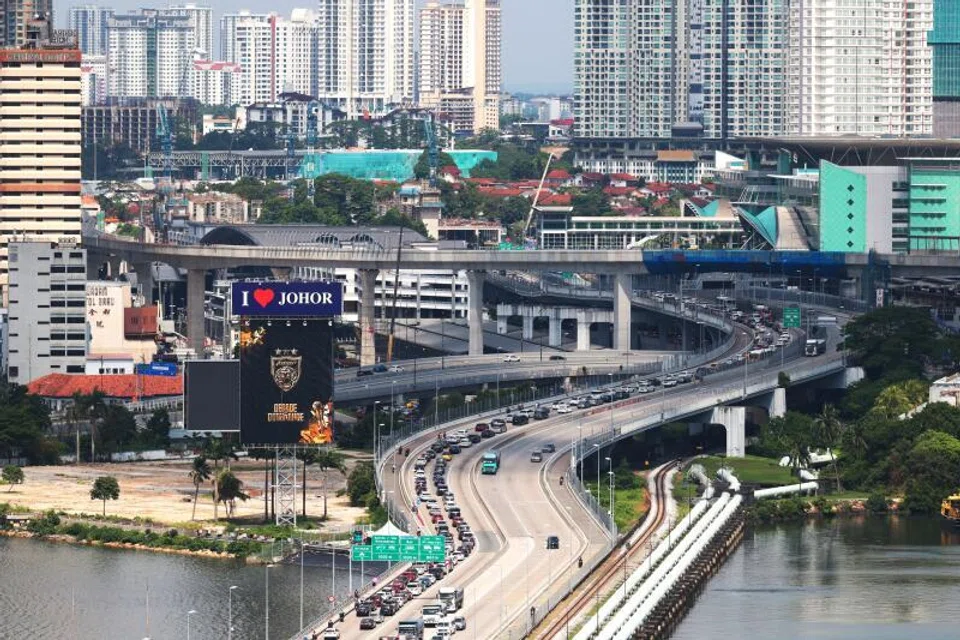
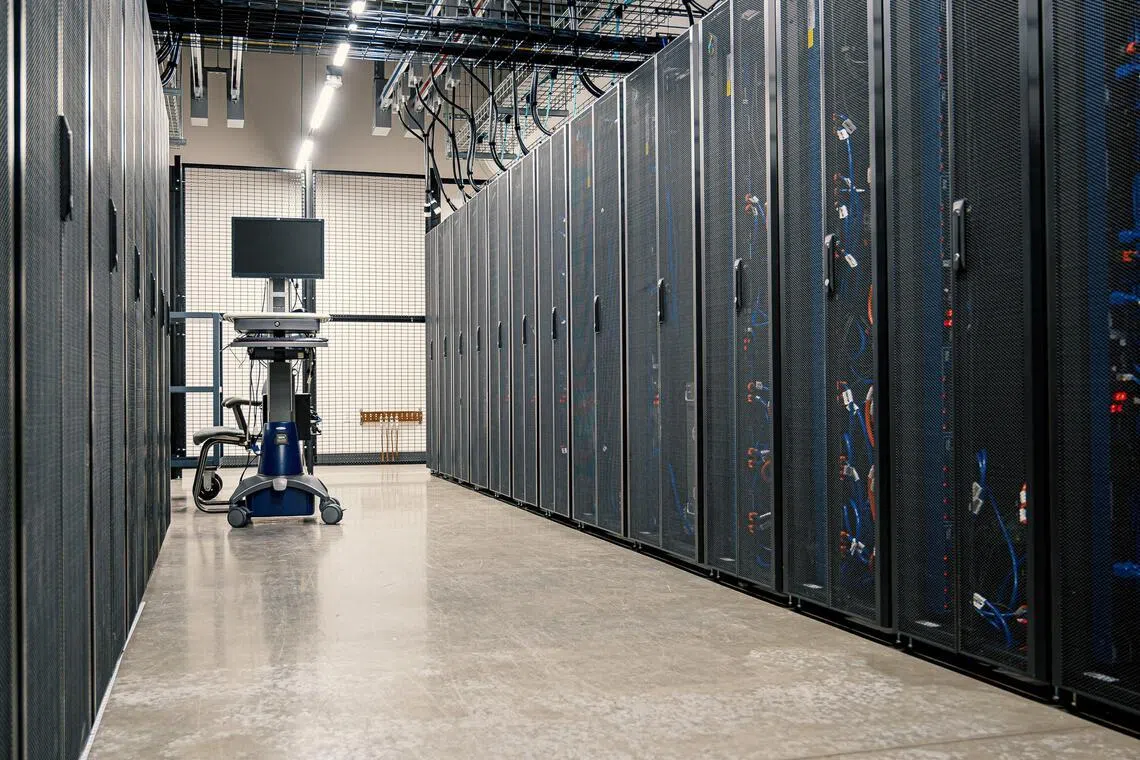
That challenge is sharpening as data centres proliferate – especially in Johor. These facilities have elevated Malaysia’s global digital profile, anchoring cloud services, AI and regional data infrastructure. Yet, they rank among the country’s most energy and water-intensive investments.
“The question isn’t whether we want data centres. It’s what kind we want,” Akmal said.
The government is shifting from a volume-driven approach. New guidelines tie incentives to energy efficiency, renewable usage and lower carbon intensity. Operators are now encouraged to source renewable power directly via third-party access, bypassing sole reliance on the grid.
Water concerns are equally urgent. Climate change has worsened floods, droughts and stress on supplies, revealing flaws in urban planning and resource management. Akmal argued that Malaysia can no longer view water infrastructure as a single-use utility.
“When planning reservoirs or drainage, we must consider the entire river basin, not just one site or function,” he stressed.
This mindset is reshaping industrial approvals. To ease pressure on treated water, pilot projects in Selangor and Johor now let data centres tap recycled or alternative sources through state-national joint ventures.
Still, it all hinges on execution. “Malaysia has never lacked plans. Delivery has been the struggle,” Akmal emphasised. “If we execute well – even without new policies – that’s success.”
Decoding Asia newsletter: your guide to navigating Asia in a new global order. Sign up here to get Decoding Asia newsletter. Delivered to your inbox. Free.
Copyright SPH Media. All rights reserved.

