Network School: Malaysia’s Forest City controversy explained
The Immigration Department’s ongoing probe has uncovered no evidence of participation by Israeli nationals
 Add BT as a preferred source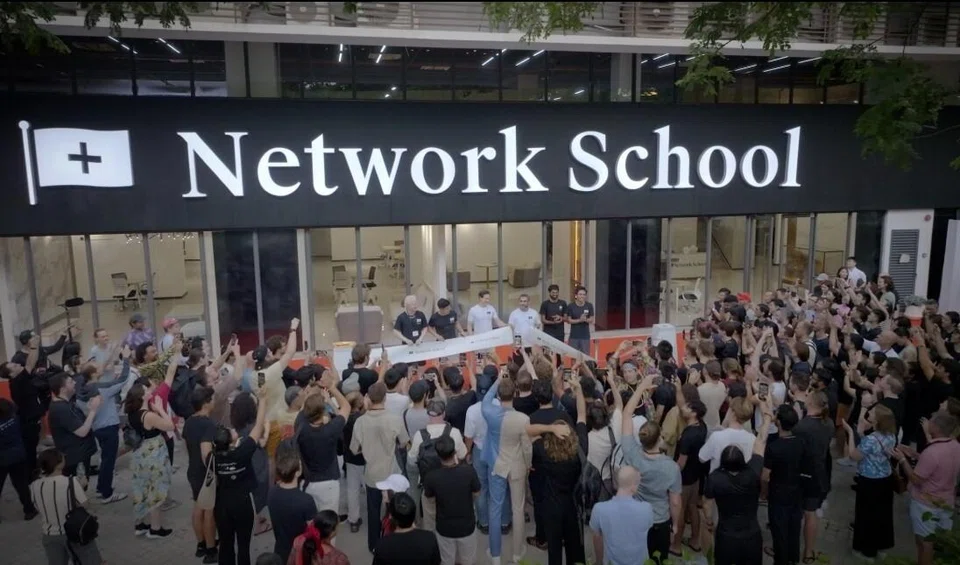
[JOHOR BAHRU] Malaysia risks losing what Network School founder Balaji Srinivasan has described as more than RM500 million (US$123 million) in planned investments.
This comes after an immigration inspection of the school’s Forest City campus prompted him to put further investments on hold pending assurances that a similar episode would not recur.
In a post on X on Thursday (Jul 16), Srinivasan said the organisation was prepared to sign a memorandum of understanding with the Malaysian government to comply with laws and respect the country’s sovereignty.
He is also seeking a meeting with the Prime Minister’s Office over the fate of the organisation in the country.
According to him, Network School has so far invested more than RM100 million in the project “to make it startup-friendly”.
The school arrived in Forest City promising to bring global technologists, startup founders and new energy to the struggling development.
What happened?
Videos circulating on Threads, alleging that Israeli nationals had participated in Network School using passports issued by other countries, triggered a federal investigation.
Malaysia’s Ministry of Home Affairs said it was looking into individuals associated with the school who had allegedly used secondary passports to enter the country.
Individuals may also have flouted immigration rules based on their entry visas, it added. Israeli passport holders are forbidden from entering Malaysia without permission from the Ministry of Home Affairs.


Prime Minister Anwar Ibrahim has said that any Israeli nationals found would be deported.
So far, the Immigration Department has said it has found no evidence that Israeli nationals were participating in Network School. The investigations are ongoing.
The department said on Friday that most of the foreigners inspected at Network School held social visit passes, while 10 – comprising US, Russian and Australian nationals – were on professional visit passes under the DE Rantau Nomad Pass programme.
The update followed a joint inspection of the school’s Forest City premises on Tuesday, during which 266 foreign nationals from 40 countries and two Malaysians were checked.
The Ministry of Home Affairs said it was examining the participants’ identities, travel documents, immigration passes and whether their stated purpose of entry matched their activities.
Only three months earlier, it was reported that Digital Minister Gobind Singh Deo had visited Network School and described Forest City in a social media post as an “emerging destination for global technology talent”.
The post was no longer accessible at press time.
The Digital Ministry did not respond by press time to a query from The Business Times on whether it or any agency under it had facilitated Network School’s establishment in Forest City or provided any form of government support.
Who is Balaji Srinivasan?
Srinivasan, 46, is an American entrepreneur and investor who was formerly Coinbase’s chief technology officer.
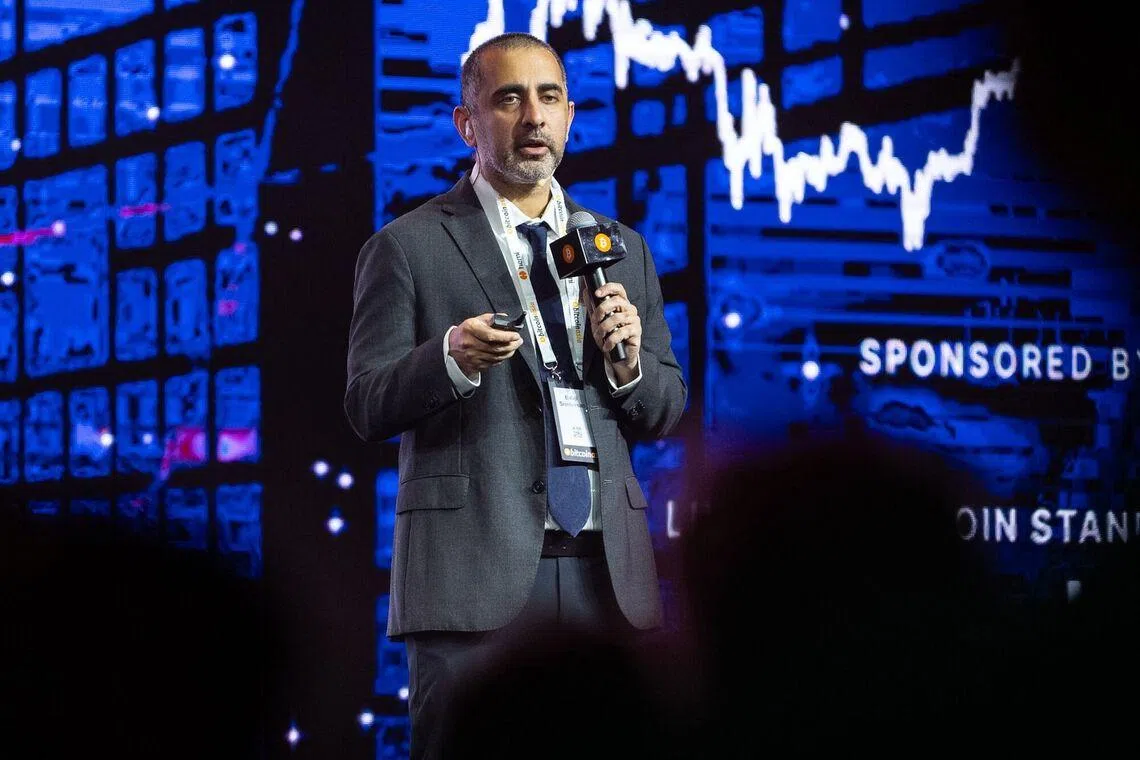
He was also a general partner at venture capital firm Andreessen Horowitz and has founded several technology startups, including Earn.com, which was acquired by Coinbase in 2018.
In his 2022 book, The Network State, he argued that Internet-based communities can establish physical territories and eventually seek political recognition.
What is Network School?
Network School describes itself as a residential “startup society” in Forest City, with membership starting at US$1,500 a month.
It combines startup-building, lectures, fitness and networking. Nearly 400 participants, many of them entrepreneurs, had attended at the school by September 2025.

The Higher Education Ministry said that Network School was not registered as a private higher-education institution, and had no recorded collaboration with any public university or registered private higher-education institution.
The ministry understood that the organisation was to operate instead as a private residential community and co-working space for technology entrepreneurs, investors and digital practitioners.
Forest City said in a statement on Wednesday that it would cooperate fully with the authorities and take action if any legal, immigration or contractual breach was established.
Who approved and monitored the school?
Even with the Higher Education Ministry’s clarification, it remains unclear which government agency approved, supervises or regulates Network School’s broader operations.
BT has asked the Immigration Department about the types of passes used, whether any special facilitation was provided and the rules governing dual nationals.
Why might this matter?
Beyond the immediate investigations, the controversy has exposed regulatory grey areas surrounding new forms of tech communities that combine accommodation, startup incubation, education and international mobility.
Nasser Ismail, founder and lead analyst of JS-SEZ Monitor, told BT that the immigration controversy could create “regulatory contagion” if it prompted authorities to slow unrelated crypto, artificial intelligence and digital talent projects.
“Predictable enforcement strengthens investor confidence; broad or improvised restrictions weaken it,” he said.
“The larger reputational risk is not that Malaysia investigates. It is that investors cannot tell where the rules begin, which agency is responsible, or whether those rules may change under public pressure,” he added.
“Done properly, the Network School controversy can become the catalyst for a more investable regulatory model instead of a retreat from innovation.”
Decoding Asia newsletter: your guide to navigating Asia in a new global order. Sign up here to get Decoding Asia newsletter. Delivered to your inbox. Free.
Share with us your feedback on BT's products and services