

Burnham’s Europe plan still taking shape as Brexit rivals circle
Apparent blind siding of Burnham’s cabinet points to lack of a comprehensive strategy over Europe
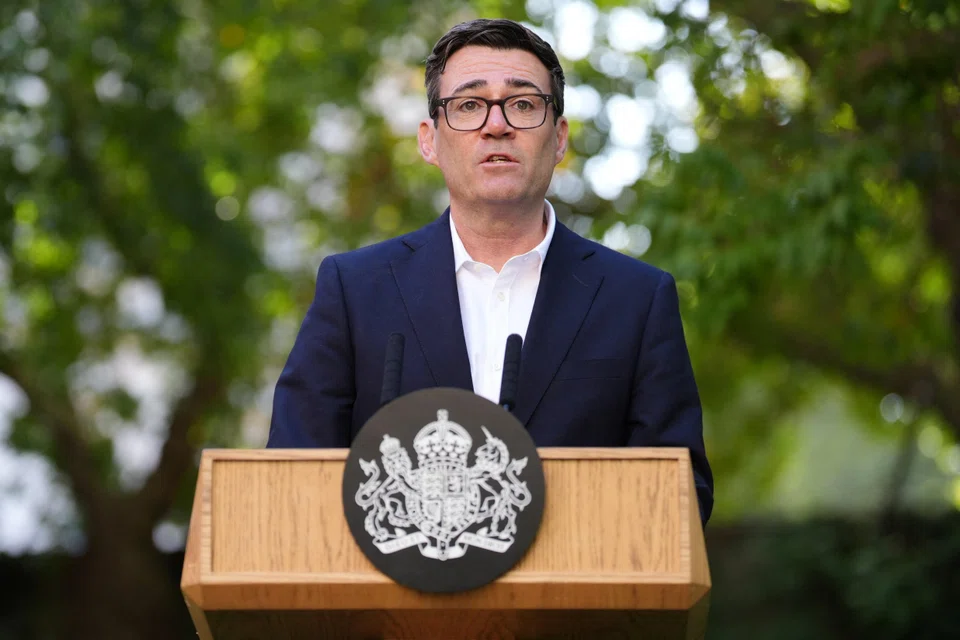
[LONDON] Britain could not rejoin the European Union without another referendum, Prime Minister Andy Burnham said this week – much to the surprise of his own ministers and government officials.
While high-level discussions about Europe had taken place, and many senior figures agreed that a referendum would be inevitable in the circumstances, people familiar with the matter said they were not under the impression a final decision had been made until the PM announced it in the House of Commons.
This apparent blind siding of Burnham’s cabinet points to lack of a comprehensive strategy over Europe, critics said, just as the ruling Labour Party comes under attack from a remobilised and reinvigorated pro-Brexit movement.
Veterans of the 2016 Vote Leave campaign have recently launched new pressure groups called Stay Out and Keep Britain Out, while Burnham’s EU summit gave Nigel Farage the chance to return to Brussels and accuse the PM of betraying the referendum of a decade ago.
To be sure, Burnham has not yet taken a hit from his public flirtation with Europe. Opinion polls showed diminishing support for Brexit and Downing Street officials point to internal data suggesting almost three-quarters of voters would back a closer relationship with the bloc if it was good for the economy.
“Public negativity towards Brexit does appear strong at the moment, and therefore it is understandable on a surface why reopening elements of the Brexit debate appears low risk,” said Chris Hopkins, political director at polling firm Savanta.

“But public opinion is also fickle and there is a very real danger that raising the prominence of it could reignite the strength of feeling that led to the Brexit vote, rather than continuing on the current path.”
Since replacing Keir Starmer in July, Burnham has kept an open mind about Brexit and for now is content to pursue closer trade ties. While appearing pragmatic, there is disappointment among some Labour MPs at a lack of clear direction from the government and failure to mobilise an effective “rejoin” movement.
Without a clear decision about what comes next, they fear, the PM risks starting an almighty political fight before he has mobilised an army.

Burnham “has left the way open for the ‘Leave’ side or ‘Remain Out’ side to get very organised”, said Anand Menon, director of the UK in a Changing Europe think tank. “There’s no real leadership from Downing Street on the other side, so there’s a bit of a vacuum.”
Menon added that Labour was also opening itself up for attacks from explicitly pro-EU parties. “If the manifesto says something wishy-washy-like ‘we will continue to remove trade barriers with the EU’, I think all those progressive parties, whether it’s the SNP or Plaid or the Greens or the Lib Dems, will hammer them for being all talk and no trousers.”
The situation is complicated by the lack of a single view among senior figures and ministers as to how Burnham should proceed. Some believe rejoining is the only viable option and are frustrated at the lack of campaign mobilisation. Others are optimistic that the EU would be open to a bespoke deal with the UK to suit its needs.
In Burnham’s team, there are also those – including current and former ministers – who believe the UK should continue on its path of becoming incrementally closer to the EU through a series of deals. Those shying away from a push for full rejoin are uneasy about handing the Conservatives and Farage’s Reform UK party an easy route back.
The silver lining for Burnham may come in the form of similar splits among the pro-Brexit right.
Burnham has “chucked a grenade into the Tory Party,” said Tim Bale, professor of politics at Queen Mary University of London, arguing that the bigger challenge still lies with Reform and the Tories, rather than Labour.
The issue has drawn out Conservative Party leader Kemi Badenoch and forced her to defend the existing Brexit deal negotiated by the Tories when in power.
“Clearly, Badenoch’s not happy talking about this,” Bale added, “and a bunch of former incredibly unsuccessful and unpopular Tory prime ministers coming out against it isn’t going to be a problem for him either.”
Two people close to Reform said Burnham’s talk of rejoining the EU was a win for them, and Farage had been reinvigorated on a return to his familiar campaigning territory, after months of scrutiny over his party’s finances.
But any hopes of a coordinated anti-EU campaign faded when Arron Banks, a long-time Brexiteer and ally of Farage, attacked the Tories and the Stay Out group when launching Keep Britain Out on Wednesday.
“Farage is making a mistake if he thinks getting the band back together and banging on about the EU is going to rescue him from the sticky situation he’s fallen into,” Bale said.
“I just don’t think it’s got the traction with the public that it had before. The problem is it puts him on the side of the status quo, rather than on the side of the insurgency.” BLOOMBERG
Decoding Asia newsletter: your guide to navigating Asia in a new global order. Sign up here to get Decoding Asia newsletter. Delivered to your inbox. Free.
Share with us your feedback on BT's products and services
TRENDING NOW

JPMorgan, BlackRock among those making bid to manage CPF savings
Asean’s biggest trade problem is no longer tariffs. It is friction

As Indonesia picks new vice-president to succeed Gibran, investors see risks and opportunities

US chips curb could slow down Asean data centre growth; Malaysia, Thailand at higher risk: analysts

