

China says US pledged to cap replacement tariffs at 20%
The Trump administration’s new tariffs come as the US president rebuilds a protectionist wall
 Add BT as a preferred source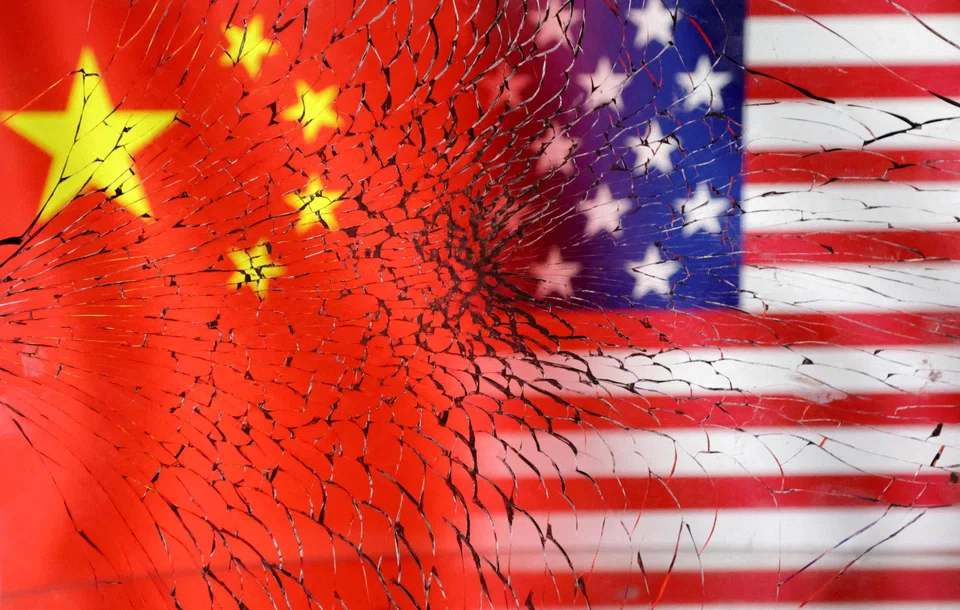
CHINA said the US had committed to cap replacement tariffs on Chinese goods at 20 per cent, staking out a limit on further increases after US President Donald Trump imposed a new levy.
The Commerce Ministry disclosed the commitment for the first time on Monday (Jul 27), saying that Washington had made it during bilateral trade talks.
By pointing out that the current replacement tariff is 12.5 per cent, Beijing appeared to signal that the US has 7.5 percentage points of room for additional increases before reaching the stated ceiling.
The Trump administration’s new tariffs came as the US president rebuilds a protectionist wall after the Supreme Court struck down his initial levies.
The duties are in line with tariff levels it had proposed in June on 60 trading partners, citing what it said were inadequate efforts to address forced labour. The new rates replace global duties of 10 per cent that expired on Jul 24.
The US has also previously initiated a separate probe into China, citing alleged overcapacity issues in its manufacturing sector. The outcome of that investigation could lead to a further increase in levies.
For its part, China’s retaliatory measures against the first round of US fentanyl and reciprocal tariffs remain in effect, it said in the statement.
The ministry also criticised Washington for imposing tariffs due to forced labour concerns, with Beijing saying it had established a comprehensive legal framework to prevent and combat the practice.
“We will continue to closely monitor and fully assess subsequent US measures, and reserve the right to take all necessary measures,” the ministry said.
SEE ALSO
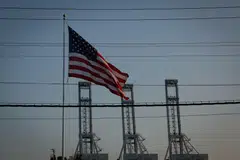
It urged the US to correct its “erroneous practices”, remove unilateral tariffs and continue resolving differences through dialogue.
China said that the US had indicated the levies would replace duties imposed under the International Emergency Economic Powers Act and Section 122 import surcharges.
The immediate absence of countermeasures indicates the easing of tensions continues and is thanks in large part to a truce in a tariff fight that at one point in 2025 saw US levies surge to as high as 145 per cent.
The one-year deal – unveiled at the summit between Trump and Chinese President Xi Jinping in South Korea and set to expire in November, unless extended – has led to a suspension of some tariffs, rare earth curbs and investigations into China’s shipbuilders.
Under the terms of an agreement reached in Malaysia in October 2025, the effective rate on Chinese imports into the US reached about 30 per cent and was later reduced after some levies were struck down by the Supreme Court.
In May, China signalled that it would accept some increase in US tariffs to the level negotiated in 2025 and would continue talks to extend the trade truce. BLOOMBERG
Decoding Asia newsletter: your guide to navigating Asia in a new global order. Sign up here to get Decoding Asia newsletter. Delivered to your inbox. Free.
Share with us your feedback on BT's products and services
TRENDING NOW
ABSD deadline extended to up to 7 years for developers of large en bloc sites to encourage reuse of land
15-month wait-out curb lifted for private property owners buying HDB resale flats

Mortgagee-sale listings hit six-year high in H1 2026 as financing conditions tighten

Knight Frank winds down real estate agency unit, agents to move to OrangeTee & Tie

