
In Dubai, the world’s luxury brands face a wartime crisis
Sales in the Middle East will be cut in half in March amid a sharp drop in foreign visitors, a report finds
 Add BT as a preferred source
[DUBAI] Situated beneath the tallest building in the world, the Dubai Mall is usually a busy playground where the wealthy can purchase Rolex watches, Hermes handbags and Ferragamo shoes. They can even spend US$80,000 on a Faberge egg.
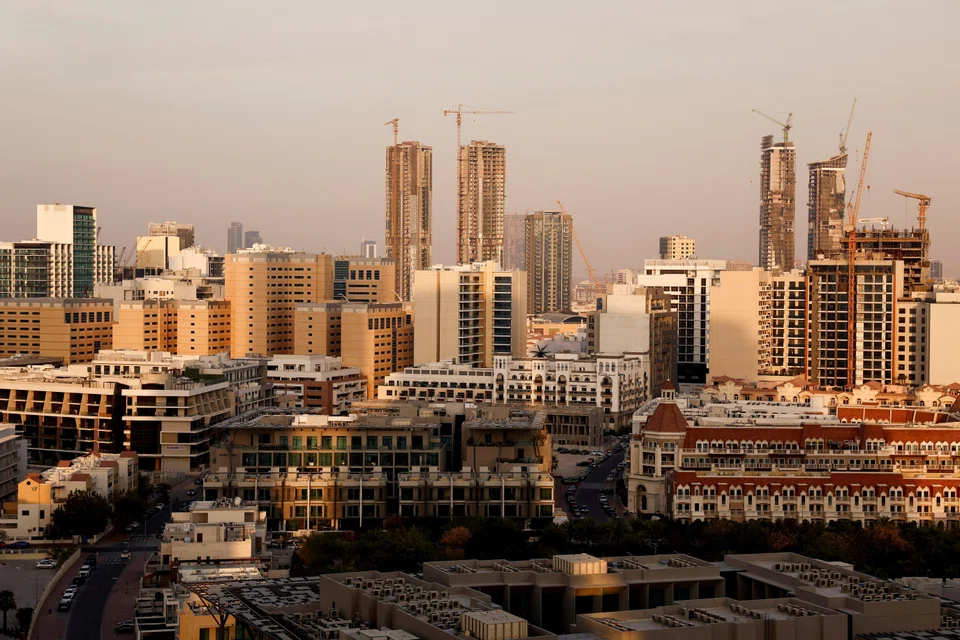
Dubai has emerged as the most powerful growth engine for retail in the region. Half of all luxury goods sales in the Middle East come from the United Arab Emirates (UAE), and most of those transactions occur in Dubai, according to estimates from Morgan Stanley.
But three weeks into the war between the US, Israel and Iran, there were few shoppers inside the sprawling mall at the base of the Burj Khalifa. Around midday, a trickle of residents carried Louis Vuitton shopping bags with new purchases, peering through store windows at dresses and high heels. Most shops were open but empty.
The attacks from Iran have removed some of the protective aura of Dubai, a city promoted for decades as a safe, luxurious, tax-friendly haven for the world’s elite in a turbulent region.
Drone strikes damaged Dubai International Airport and ignited a fire at the luxe Burj Al Arab hotel, where a suite can cost more than US$20,000 a night. Tourism stopped, and stranded travellers scrambled for ways to evacuate.
The war has created a crisis for luxury brands in Dubai. A report from Bernstein Research estimated that luxury sales in the Middle East will be cut in half in March because of a sharp drop in foreign visitors.
Navigate Asia in
a new global order
Get the insights delivered to your inbox.
“If the duration is limited, Dubai could go back to its former glory, and this is just going to be a dent,” said Luca Solca, an analyst at Bernstein based in Geneva. “If the war continues, then this would not be the case.”
Dubai’s shopping scene is dominated by two opulent centres: the Dubai Mall and Mall of the Emirates. They’re home to many top European fashion houses, such as Chanel, Gucci and Saint Laurent, and together welcome more than 140 million visitors each year.
Industry executives in Europe and the US said they worry that a prolonged war could jeopardise billions of dollars in sales of luxury goods, said people familiar with their thinking.
“We do not know what will happen, but we hope it will be short,” Andrea Guerra, the CEO of Prada, which has four fashion boutiques in Dubai, told investors on a conference call this month as Iranian attacks escalated across the Gulf nations, including in Bahrain, Kuwait and the UAE.
While the Middle East accounts for a small share of luxury sales around the world, strong spending in the region has buoyed the global luxury market as sales stagnated in Asia and Europe over the past couple of years. Chalhoub Group, a luxury distributor based in Dubai, declared last year that the sector was “unstoppable”, with sales in the Gulf region up 6 per cent at nearly US$13 billion in 2024.
Luxury conglomerates such as LVMH Moet Hennessy Louis Vuitton have spent years cultivating relationships in Dubai.
In 2014, Bernard Arnault, the company’s chairman and one of the richest people in the world, flew to the UAE for a reception with Dubai’s ruler, Mohammed bin Rashid Al Maktoum. Since then, LVMH has added more stores in Dubai’s malls and airport, and is set to open a Cheval Blanc resort on a nearby private island.
Brands were lured by wealthy residents willing to spend big on high-end items. A 2025 report from Visa showed that about one in every nine Dubai residents made at least one luxury retail purchase every three months – a greater share than those who live in New York, London, Paris or Singapore.
Tourists are also major spenders. The UAE has seen record growth in tourism in recent years, and the government has made infrastructure investments and a marketing push to attract more travellers. There was a 5 per cent rise in international overnight visitors in Dubai last year, nearly reaching 20 million.
Real estate developers are looking to build at least three new malls in Dubai in the coming years, including Dubai Square, an enormous indoor city set to open in 2028 at a cost of nearly US$50 billion. Futuristic plans involve an integrated transportation network and interior lanes for electric vehicles.
As Iranian strikes spread around the region this month, Emirati leaders visited the Dubai Mall in an effort to project calm as residents watched missile interceptions from their homes. A video posted by Dubai’s official media office showed UAE President Mohammed bin Zayed Al Nahyan and the crown prince of Dubai, Sheikh Hamdan bin Mohammed Al Maktoum, walking past stores and waving to workers.
For the few shoppers at the mall this week, there was a sense of normality amid the tumult. Rachel Duzan, an expatriate from Pakistan who runs an events company, wanted a Dior beach hat but was told that it wasn’t available because shipments into the country had been halted. She decided to buy a Jacquemus bag instead.
“I know I shouldn’t be shopping,” said Duzan, 36. “But I can’t help it.” NYTIMES
Decoding Asia newsletter: your guide to navigating Asia in a new global order. Sign up here to get Decoding Asia newsletter. Delivered to your inbox. Free.
Share with us your feedback on BT's products and services

