
Euro-area inflation slows to ECB goal, backing steady rates
Analysts believe the bank will keep rates unchanged in 2026, with risks skewed towards cuts than hikes in the first half
 Add BT as a preferred source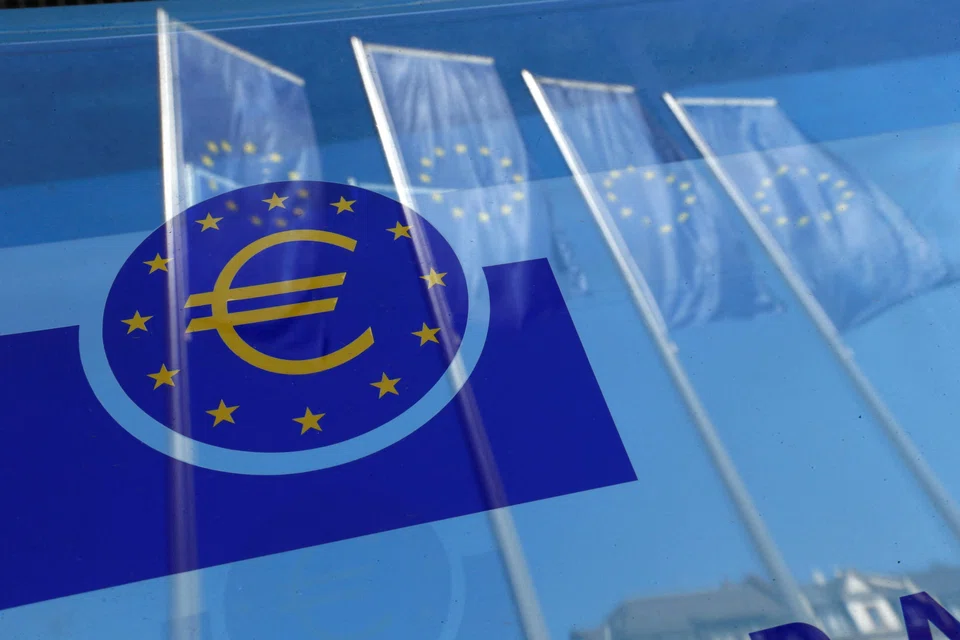
[FRANKFURT] Euro-area inflation eased to the European Central Bank’s (ECB) target, supporting the view of policymakers that interest rates can stay at current levels, unless the economic outlook changes significantly.
Consumer prices rose 2 per cent from a year earlier in December, down from 2.1 per cent in November and matching economists’ estimates. Core inflation, which strips out volatile food and energy costs, slowed to 2.3 per cent, while closely watched services inflation also eased.
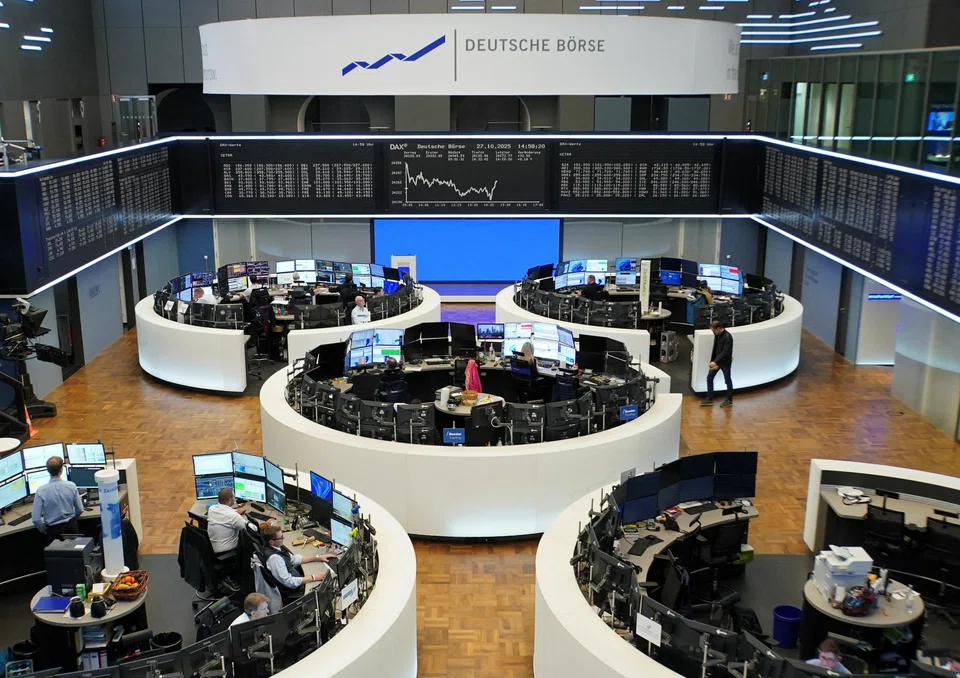
The price growth has been hovering around the 2 per cent goal for more than half a year, allowing the ECB to keep borrowing costs unchanged since June. Economists and investors do not envisage any further moves for the foreseeable future.
Traders added to wagers on monetary easing, pricing as much as five basis points of cuts until September this year.
That is equivalent to a 20 per cent chance of another quarter point cut. The euro erased an earlier drop, trading flat around US$1.169.
David Powell, senior euro-area economist at Bloomberg Economics, said: “The deceleration of euro-area inflation in December is good news for the ECB. However, it may have little to do with monetary policy – the drop was caused by energy costs, and probably by the volatile prices of airfares.”
Navigate Asia in
a new global order
Get the insights delivered to your inbox.
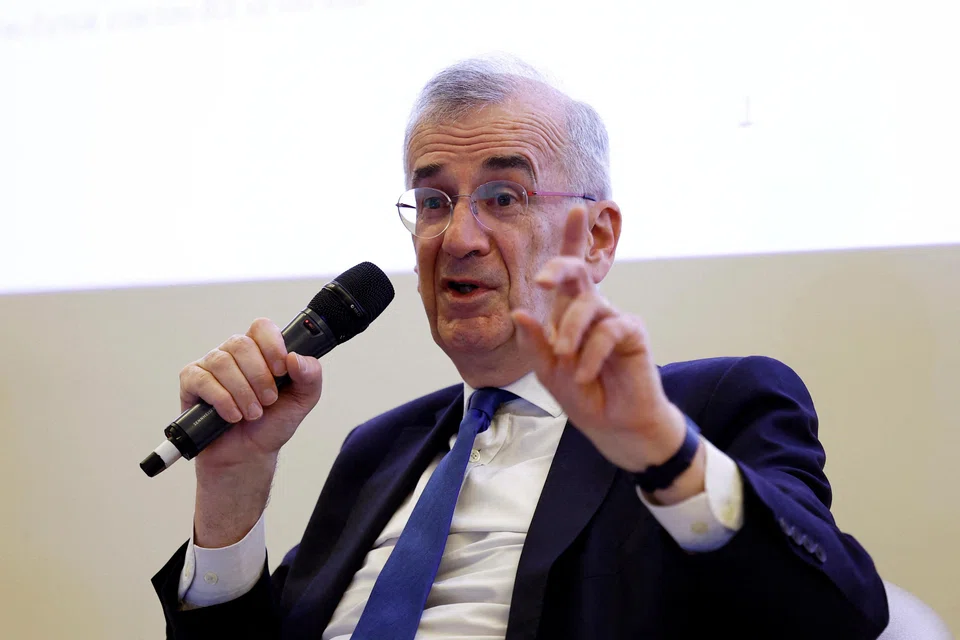
Most policymakers agree that inflation is under control. They have still been circumspect about the next steps, highlighting lingering uncertainty in the global economy.
“We stick to our long-held view that the ECB will keep rates unchanged in 2026, with risks skewed towards cuts rather than hikes for the first half, and towards hikes rather than cuts longer out,” Nordea analysts Anders Svendsen and Tuuli Koivu wrote in a note.
They added: “This is in line with market pricing, and today’s inflation print should not change much with regard to that view.”

At their final meeting of 2025, the ECB forecast that inflation will only drop marginally below its target this year, an upward revision compared to earlier forecasts, reflecting a slower easing in services costs.
The earlier reports showed consumer prices easing across the bloc, but continuing to grow at different speeds. While Spain revealed a drop to 3 per cent, inflation eased to 0.7 per cent in France and 2 per cent in Germany.
Services inflation has remained a sticking point for the ECB, as it nudged up partly due to surprisingly strong wage growth. The most comprehensive measure of pay gains held at 4 per cent in the third quarter, above the level considered to be in line with price stability.
President Christine Lagarde said last month that “there is a trend that we look at carefully”, though she expressed confidence that salaries should ease in the course of this year, after they largely caught up to the post-pandemic spike in prices.
Other factors that could pull inflation away from the target include the still-unfolding impact of US tariffs, the strong euro and fiscal expansion in Germany.
Under its baseline, the central bank sees inflation averaging 1.9 per cent in 2026, before a further decline and subsequent acceleration back to 2 per cent in 2028. BLOOMBERG
Decoding Asia newsletter: your guide to navigating Asia in a new global order. Sign up here to get Decoding Asia newsletter. Delivered to your inbox. Free.
Share with us your feedback on BT's products and services

