



Likely that 2026 will be the hottest year on record, experts say
“El Nino is a giant hammer that the climate gets hit with,” Berkeley Earth scientist Zeke Hausfather said
 Add BT as a preferred source
AN UNUSUALLY powerful El Nino is raising the odds that 2026 will surpass 2024 as the world’s hottest year on record, and regardless, 2027 is expected to set a new high, according to a monthly analysis of global weather data by Berkeley Earth, a nonprofit research group.
“We are likely to see something quite dramatic in the next year or so,” Robert Rohde, chief scientist at Berkeley Earth, said on Thursday (Aug 13). “It will be giving us weather conditions that we would normally expect to be a decade or more away. It’s going to be a big deal.”
El Nino, a months-long recurring weather phase, brings powerful consequences for the globe — drying out some regions, like Western and Southern Africa, Australia and India, while potentially raising rainfall in others, such as the southern US.
Scientists gauge the strength of an El Nino from sea-surface temperatures in a specific region of the Eastern tropical Pacific Ocean. Projections suggest temperatures will rise an extraordinary 4 deg C above normal in that patch of ocean, compared with 2.75 deg C for the El Nino of 2015 to 2016.
The crushing heat in the late spring and early summer this year probably came too early for El Nino to have made it worse.
This El Nino started in June and is coming on so strong that the odds of 2026 becoming the hottest year have jumped from 12 per cent in July to 69 per cent in August, according to Berkeley Earth.
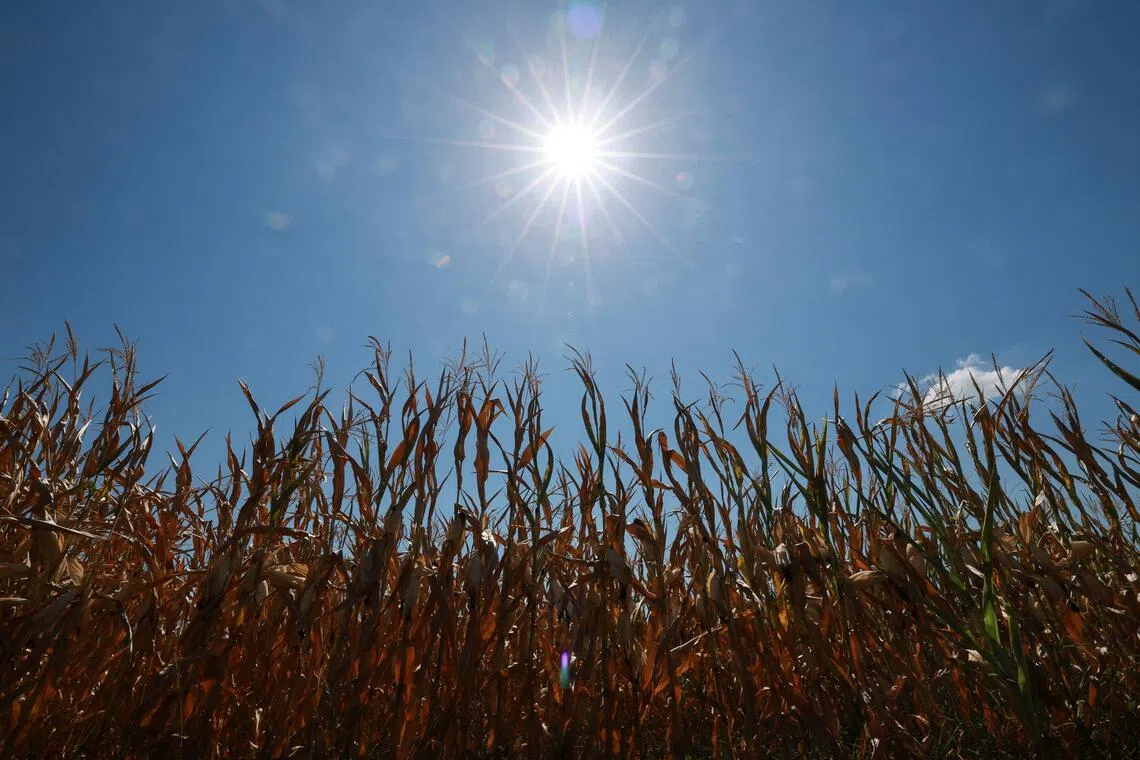
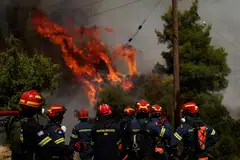
Last month, heat waves fuelled destructive wildfires in France and Spain and a heat dome baked parts of the US. It was the hottest or second-hottest July ever recorded, according to the major climate datasets.
In the contiguous US, the month’s average high temperature broke a record set 90 years ago, at the peak of the Dust Bowl.
So much of the world is sweltering that it’s easier to name the place that isn’t: “It’s been a very, very cold Antarctic winter,” Rohde said.


In many countries, especially emerging markets, the brutal heat and drenching rains brought by El Nino are set to exacerbate the economic pain caused by the Iran war. For example, warming seas have halted anchovy fishing in Peru.
Scientists heavily caveat annual temperature rankings, emphasising that climate change happens over decades and El Nino can have a strong influence on a single month or year. But the warming caused by greenhouse gas pollution is always there and increasing.
“El Nino is a giant hammer that the climate gets hit with,” said Berkeley Earth scientist Zeke Hausfather, “so it is going to scramble a lot of different things.” BLOOMBERG
Decoding Asia newsletter: your guide to navigating Asia in a new global order. Sign up here to get Decoding Asia newsletter. Delivered to your inbox. Free.
Share with us your feedback on BT's products and services
TRENDING NOW
How BYD disrupted Singapore’s car market – and why the strategy is turning on itself
Too little, too late? Manila’s billion-dollar bid to ignite its sputtering EV industry

Stocks to watch: ThaiBev, Genting Singapore, First Resources, Olam Group, UMS Integration, Frencken, SBS Transit and more

Olam H1 profit up six times to S$1.9 billion on Olam Agri spin-off; declares dividend of S$0.07 a share

