What the US midterms mean for the economy
Expect a louder fight, not a sharp change in direction
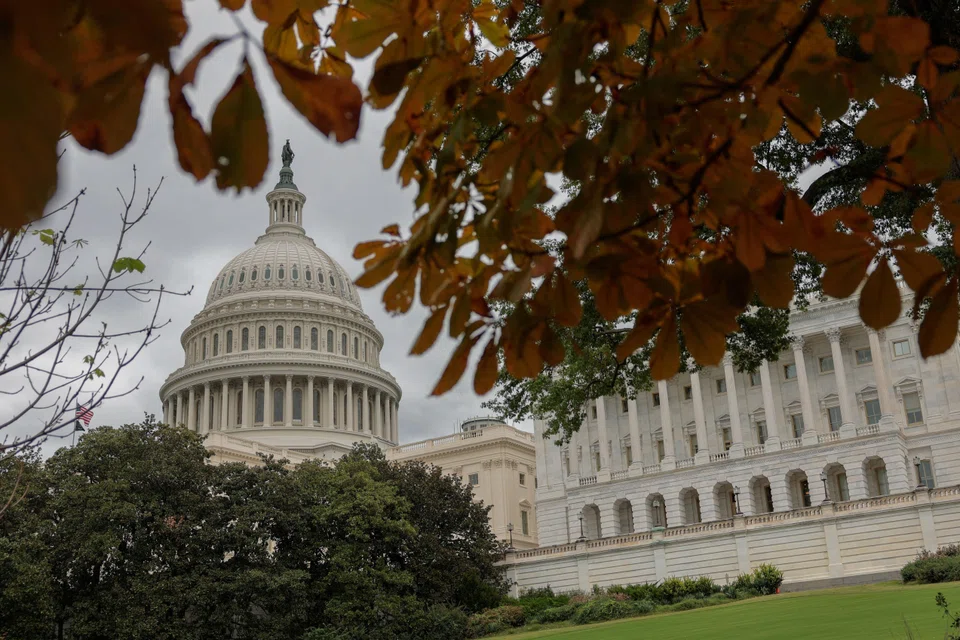
THE Democratic sweep in the US midterms on Nov 3 changes who sets the economic agenda in Washington far more than it changes the economy itself.
Democrats flipped seven Senate seats and more than two dozen House seats, which means they will take both chambers when the new Congress is sworn in on Jan 3, 2027. The new majorities in the House and Senate gain real leverage over government spending, borrowing and oversight.
But the biggest drivers of growth and inflation right now – from tariffs, to the Iran war, to the artificial intelligence investment boom – sit largely outside Congress’ direct control.
Expect a louder fight over the economy, not a sharp turn in it.
The market’s verdict
Wall Street’s first reaction was relief. On Nov 4, immediately after the midterms, the Dow Jones Industrial Average jumped around 1,500 points, marking its best day since April 2025.
A clear result and US President Donald Trump’s acceptance of it removed a source of uncertainty. The same day, Brent crude fell 8.7 per cent to about US$94 a barrel on expectations of tighter scrutiny of the Iran war, and the US dollar weakened.

By Nov 5, though, the mood had soured. A fresh rout in AI stocks erased the previous day’s gains, with the Nasdaq down 5 per cent and Nvidia losing roughly 9 per cent, while the 10-year yield eased further to 4.84 per cent.
Two days in, after having had more time to assess the results, the market was saying the election matters more to leading sectors and less for the overall economy.
The debt ceiling flashpoint
A divided government usually means fewer big tax and spending Bills, and analysts expect exactly that from the White House. At the same time, a divided government makes fiscal stimulus harder to pass.




This might give people worried about the government debt some relief.
But gridlock does not shrink the hole already dug. The federal deficit ran around US$2 trillion this fiscal year, and net interest on the debt reached US$1.05 trillion, more than any category except Social Security and Medicare.
Expect the deficit, as a share of gross domestic product, to still widen in 2027, by less than a percentage point.
The real risk is the debt ceiling. With debt approaching the US$41.1 trillion limit, the borrowing cap is the clearest lever Democrats hold over a president who can veto their Bills.
Democrats could tie a debt-limit increase to concessions on the Iran war or tariffs, leading to a showdown by mid-2027 with the possibility of an extended shutdown.
Trump wants Republicans to settle the issue in the lame-duck session before the new majority arrives. If they don’t, markets already uneasy about US creditworthiness could demand higher yields, as past standoffs have shown.
What Congress can’t easily change
The policies with the biggest cost effects run through the executive branch. The Iran war, tariffs and the immigration crackdown were all carried out by executive action; the election may therefore yield only marginal economic changes.
Tariffs illustrate the limits. After the Supreme Court struck down the emergency tariffs in February, the administration reissued them under Section 301 of US trade law, which does not depend on Congress.
About two-thirds of voters in an election-day survey said tariffs had hurt the economy, so Democrats will press the issue through hearings and budget fights.
But short of a veto-proof majority, they can only pressure trade policy rather than reverse it.
The most consequential economic effect may come from the states, not Congress.
Democrats who campaigned partly on a data-centre moratorium won governorships in Texas and Georgia, which together account for roughly a third of AI data-centre spending.
This matters for the whole economy because the AI construction boom has been a major source of growth this year. A sharp slowdown in data-centre building could drag overall investment down more than expected.
What to watch
The optimistic case holds that a divided government brings fewer surprises, restrains deficits, and checks costly policies such as open-ended war spending and broad tariffs.
Stocks have historically tended to do well in the months after midterms. It could happen this time, as some investors expect greater predictability from the White House.
The sceptical case holds that the Democratic sweep adds new risks without removing old ones. Some business groups and investors warn that tighter rules on AI, data centres and crypto could slow the investment driving growth.
Others worry that brinkmanship over the debt ceiling, possible impeachment efforts and an approaching 2028 campaign will make Washington more volatile, not less.
The election gave voters a check on the White House. Whether it gives the economy relief depends on how that check is used.
Decoding Asia newsletter: your guide to navigating Asia in a new global order. Sign up here to get Decoding Asia newsletter. Delivered to your inbox. Free.
Share with us your feedback on BT's products and services