
India in talks with Iran to secure safe passage for tankers
The ships are carrying crude oil, LPG and LNG, and have been stuck since US and Israeli attacks began late in February
 Add BT as a preferred source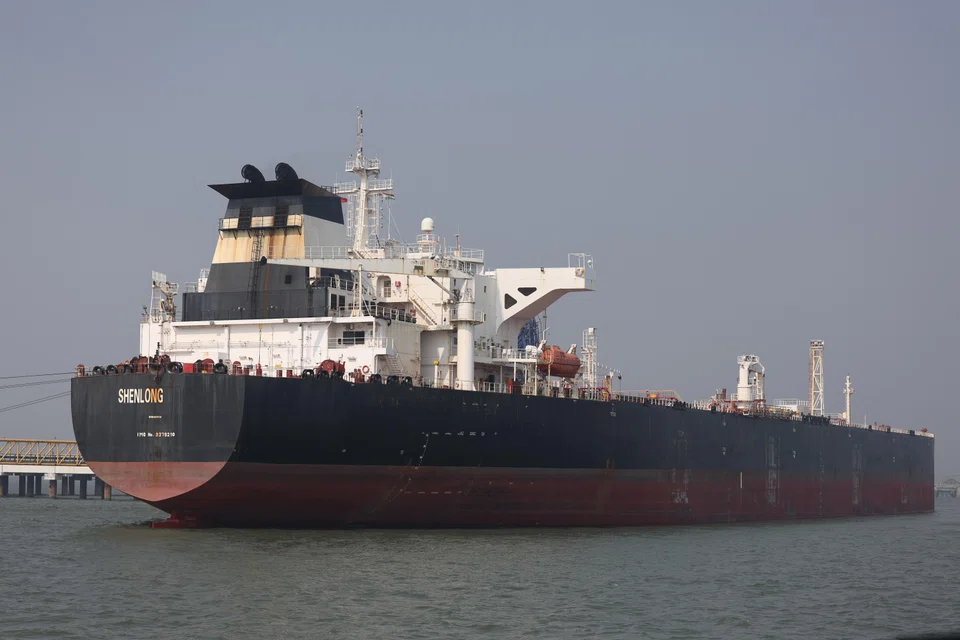
[MUMBAI] India is in talks with Iran to secure the safe passage of more than 20 tankers through the Strait of Hormuz, sources said.
Negotiations, still ongoing, are being handled by the Ministry of Foreign Affairs, they added, asking not to be named as the conversations are sensitive.
The narrow waterway, through which around a fifth of the world’s crude typically flows, has been effectively closed since the start of the war in the Persian Gulf.
Laden with crude oil, liquefied petroleum gas (LPG) and liquefied natural gas (LNG), the tankers have been stuck since US and Israeli attacks on Iran began late in February, but their arrival should help ease supply tightness.
India relies on the Middle East for nearly half of its crude, two-thirds of its LNG and almost all of its LPG imports.
External Affairs Minister Dr Subrahmanyam Jaishankar said in a post via X on Wednesday (Mar 11) that he had spoken with his Iranian counterpart Abbas Araghchi on the latest developments in the conflict, and that both sides agreed to remain in touch. He did not mention the vessels.
Navigate Asia in
a new global order
Get the insights delivered to your inbox.
Earlier on Thursday, Reuters reported that Iran had permitted India-flagged vessels to pass through the strait. It later said an unnamed Iranian source denied the green light had been granted.
Ten of the vessels are carrying LPG contracted by refiners such as Indian Oil and Hindustan Petroleum, while five are transporting crude, one of the sources said.
Sumit Ritolia, lead analyst at data intelligence company Kpler, said that traffic through Hormuz has dropped dramatically, but ships do occasionally manage to transit, including tankers bound for India.
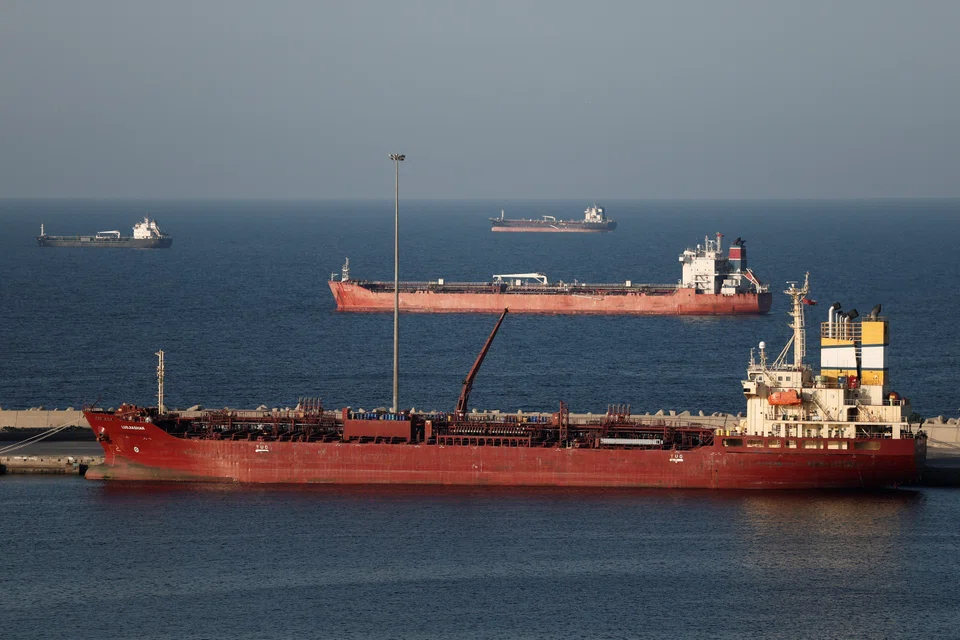
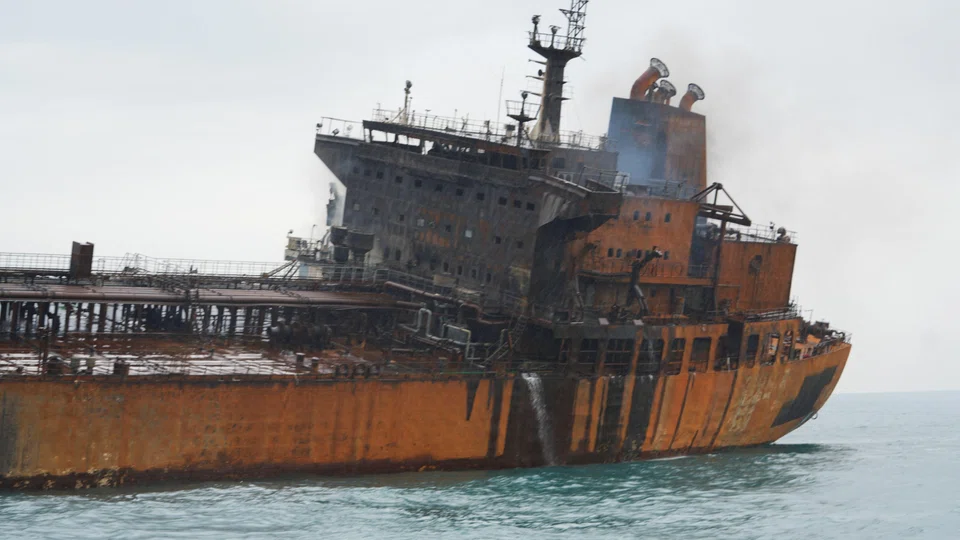
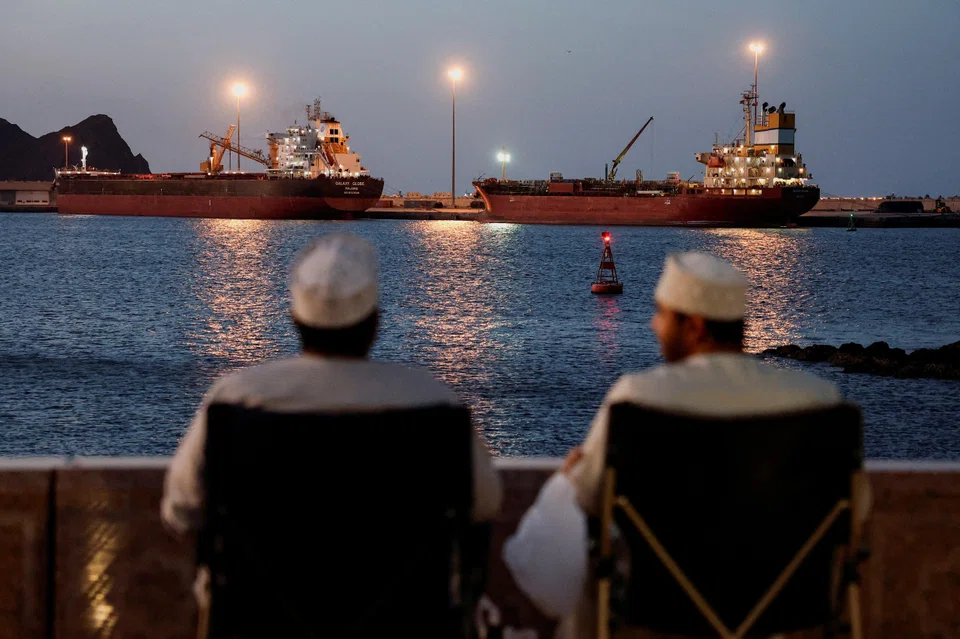
Ship-tracking data shows cargoes moving through the strait on Mar 6 and 9 that have since arrived, or are scheduled to arrive, at Indian ports.
However, the signals for several vessels reappeared on the Automatic Identification System – an automated, radio-based tracking network – only after they exited the Gulf, suggesting transponders were switched off while the ships were passing through the strait, he said.
Dark transit, which involves temporarily disabling tracking systems, is not unusual in high-risk areas. BLOOMBERG
Decoding Asia newsletter: your guide to navigating Asia in a new global order. Sign up here to get Decoding Asia newsletter. Delivered to your inbox. Free.
Share with us your feedback on BT's products and services

