

India’s inflation accelerates to 3.93% in May, remains a tad below RBI target
The RBI raised its inflation forecast for the current fiscal year to 5.1 per cent from 4.6 per cent earlier this month
 Add BT as a preferred source
Sharon Lee
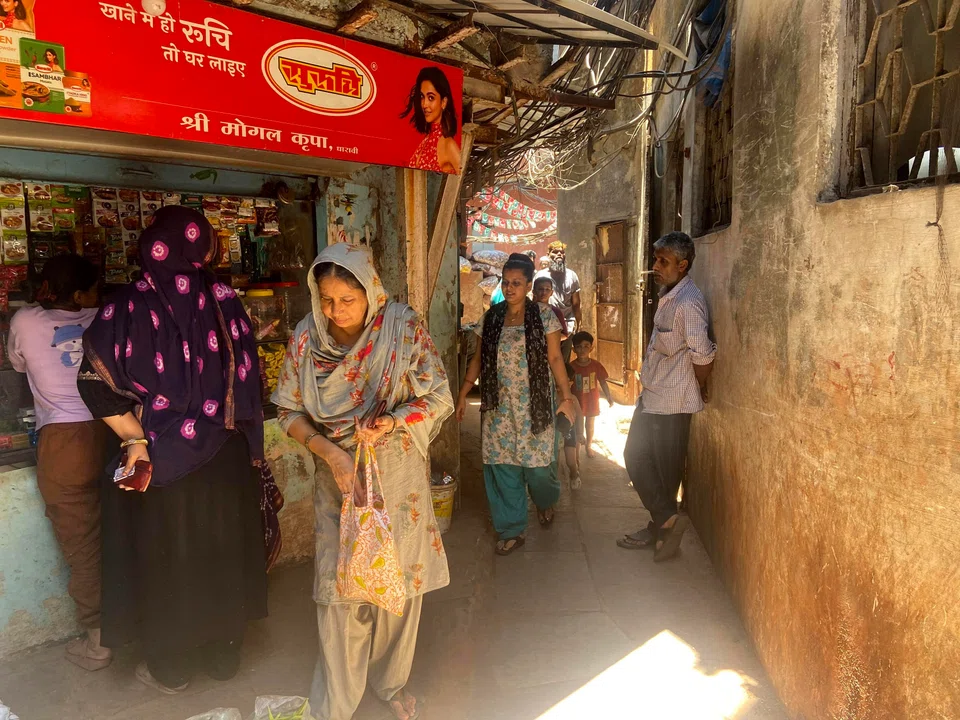
[NEW DELHI] India’s retail inflation rose to 3.93 per cent in May, driven by higher food and fuel costs, government data showed on Friday (Jun 12), while risks related to the Middle East conflict and a weak monsoon threatened to add further price pressures.
May’s reading was marginally below the Reuters projection of 4 per cent and remained close to the Reserve Bank of India’s medium-term target.
It was also the highest reading under the revised inflation series introduced in January with a new base year and consumption basket.
The data comes after state-owned fuel retailers raised fuel prices four times in May alone, pushing up transport inflation to 1.75 per cent, from a decline of 0.01 per cent in April.
Food inflation accelerated to 4.78 per cent in May from 4.2 per cent in April and could rise further if El Nino conditions weaken rainfall during the June-September monsoon season.
“We estimate inflation at 5.2 per cent for fiscal 2027, with headline likely to cross 6 per cent in third-quarter FY27. Apart from elevated energy prices, El Nino-related disruptions also pose upside risks to the inflation outlook ahead,” said Sakshi Gupta, principal economist, HDFC Bank.
The monsoon brings about 70 per cent of India’s annual rainfall and is critical for agriculture and rural incomes, with nearly half of farmland lacking irrigation and millions dependent on farming for their livelihood.
The RBI raised its inflation forecast for the current fiscal year to 5.1 per cent from 4.6 per cent earlier this month but kept rates on hold as it watches for the effects of a second-round of supply-driven inflation pressures.
So far core inflation, which excludes volatile food and energy costs and reflects more generalised price pressures, has remained in check.


It stood at 3.9 per cent in May, according to estimates by Kotak Institutional Equities.
“The sub-4 per cent headline and core inflation points towards comfortable trends in the near term,” said Upasna Bhardwaj, chief economist at Kotak Mahindra Bank in Mumbai.
“While softening crude oil prices and the cap on the weakening rupee remain a tailwind, we continue to monitor the impact of adverse monsoons on food inflation,” Bhardwaj, who expects 50 basis points in rate hikes beginning in October, added.
To combat the impact of rising energy prices and the resulting effect on the rupee, the federal government and the RBI announced a series of measures earlier this month to attract dollar inflows and support the domestic currency.
The Indian rupee sank to a record low of 96.96 on May 20, taking losses since the Iran war broke out to nearly 5 per cent. A weaker rupee pushes up prices of imported goods and adds to inflation. REUTERS
Decoding Asia newsletter: your guide to navigating Asia in a new global order. Sign up here to get Decoding Asia newsletter. Delivered to your inbox. Free.
Share with us your feedback on BT's products and services
TRENDING NOW

Singapore banks’ rout on new China scrutiny of wealth flows ‘overblown’: Maybank

HK$563 million sale of mansion to Singapore citizen among Hong Kong’s largest property deals in 2026

‘I felt like dying’: Thai Singha beer scion speaks up after disclosure of alleged sexual abuse

What’s wrong with Orchard Road? Experts weigh in on the street’s cachet and its future

