

Japan PM Takaichi’s popularity holds steady despite price concerns
The opposition has been unable to form a solid bloc against her
 Add BT as a preferred source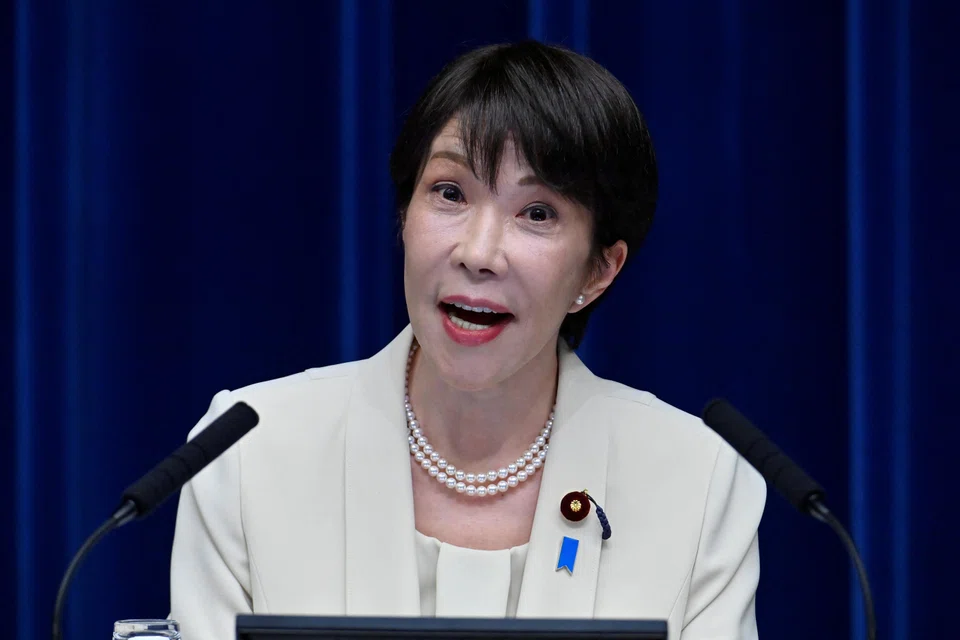
JAPANESE Prime Minister Sanae Takaichi’s popularity remained relatively steady in media polls conducted over the weekend, with inflation remaining a top concern for the public.
The polls suggest a summer decline in Takaichi’s popularity may have run its course as she approaches a year in office, even as voters remain skeptical about the effectiveness and implementation of her signature inflation-relief measure: a two-year sales tax cut on food.
A poll by the Asahi newspaper conducted over the weekend showed support for Takaichi at 53 per cent after a drop from over 60 per cent in July. Another poll by Nikkei showed a 4-point uptick in Takaichi’s popularity, with 62 per cent of respondents saying they supported her administration.
Takaichi’s decision to introduce a sales tax cut from April despite disagreement within parliament over the plan’s details may have come across as decisive action to address inflation, but the public appears to have reservations.
In the Asahi poll, the percentage of people who thought Takaichi was doing a good job of countering inflation rose slightly from 29 per cent to 34 per cent, but remained far behind the 51 per cent who thought she wasn’t doing enough.
The same poll showed that 77 per cent of respondents thought the government should clarify how the tax cut will be funded.
Takaichi has not given details on how to cover the shortfall of over 4 trillion yen (US$25 billion) in annual tax revenue after the tax cut is introduced in April. So far the government has flagged surging non-tax revenue sources as a potential source of funding.
Further details of the tax cut are set to be sketched out in September, before it advances into parliament to be approved by lawmakers later this year.
As Takaichi pushes through her plans, the opposition has been unable to form a solid bloc against her.
SEE ALSO




A plan to merge some parties into a larger opposition force under the Centrist Reform Alliance is on the verge of collapsing, with parties wavering on whether to join the CRA.
The CRA was formed earlier this year as a merger between the Constitutional Democratic Party, the largest opposition party at the time, and Komeito, the former junior coalition partner of the ruling Liberal Democratic Party. Despite efforts to form a large opposition bloc against Takaichi’s LDP, the CRA suffered a humiliating defeat in the February general election, in which the LDP won a supermajority.
Talks have been held to merge the CDP and Komeito into the CRA in the upper house, where the CDP and Komeito remain separate parties.
The plan appears poised to fall apart, with the CDP on Friday saying it would forgo the merger, and media reporting Komeito is set to formally announce on Monday it won’t join the CRA.
Media including Kyodo have reported that the CRA itself looks likely to split, with former Komeito lawmakers who are currently in the CRA set to re-join their old party. BLOOMBERG
Decoding Asia newsletter: your guide to navigating Asia in a new global order. Sign up here to get Decoding Asia newsletter. Delivered to your inbox. Free.
Share with us your feedback on BT's products and services
TRENDING NOW

Stocks to watch: ComfortDelGro, ESR-Reit, Frasers Property, Centurion, Fuyu

Fed chair Warsh’s hawkish Jackson Hole turn favours soaring banks over struggling S-Reits

Beyond data centre Reits: The AI potential that Singapore investors are still missing

Frasers Property shareholders approve S$2.1 billion hospitality portfolio revamp

