
Three key provisions in Trump’s Greenland deal with Nato. Will they be enough?
EU leaders appear to have agreed they will now proceed to ratify their existing trade deal with the US
 Add BT as a preferred source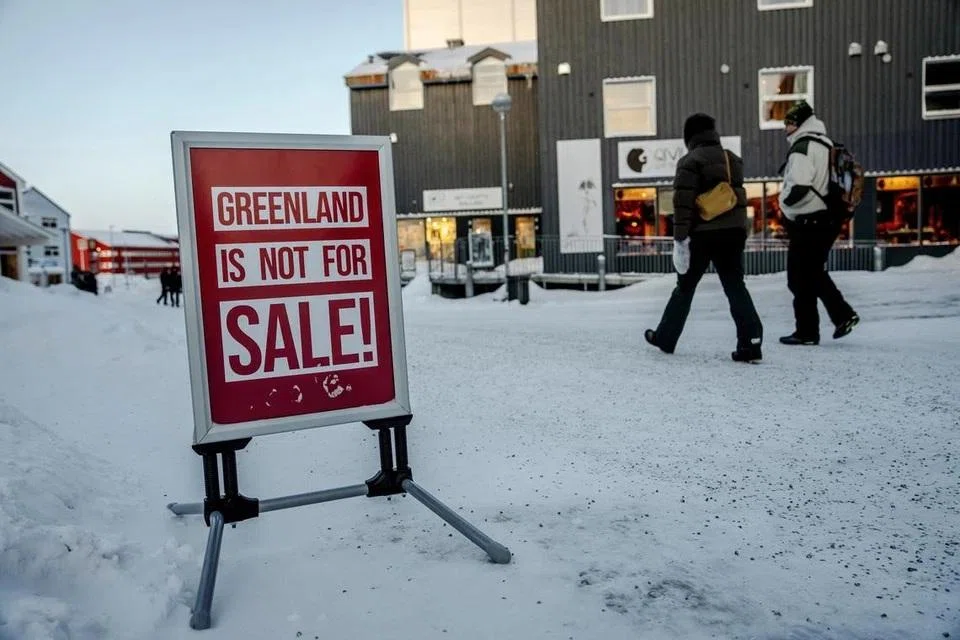
[BRUSSELS] European Union leaders gathered for an emergency summit in the Belgian capital during the late hours of Jan 22 were in a more relaxed mood after US President Donald Trump withdrew his threat to slap trade tariffs on Europe unless the US gains possession of Greenland.
Few details have filtered out about the diplomatic compromise that apparently satisfied Trump enough for him to withdraw his initial Greenland tariff threat. Still, and at least for the moment, one of the worst crises between the US and Europe in generations appears defused.
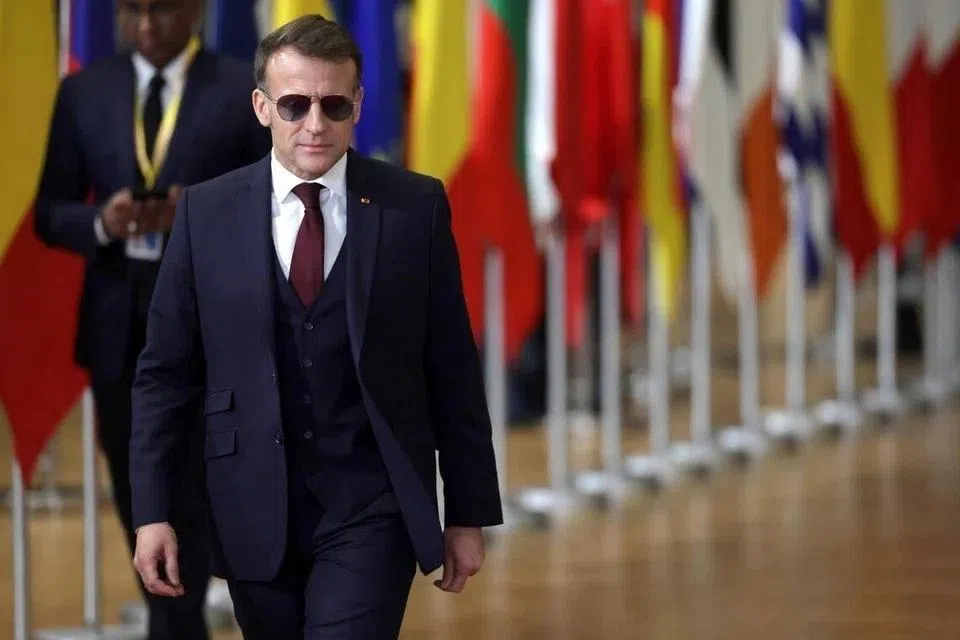
“I welcome the fact that we began the week with an escalation, with threats of invasion and tariff threats, and have now returned to a situation that I find far more acceptable,” French President Emmanuel Macron told journalists in Brussels.
Severely shaken by their experience, Europe’s leaders called the Brussels summit to forge a joint, longer-term approach to the Trump administration. Yet, it is unlikely that they will emerge with new ideas or be able to bridge their longstanding differences.
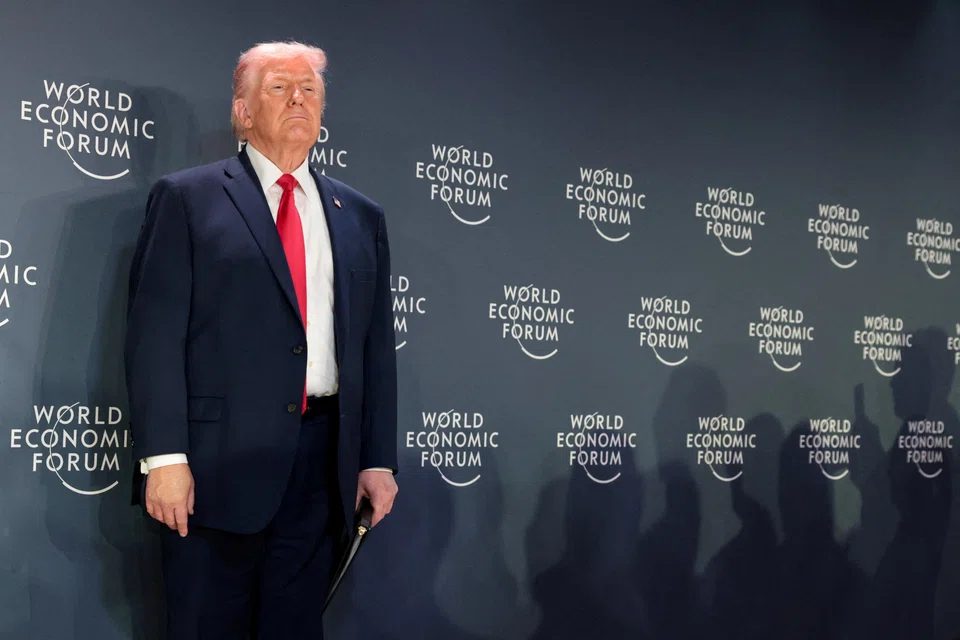
Much of this week’s hectic European diplomacy took place in Davos, the Swiss alpine resort that hosts the yearly get-together of top politicians and business tycoons. Trump came to Davos with a vast retinue of officials and an even larger grudge against the Europeans, who oppose his determination to take control of Greenland.
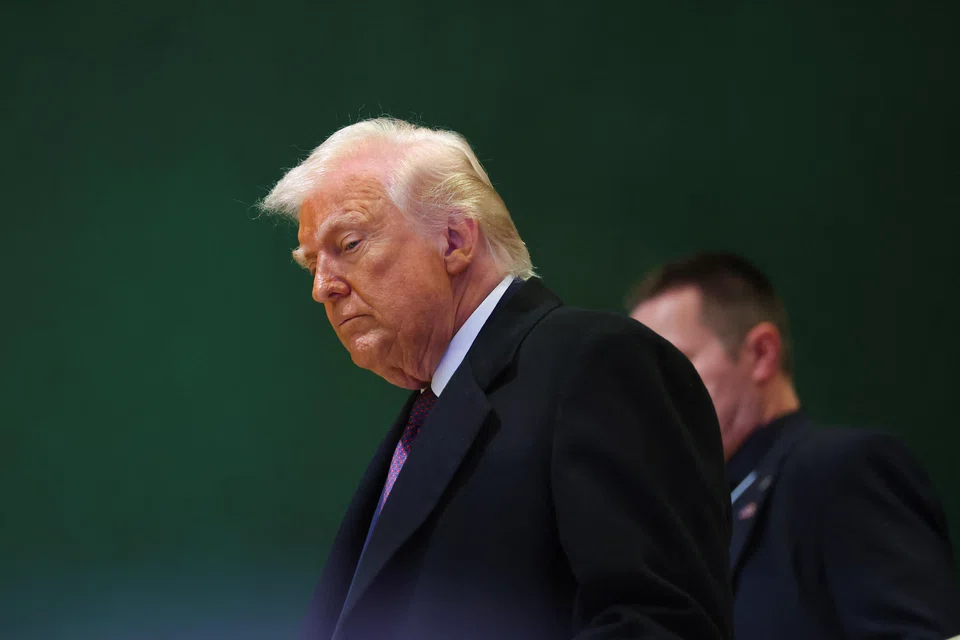
On Jan 21, his first day in Davos, Trump went out of his way to be as disagreeable as possible. He mocked Denmark and its history, claiming that the Danes had no proper title to Greenland.
Navigate Asia in
a new global order
Get the insights delivered to your inbox.
He told his European listeners that the US won World War II apparently single-handedly. “Without us, right now you’d all be speaking German,” Trump said, referring to Nazi Germany.
And throughout his rambling speech, he frequently warned that unless he “had” Greenland pretty soon, Europe faced a barrage of tariffs and the spectre of an all-out trade war.
In what must surely rank as the height of rudeness, Trump even humiliated his Swiss hosts in Davos, mocking Karin Keller-Sutter, Switzerland’s president during 2025, by claiming that “she just rubbed me the wrong way” during tariff negotiations.
SEE ALSO
“It was unacceptable to be treated like that,” a visibly angry Swiss Foreign Minister Ignazio Cassis said.
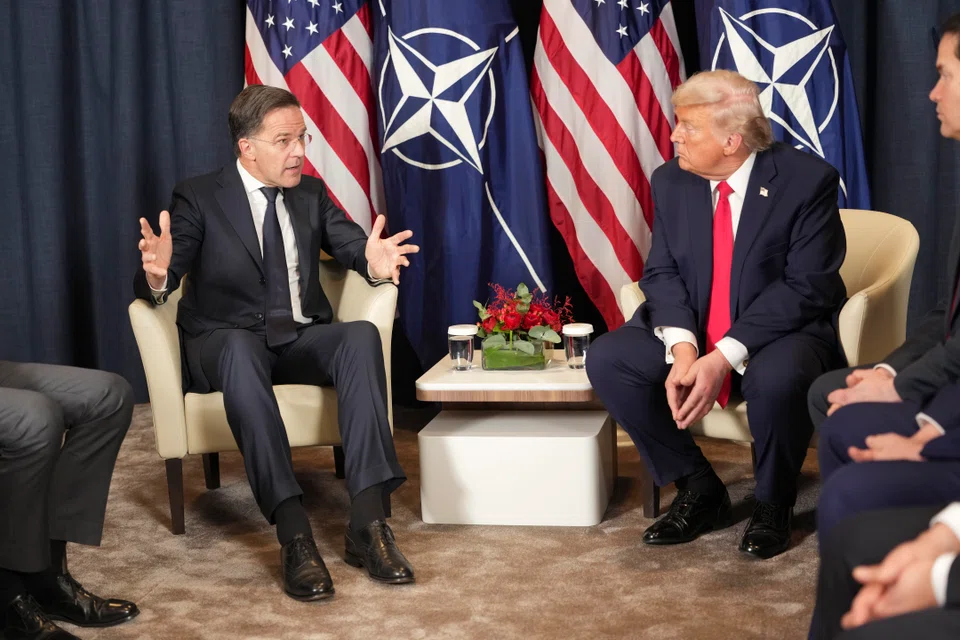
Yet, after talking with Mark Rutte, the secretary-general of Nato, the military alliance in Europe, Trump suddenly changed his tune and announced the cancellation of his planned tariffs.
Trump explained the about-face by citing the “framework for a future agreement” he had concluded with Rutte, which he claimed covered Greenland and the entire Arctic region. No details of what this entails were published.
Diplomatic sources in Brussels told The Straits Times that the deal, which Trump agreed to, includes three key provisions.
The first is that Denmark and the US will negotiate, together with the autonomous regional government of Greenland, a new security treaty that will allow for an expansion of US bases and the construction of elements of the so-called Golden Dome US missile defence system on Greenland’s soil.
Secondly, there is a promise that the US would be given a say in the control of investment flows into Greenland. This would mean the effective exclusion of China and Russia from any exploitation of the raw materials of Greenland.
And, finally, there is a European pledge to put real resources into Arctic security, to answer Trump’s claim that neither Denmark nor the rest of Europe can protect Greenland.
There are also rumours that, within the framework of the new bilateral agreement to be renegotiated between the US and Denmark, the US may be granted sovereignty over its new military bases in Greenland, thereby allowing Trump to claim that he is advancing towards his declared objective of controlling the entire island by owning little parcels of land.
The question facing European leaders gathered in Brussels is whether this deal will be enough to calm Trump’s demands, or whether the crisis should serve as a wake-up call for the continent not to rely on US security guarantees.
Unsurprisingly, the French claim that the crisis over Greenland indicates the US is unreliable, and that Washington takes Europe seriously only when the Europeans stick together and present a united front.
“The conclusion we can draw is that when Europe responds in a united way, using the tools at its disposal… it can command respect,” Macron told the other summiteers in Brussels.
But German Chancellor Friedrich Merz expressed hope that the EU and the US can, and should, overcome their tensions. “I attach great importance to trying to preserve Nato,” Merz told reporters at the start of the EU leaders’ summit.
“This transatlantic alliance cannot simply be abandoned. We have built it up over 75 years,” he added.
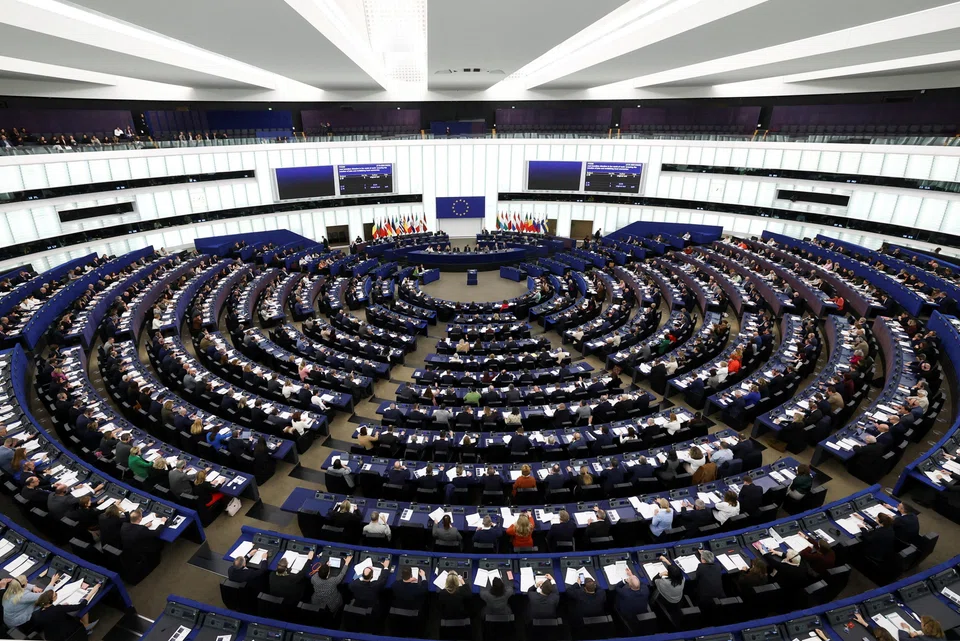
EU leaders appear to have agreed they will now proceed to ratify their existing trade deal with the US. The ratification process was frozen in the European Parliament after Trump issued his latest tariff threats. Now that the threat has been removed, European Parliament president Roberta Metsola said she will be “taking forward” the work on the transatlantic trade deal’s ratification.
Yet, the hard work of rebuilding transatlantic relations is only beginning. European officials will have to work hard to keep the Trump administration happy with enough concessions on Greenland, but without sacrificing Denmark’s sovereignty over the territory.
Danish Prime Minister Mette Frederiksen has pledged to “remain open” to a dialogue with the US over the Arctic territory.
Yet, Frederiksen is facing elections in Denmark later in 2026, so her room for manoeuvre remains limited. Nor can she negotiate on behalf of Greenlanders without their explicit consent at every stage.
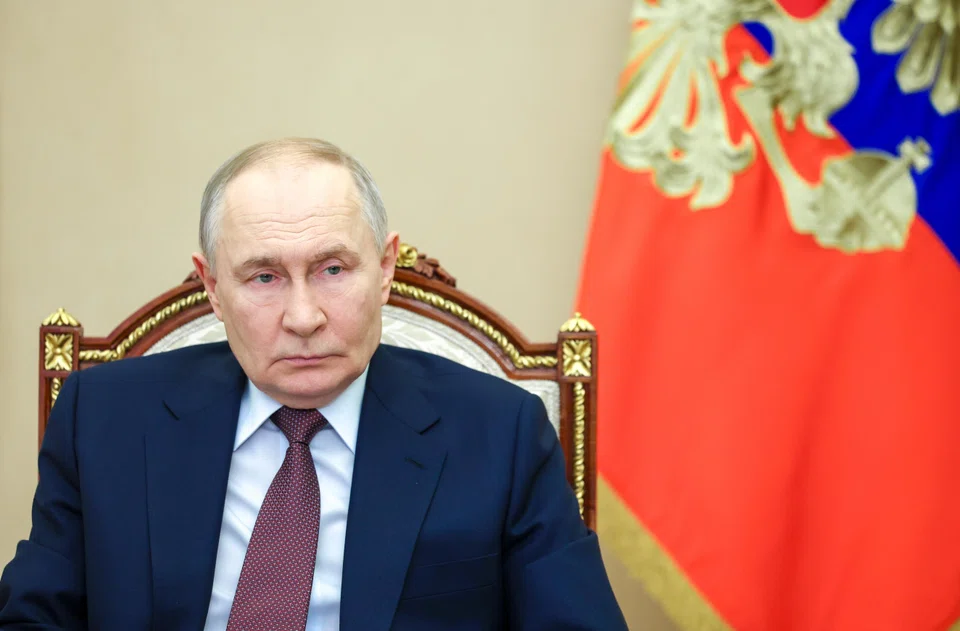
Meanwhile, the Greenland dispute has largely eclipsed the question of the war in Ukraine. “The main issue is not Greenland now, the main issue is Ukraine,” Rutte, the Nato boss, warned on Jan 22, adding he was “a little bit worried that Europeans might drop the ball focusing so much on these other issues”.
Negotiations between Russia and Ukraine are restarting on Jan 23. Yet, when it comes to reaching a ceasefire agreement in Ukraine, Europe’s eyes are yet again fixed on the one man who can push this matter: none other than Trump. THE STRAITS TIMES
Decoding Asia newsletter: your guide to navigating Asia in a new global order. Sign up here to get Decoding Asia newsletter. Delivered to your inbox. Free.
Copyright SPH Media. All rights reserved.

