

Trump says talks are Iran’s ‘last chance’ after threats
The Islamic Republic denies negotiating with the US but says talks with Oman about the Strait of Hormuz are making progress
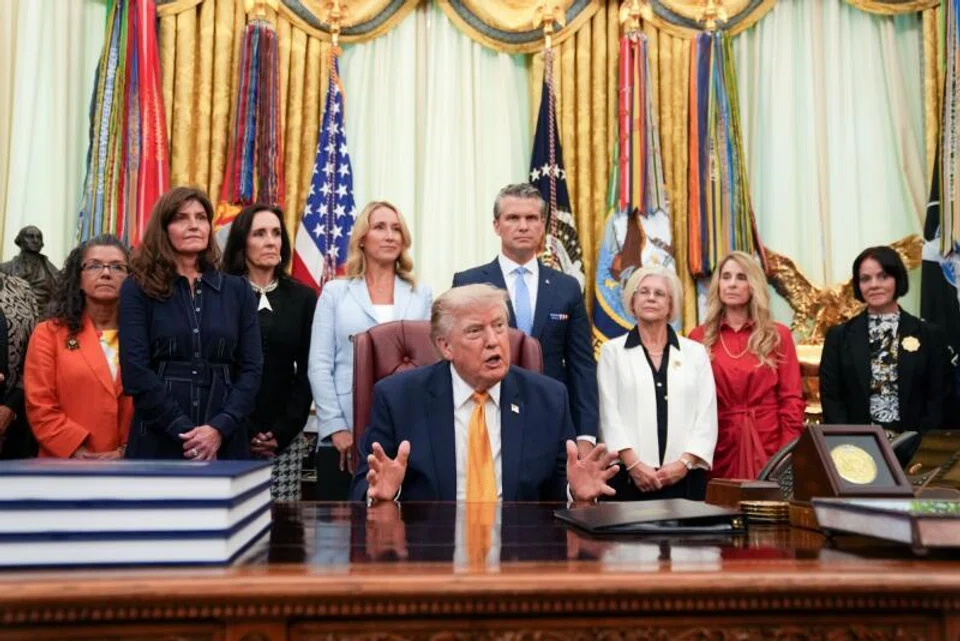
[WASHINGTON] US President Donald Trump said his latest offer of talks is a “last chance” for Iran after he called off what he said was a major attack on the Islamic Republic.
Iran denied it was negotiating with the US, but said talks with Oman to get more ships moving through the Strait of Hormuz are making progress.
“I want to give them every last chance before decapitation,” Trump told reporters in the Oval Office. “You’ll find out today or tomorrow. I mean, they’re going to go quickly, one way or the other. It’s not very complex.”
It was not clear which negotiations Trump was referring to or who was involved. He has repeatedly cited diplomatic efforts after backing away from threats of military escalation, only to see talks collapse.
US and Israeli strikes early in the war killed much of Iran’s senior leadership.
Iran has shown no sign of allowing vessels free passage through the Strait of Hormuz, which Trump has demanded. Instead, Teheran said it is discussing a new shipping route with Oman rather than whether the strait itself will reopen.
A reported attack on a cargo vessel could complicate diplomatic efforts after the UK Maritime Trade Operations centre said late on Monday (Aug 3) that a ship about 20 nautical miles northeast of Al Khasab, Oman, had broadcast that it was hit by an unidentified projectile.
The discussions with Oman are about a “temporary” route to ensure the safety of ships, Esmail Baghaei, an Iranian foreign ministry spokesman, said on Monday. “We are not currently negotiating with the United States.”
That elicited an angry response from Trump, who called the Iranian leadership “unbelievably duplicitous”. He said talks had taken place and more were scheduled, without providing any details.
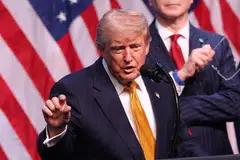
“Whether Iran wants to admit it or not, we are, in fact, talking of a solution,” he wrote on social media.
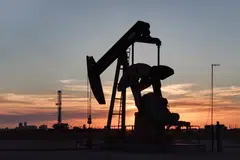
Brent crude edged higher to US$84.10 a barrel after Trump’s comments, while the 10-year Treasury yield fell six basis points to 4.68 per cent in the previous session.
Late on Monday, a senior Iranian official called on the US to “take the first step and change its behaviour” by returning to the terms of an agreement the two sides reached in June.
Mohsen Rezaee, adviser to Iran’s supreme leader, told state television that “US warships and bases will be in serious danger” if Trump does not lift the blockade of its ports.
Bloomberg reported last week that Muscat and Teheran were discussing reopening the so-called middle passage through Hormuz.
It has, however, been mined by Iran, according to people familiar with the matter, and could have to be cleared before vessels use it on a regular basis.
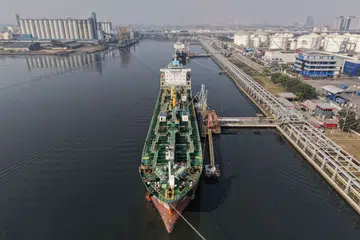
The chokepoint, a vital conduit for supplies of oil, liquefied natural gas and other commodities such as fertilisers, remains all but shut.
Hardly any ships are sailing through, at least with their transponders turned on. Most that do are going on a northern route close to Iran’s shores with Iranian permission, or on a southern one nearby Omani territory.
Trump said “there’s not going to be charging” for access to the strait, something Teheran has set as a key condition of any deal.
He scolded ExxonMobil and Chevron for their soaring profits, saying they are “making too much money” and urging them to “give some of that back to the public” and cut retail petrol prices.
Trump said he had cancelled threatened strikes – the likes of which he claimed have “not seen since World War II” – after lobbying from Iran and Middle Eastern countries.
Saudi Arabia’s Crown Prince Mohammed bin Salman held a call with Trump over the weekend. The kingdom’s de facto leader “stressed the need to prioritise dialogue to reduce escalation and the importance of making every possible effort to achieve calm,” according to the main Saudi news agency.
Gulf Arab states, increasingly exasperated by the war entering its sixth month, fear any escalation would trigger more Iranian drone and missile attacks on their territory, infrastructure and economies.
Iran has attacked Kuwait and Bahrain during recent clashes with the US, while ships linked to Saudi Arabia, the United Arab Emirates and Qatar have been hit near the Strait of Hormuz.
Saudi Arabia has also come under attack from Iran-backed militias in Iraq and the Houthis in Yemen in recent weeks. US embassies across the region have warned Americans to prepare for possible flight cancellations and airspace closures.
Trump has said he would intensify bombing until Iran reopened the strait, eventually targeting civilian infrastructure and power plants. Teheran has warned it would retaliate fiercely against such attacks. BLOOMBERG
Decoding Asia newsletter: your guide to navigating Asia in a new global order. Sign up here to get Decoding Asia newsletter. Delivered to your inbox. Free.
Share with us your feedback on BT's products and services
TRENDING NOW

He built the Vingroup empire. Now South-east Asia’s richest man is handing some key roles to his sons

Quarter of Singtel special discounted shares sold ahead of CPF Board transfer

Why Tan Aik Keong of digital solutions specialist Agmo wants to make himself less indispensable
Asia needs new energy security architecture

