
Trump vows ‘whatever it takes’ on Iran, as he warns strikes could ‘go far longer’
Teheran is looking to name a new supreme leader after Khamenei was killed during the opening salvo of strikes
 Add BT as a preferred source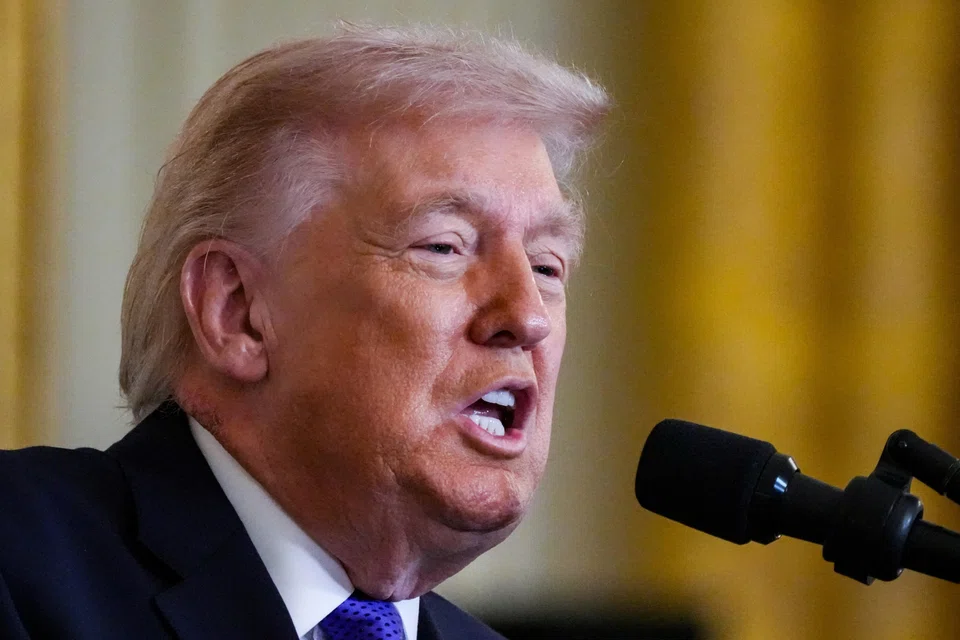
[WASHINGTON] The US sent conflicting messages about how long a war with Iran might last as Israel launched new airstrikes on Monday (Mar 2), with the widening conflict reverberating across the Middle East and upending energy markets.
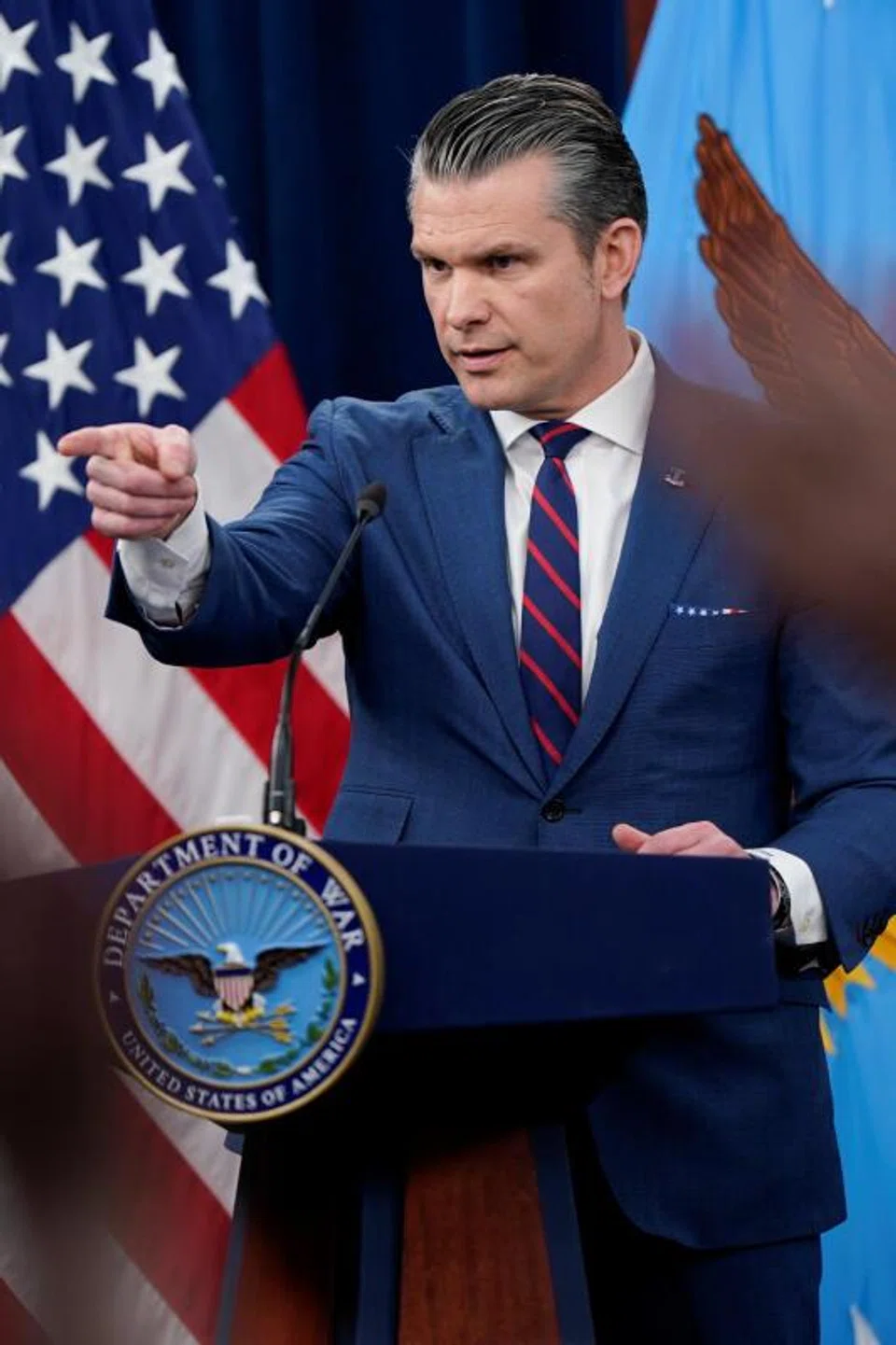
Defense Secretary Pete Hegseth on Monday rejected the idea of an “endless” war with Iran. But US President Donald Trump later insisted there was no fixed timeline. Both refused to rule out putting American boots on the ground.
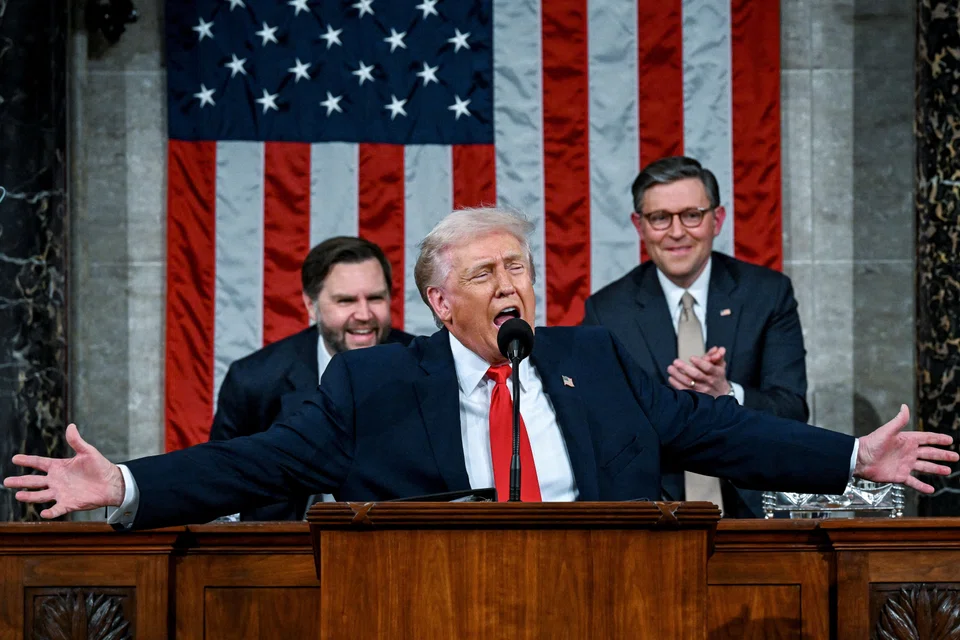
“Whatever the time is, it’s okay – whatever it takes,” Trump said. “Right from the beginning, we projected four to five weeks. But we have capability to go far longer than that.”
The Israel Defense Forces announced on Monday a new “wave of strikes” on Teheran targeting the command centres of Iran’s Interior Security and Ministry of Intelligence that it blamed for “suppressing protests against the regime through violent measures”.
The Islamic Republic continued to fire projectiles around the Middle East in response to the US-Israeli attack, which killed Supreme Leader Ayatollah Ali Khamenei over the weekend. Blasts were heard across Israel, Saudi Arabia, Qatar and the United Arab Emirates.
Speaking on national television on Monday night, Iranian Foreign Minister Abbas Araghchi said that Teheran has no quarrel with neighbouring countries but is “taking on the American soldiers stationed there”.
Navigate Asia in
a new global order
Get the insights delivered to your inbox.
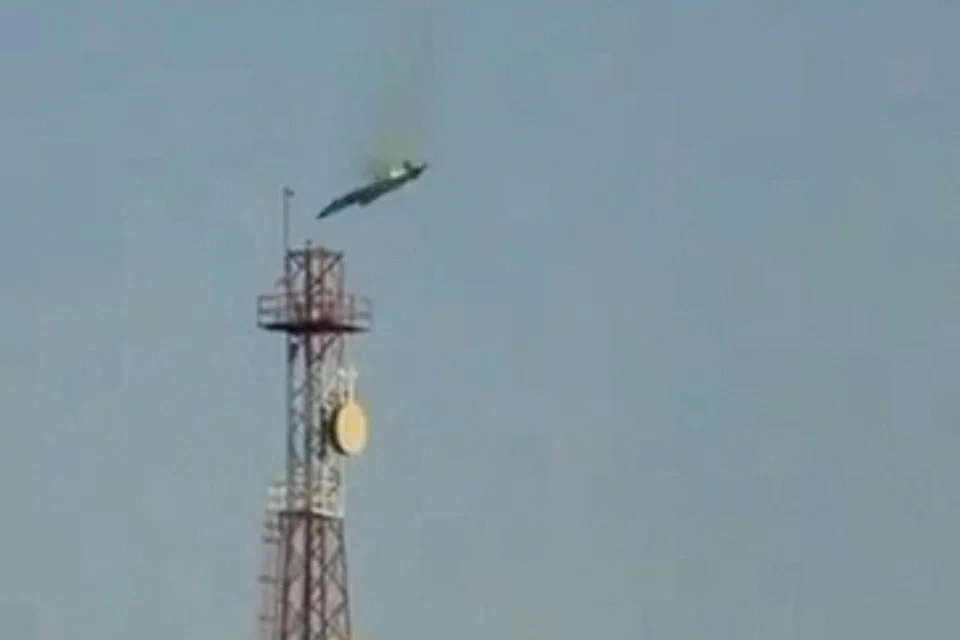
The US also said that three fighter jets crashed in Kuwait due to an apparent friendly-fire incident, with aircrew ejecting safely. Israel earlier expanded its campaign to Beirut after coming under attack from Hezbollah fighters in southern Lebanon, who are allied with Teheran.
Qatar and the UAE are lobbying allies to help persuade Trump to reach for a diplomatic off-ramp and to keep the conflict short, according to sources familiar with the matter, aiming to prevent further escalation and a prolonged energy price shock.
Global oil benchmark Brent ended the session nearly 7 per cent higher at US$77.74 a barrel. Prices extended gains post-settlement to trade above US$78 a barrel after an adviser to the Islamic Revolutionary Guard Corps Commander said that Iranian forces won’t let oil leave the region, according to state media.
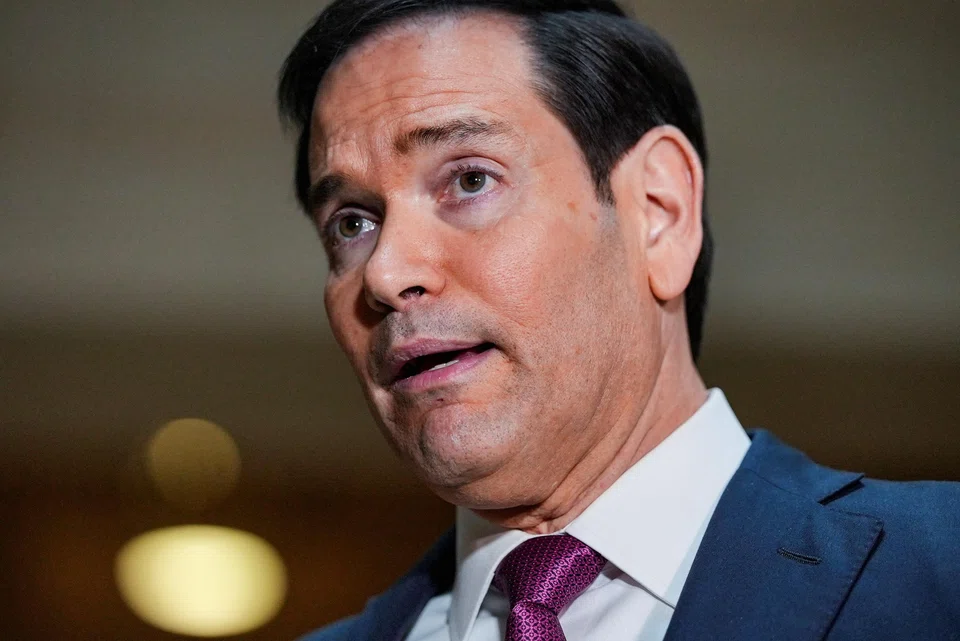
The Trump administration will soon roll out a programme to help mitigate rising energy costs, Secretary of State Marco Rubio told reporters in Washington before heading into a briefing for US lawmakers. He said that the campaign would only intensify.
“I’m not going to give away the details of our tactical efforts, but the hardest hits are yet to come from the US military,” Rubio said.
Senate Democratic leader Chuck Schumer criticised the conflict as “a war of choice, not necessity”, and said Americans don’t want a war “that raises the price of gas at the pump”.
US Central Command said that six service members had been killed in action as at Monday at 4 pm ET. After the US reported its first American fatalities of the conflict, Trump said on Sunday that “there will likely be more before it ends” and “that’s the way it is”.
Trump on Sunday also called on Iran’s generals to hand power to the nation’s people and said he’s agreed to talk with new leadership, according to The Atlantic. Iran’s security chief Ali Larijani said Teheran won’t negotiate with the US, responding to reports that he had reached out to American officials through Omani mediators.
US justifications for the initial strikes have varied, with officials citing regime change, the threat of Iran’s nuclear programme, and the domestic crackdown on protesters.
On Monday, Rubio said the campaign was aimed at destroying Iran’s ballistic missile programme and its navy, in order to prevent threats to global shipping. But Israeli Prime Minister Benjamin Netanyahu said in a social media post that it was partly meant “to create the conditions for the brave Iranian people to cast off the yoke of tyranny”.
US intelligence officials have provided the administration with analyses of multiple, potential scenarios following an attack on Iran, highlighting the uncertainty of what could unfold next.
Trump has called on the Iranian people to “seize this moment” and “take back your country”, but Iran’s security forces have exerted tight control over the country. That likely makes it an uphill battle for any sort of political opposition group to try and seize power, even with the support of US and Israeli strikes on Iranian government and military targets.
In an interview with The New York Times on Sunday, Trump called on Iran’s generals to either hand power to the nation’s people or embrace a model similar to Venezuela, whose new leader has been compliant with US demands after the ouster of Nicolas Maduro.
Teheran is looking to name a new supreme leader after Khamenei was killed during the opening salvo of strikes. Foreign Ministry Spokesman Esmail Baghaei said he “hopes” a successor will be elected “within the next few days”.
The US-Israeli operation began after three rounds of talks with Iran over a deal to restrict Teheran’s atomic activities in exchange for sanctions relief.
The United Nations nuclear watchdog said on Monday it’s frustrated by the collapse of diplomacy, adding that satellite images show Iran’s nuclear sites have been largely spared during the current round of strikes. The US and Israel targeted the facilities in a 12-day assault in June.
In the Islamic Republic, state media reported strikes on military and civilian sites, including one that killed over 140 people at a school in Hormozgan. More than 550 people were killed in attacks across the country, according to Iran’s Red Crescent.
Nearly all civilian air traffic is closed across the Gulf after Dubai’s main airport, the world’s busiest aviation hub, was hit. Emirates and Etihad Airways will resume limited operations later on Monday as the carriers seek to ease some of the congestion.
Dubai landmarks incurred damage during a series of blasts that shook the financial hub. The UAE said that the Abu Dhabi Securities Exchange and Dubai Financial Market will be closed on Monday and Tuesday.
Arab countries in the Gulf condemned Iran for its attacks, with the UAE telling Teheran to “come back to its senses” and stop hitting countries that are not taking part in the US-Israeli assault. BLOOMBERG
Decoding Asia newsletter: your guide to navigating Asia in a new global order. Sign up here to get Decoding Asia newsletter. Delivered to your inbox. Free.
Share with us your feedback on BT's products and services

