
With Trump’s tariffs overturned, who gets refunds?
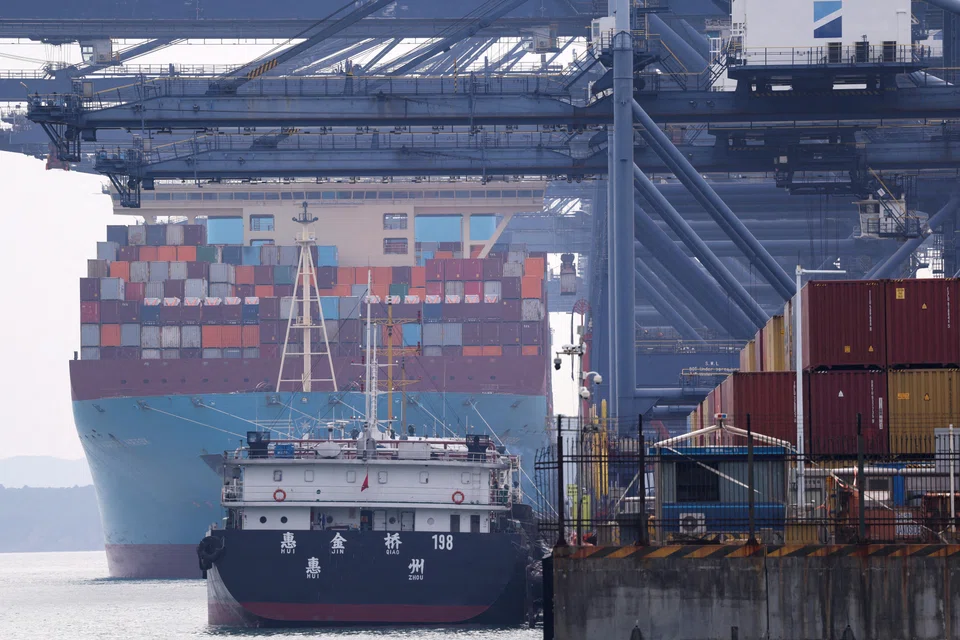
Importers pay tariffs when their goods enter the country
 Add BT as a preferred source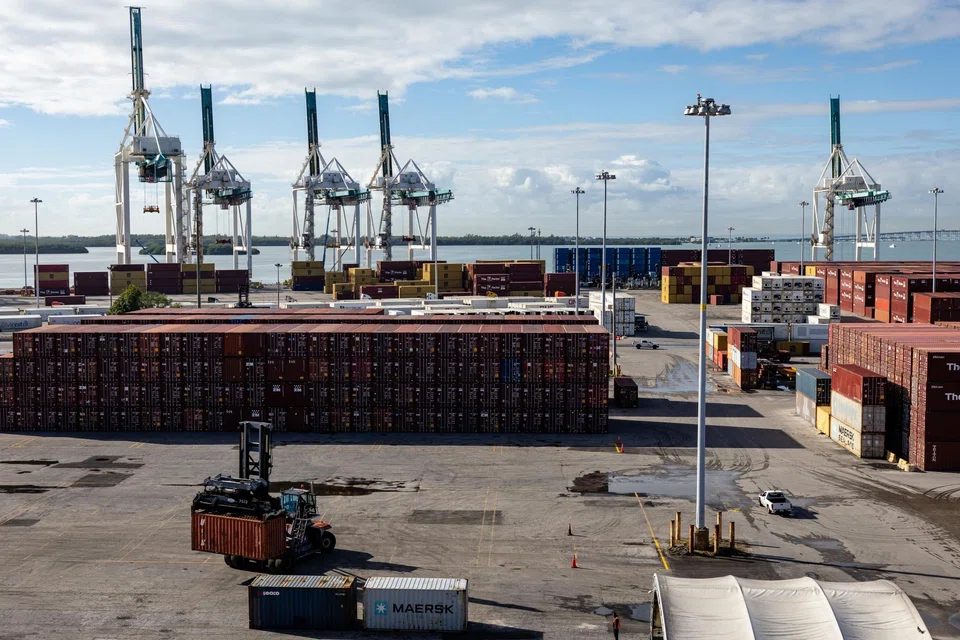
[NEW YORK] The scramble to get tariff refunds is on. But dissecting what could be a multi-year “mess” in the courts, as US Supreme Court justice Brett Kavanaugh put it, is still unfolding.
The Supreme Court’s Feb 20 decision struck down duties US President Donald Trump’s administration imposed under the International Emergency Economic Powers Act, or Ieepa – but it did not directly address refunds. It’s up to the lower US Court of International Trade to determine whether refunds will be available, how they will be doled out, and to whom.
The trade court addressed some of the importers’ biggest questions about refunds in a Mar 4 order, when it directed US Customs and Border Protection to process refunds automatically for all companies that paid Ieepa tariffs.
In a Mar 6 affidavit, Customs said that immediate compliance was not logistically possible, and the judge temporarily suspended his order to give the government time to prepare.
Here’s what we know so far about how refunds will work:
Who can get a refund?
Judge Richard Eaton said in his order, which was amended on Mar 5, “All importers of record whose entries were subject to Ieepa duties are entitled to the benefit of the Learning Resources decision”, the Supreme Court case that struck down the Ieepa tariffs. In other words, all importers who paid the Ieepa tariffs are entitled to refunds, regardless of whether they had sued the government.
Navigate Asia in
a new global order
Get the insights delivered to your inbox.
The government will not pay refunds to the final commercial customer or individual consumer, though many bore costs from passed-along tariffs. Lawyers are telling importers to brace for litigation from such companies that are now trying to get a share of the refund benefits.
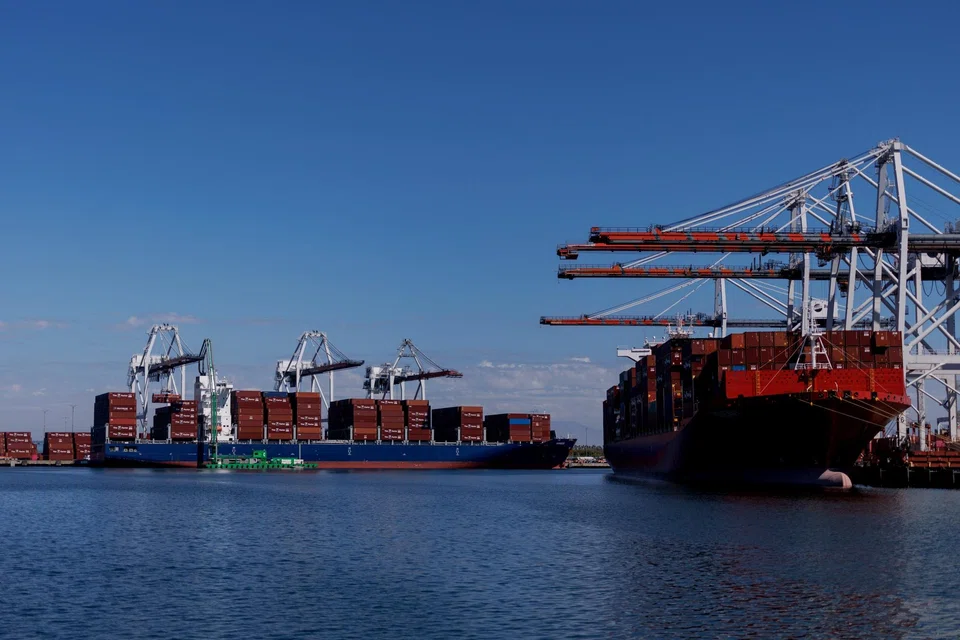
Importers pay tariffs when their goods enter the country. In the Customs process known as liquidation, tariffs are typically finalised 314 days after the date of entry. If there is an error in how a tariff was calculated, importers may owe or be paid back some of their tariff payment.
Eaton told Customs to liquidate entries that had not been liquidated yet “without regard” to the Ieepa tariffs. That order appears to be an instruction for Customs to recalculate what would have been owed if the Ieepa tariffs were not in place and pay back the difference, according to trade attorneys.
SEE ALSO
In addition to not-yet-liquidated entries, the judge called for Customs to reliquidate – and thus pay refunds on – entries that already liquidated, but “for which liquidation is not final”. This directive introduced some ambiguity: It’s not clear what the judge meant by “final”.
The “final” stage in the liquidation process could be a reference to the end of the 90-day period after liquidation during which Customs can voluntarily reliquidate entries, or the 180 days after liquidation during which importers can protest a tariff payment. If it’s the former, far fewer entries will be eligible.
How and when will the refunds be administered?
Customs said in the Mar 6 affidavit that it was “facing an unprecedented volume of refunds”. The agency said that as at Mar 4, 2026, more than 330,000 importers had made more than 53 million entries in which they paid Ieepa duties, amounting to about US$166 billion.
But Customs said that it’s creating new functionality to deal with refunds within the digital system importers use that will “require minimal submission from importers”. It’s aiming to have that functionality ready for use in 45 days, the agency said.
In response, the trade court judge suspended his order “to the extent that it directs immediate compliance”. He did not order a specific deadline for Customs to begin administering the refunds.
Will the government keep fighting the order?
The government could still appeal the trade court’s order. In a press conference after the Supreme Court decision, Trump predicted protracted litigation over the refunds. “We will end up being in court for the next five years,” he said.
The recent trade court developments are giving companies reason to hope they will see refunds sooner than that. “I am not taking this one court declaration that 45 days may be possible to prepare a system as gospel,” said Alexis Early, a partner at Bryan Cave Leighton Paisner. “I’m advising clients this could still be a few months,” she said. Further developments could extend the process longer than that.
Although the trade court’s Mar 4 order was good news for importers, Early said that she’s been telling clients to still have their import data organised and be ready to take action.
“The only way that importers can ensure they are getting their refunds and that they are not tangled up in unnecessary administrative difficulty is to be prepared to play an active role,” she said. BLOOMBERG
Decoding Asia newsletter: your guide to navigating Asia in a new global order. Sign up here to get Decoding Asia newsletter. Delivered to your inbox. Free.
Share with us your feedback on BT's products and services

