



US says Iran ceasefire still in place after clashes over Hormuz
At least two merchant vessels transited the waterway with US assistance
 Add BT as a preferred source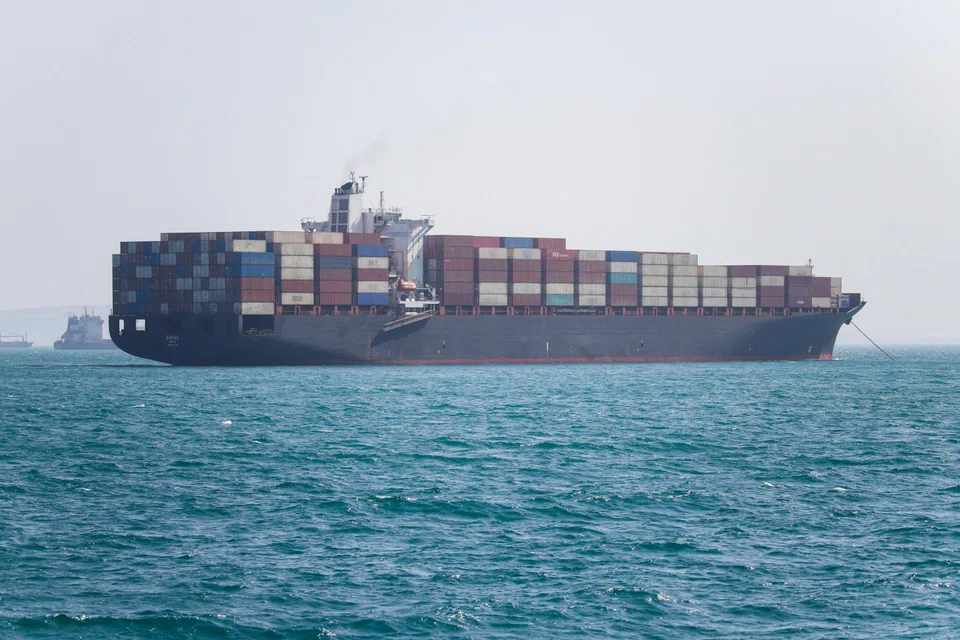
THE US played down the prospect of a return to active war with Iran after a day of clashes involving ships in the Strait of Hormuz and missile strikes against the United Arab Emirates.
Attacks by Teheran on vessels in the Persian Gulf and the UAE didn’t constitute a breach of a ceasefire, General Dan Caine, the chairman of the Joint Chiefs of Staff, told reporters at the Pentagon on Tuesday.
Speaking alongside him, Defense Secretary Pete Hegseth confirmed the truce that began just under a month ago is still in place.
Violence erupted on Monday after US President Donald Trump announced “Project Freedom,” which he described as a humanitarian effort to guide neutral ships stranded in the Gulf through Hormuz.
At least two merchant vessels transited the waterway with US assistance in fending off attacks, while two American warships entered the Gulf.
Project Freedom is a defensive and temporary operation, Hegseth said, adding that the US naval blockade of Iranian ports remains in full effect. Both he and Caine reiterated that US forces are ready to resume combat operations if required, while calling on other nations to step in to help.
Navigate Asia in
a new global order
Get the insights delivered to your inbox.
More than 1,550 commercial vessels carrying some 22,000 sailors are currently trapped in the Persian Gulf, Caine said.
Iran warned all ships against trying to get through Hormuz without its permission. It hit a South Korean bulk carrier and attacked an empty tanker belonging to the UAE’s state oil firm, Abu Dhabi National Oil Company, on Monday. There were no reports of injuries on either ship.
The American military fought off attacks from Iranian drones, missiles and armed small boats as it facilitated the passage of the two merchant vessels, US Central Command chief Brad Cooper said late on Monday.

The developments came amid an impasse between Iran and the US, with the sides showing little sign of agreeing to a fresh round of peace talks soon.
Teheran insists Washington must lift a naval blockade on its ports for that to happen. The US says the blockade is choking Iran’s oil exports and squeezing its economy, forcing it into concessions.
“We see ‘Project Freedom’ as an attempt to break the logjam in the strait, which has cast a long shadow over the global economy,” said Becca Wasser, an analyst with Bloomberg Economics. “Still, it carries significant escalation risks, as the outbreak of fighting on Monday illustrates.”
The UAE said it intercepted almost all the roughly 20 projectiles fired from Iran, the first such attack on the Arab country since the truce kicked in.
Yet three Indians were injured in a strike on an oil terminal part-owned by Vitol Group at the port city of Fujairah. Missile alerts were sent to people in cities such as Dubai and Abu Dhabi and authorities announced distance learning at schools for the rest of the week.
Iran cast the US move as “Project Deadlock” and a violation of the ceasefire. It also said talks mediated by Pakistan are making progress.
“Events in Hormuz make clear that there’s no military solution to a political crisis,” Foreign Minister Abbas Araghchi said on X. “The US should be wary of being dragged back into quagmire by ill-wishers. So should the UAE.” BLOOMBERG
Decoding Asia newsletter: your guide to navigating Asia in a new global order. Sign up here to get Decoding Asia newsletter. Delivered to your inbox. Free.
Share with us your feedback on BT's products and services
TRENDING NOW

On the board but frozen out: The Taib family feud tearing Sarawak construction giant apart

Is it time to scrap COE categories for cars?
Thai and Vietnamese farmers may stop planting rice because of the Iran war. Here’s why
As more Asean states turn to Russia for fuel, will Moscow boost its influence in the region?

