

Understated Korean-Italian at Osteria Da Su
Naeum chef Louis Han’s new restaurant could use a stronger personality, but is on the right path
NEW RESTAURANT
Osteria Da Su 163 Telok Ayer Street Singapore 068616 Reservations: http://bit.ly/dasu Open for dinner Tue to Sat: 5.30 pm to 10 pm. Lunch from Thu to Sat: 11.30 am to 2 pm. Closed on Sun and Mon.
OPENING a Korean-Italian restaurant raises several existential questions. To kimchi or not to kimchi? Is it Korean, or Japanese with different subtitles? When does risotto end and abalone porridge begin? How small can you make restaurant tables before it becomes illegal?
Fine, so the last one is ours. But table size is just one of the factors that come between the casual, budget-friendly, Italian-with-a-vague-Korean-accent cafe that Osteria Da Su is, and the more upscale, genre-bending, personality-driven eatery it could be.
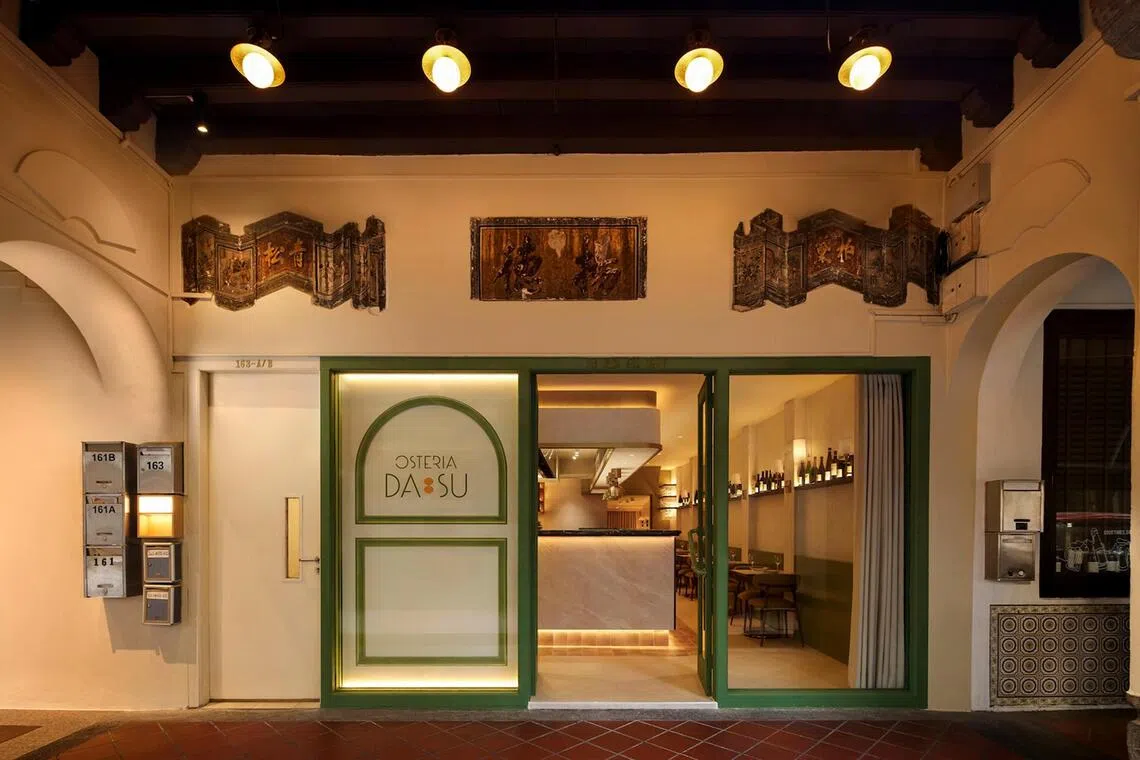
Osteria Da Su is the newest addition to Korean chef-restaurateur Louis Han’s steadily growing stable that includes his flagship Naeum and barbecue spot Guum.
It’s a serendipitous partnership with former culinary schoolmate Suji Park, an Italian-trained chef who worked in both Italy and South Korea. She was looking for her next challenge, and the space beside Naeum suddenly became available. Snap.

Italian food – from rustic to refined by actual Italians, to yoshoku-influenced Japanese versions – is nothing new. A Korean iteration, at least in Singapore, sounds deliciously alluring. But when that itch is barely scratched at Da Su, you wonder. How Korean does it have to be, to be Korean?
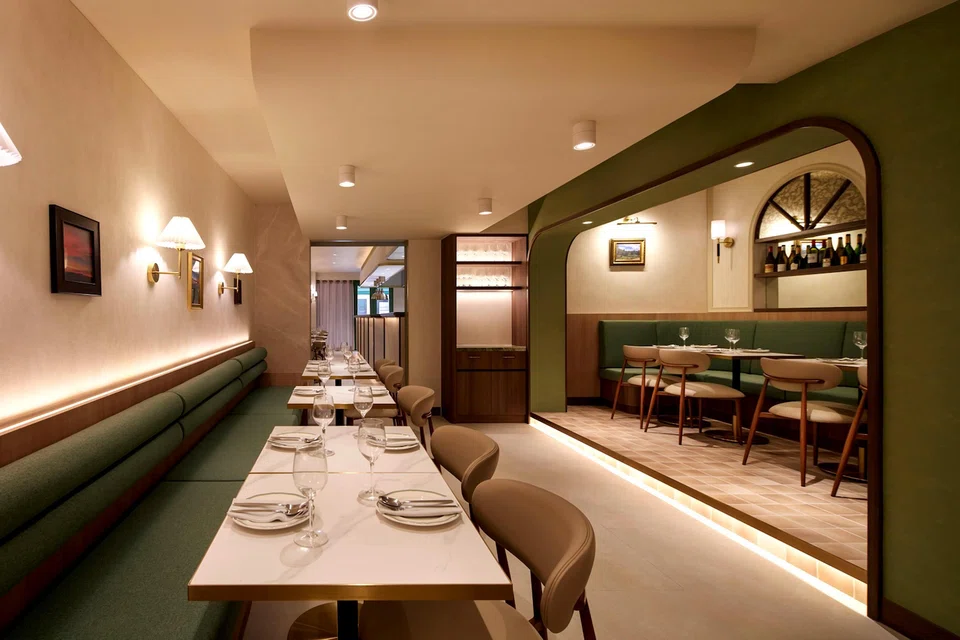
We contemplate that as we sit squashed between two young couples in this otherwise cheerfully dressed restaurant – think cool green and beige tones, walls covered with photos taken by the chef herself for a homey touch.
There’s a cosy alcove for bigger groups; otherwise you’re shoulder to shoulder with other diners. We’re close enough to both poke at our insalata condiglione (S$18) and assess the state of our neighbours’ relationships at the same time.
The verdict? One couple is just friends. The other is still in the peacocking phase.
Oh, the salad? A zesty tuna Nicoise by any other name, with a soy-braised egg in place of the regular hard-boiled variety.
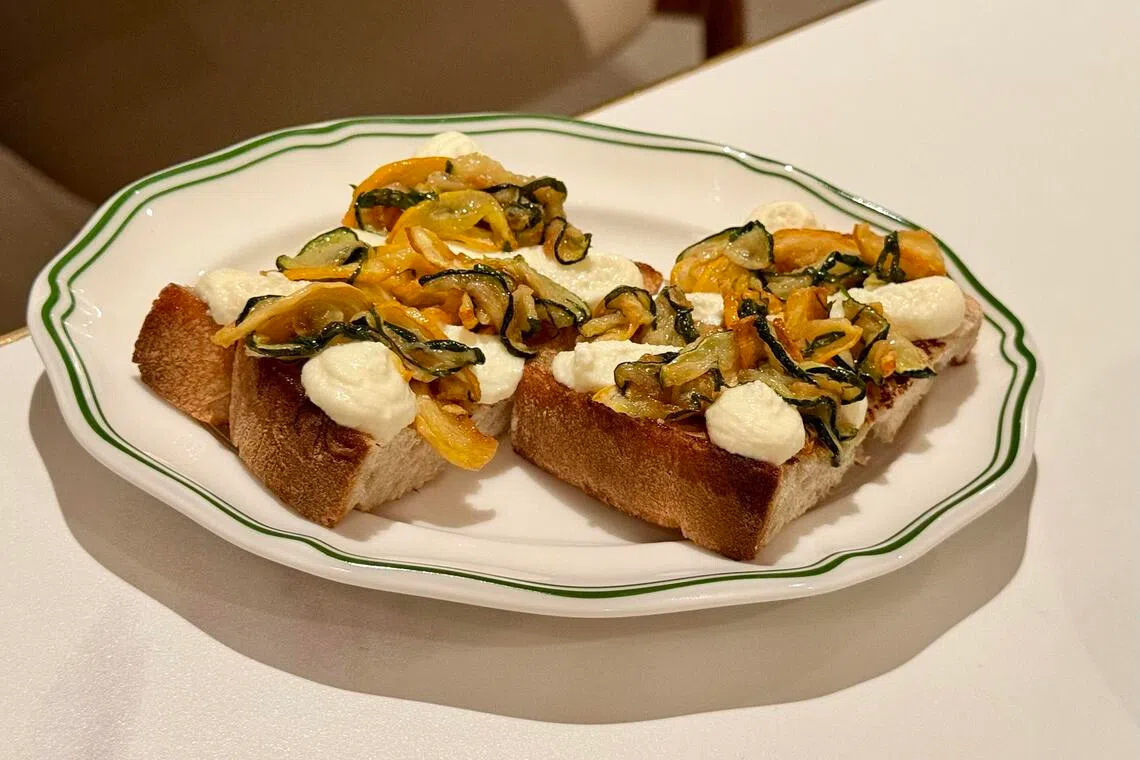
Zucchini bruschetta (S$12) is pleasant, if undemanding. Sourdough bread is so lightly toasted you barely get a crunch as you bite into creamy homemade ricotta cheese finished with shavings of barely seasoned zucchini.
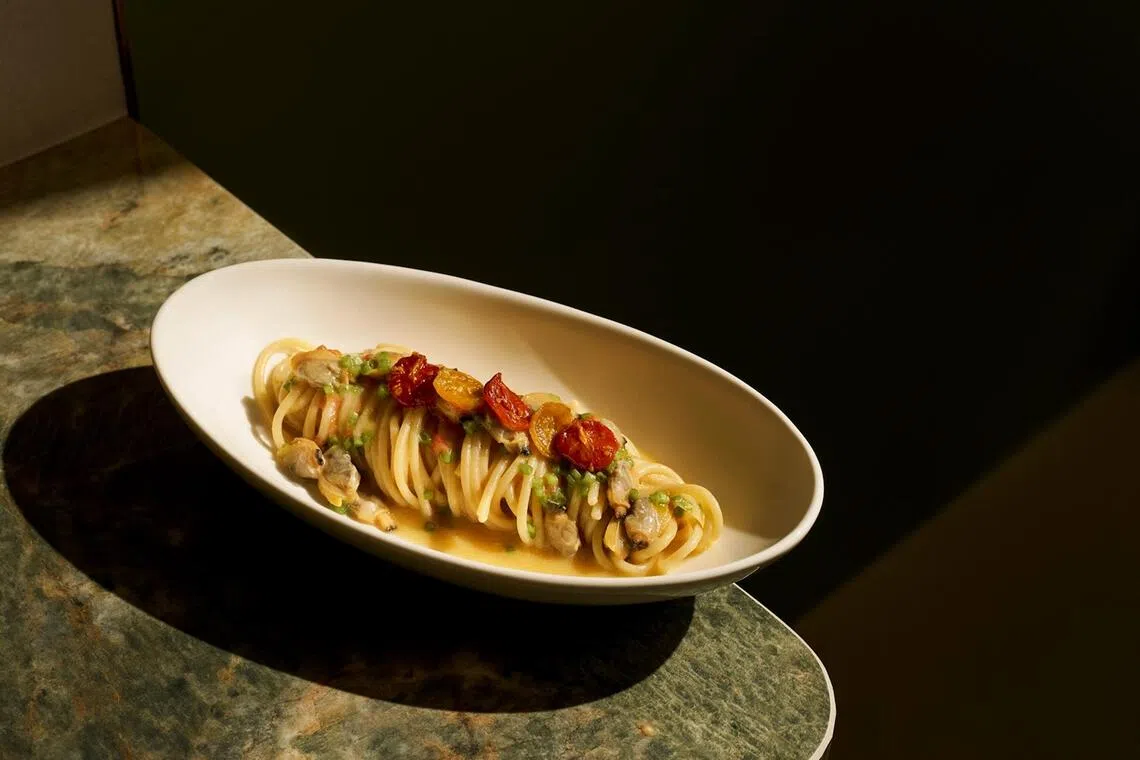
A plus here is the homemade pasta, cooked to the right bite. Firm without any underlying chalkiness, our spaghetti vongole (S$28) is sheathed in a glossy sauce of thickened broth packed with plenty of shelled baby clams, with semi-dried cherry tomatoes for a much-needed tangy contrast and a hit of chilli for effect.
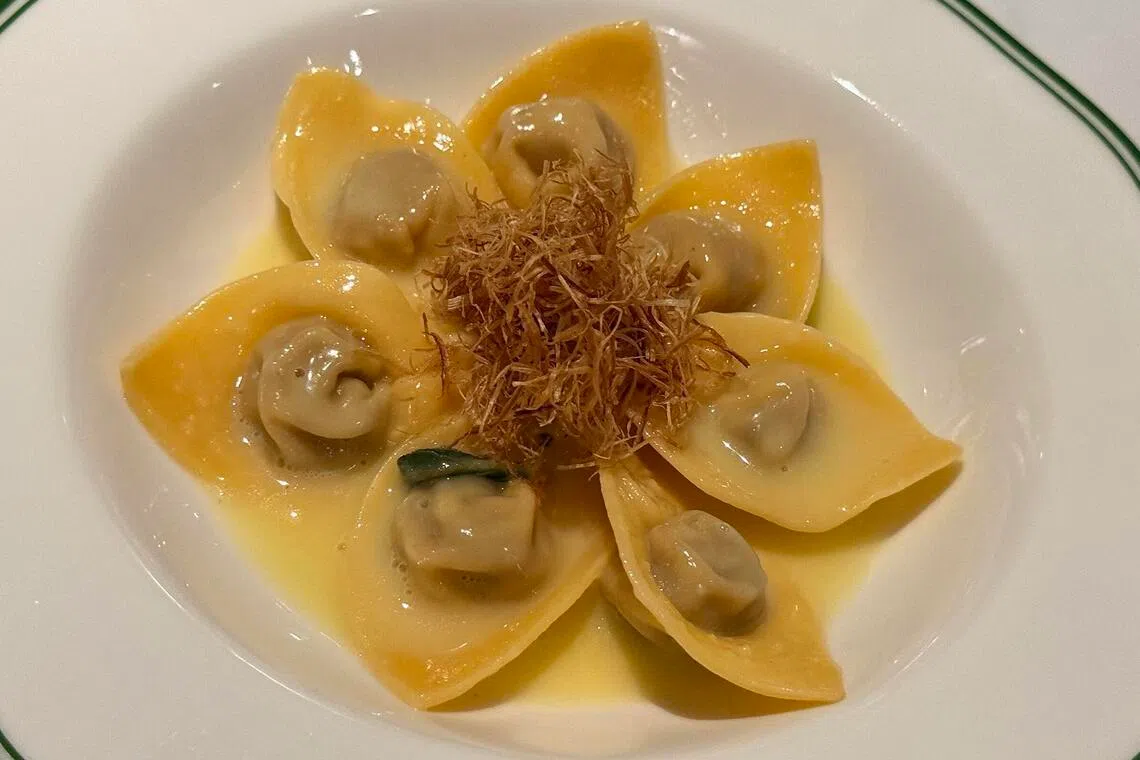
Tortelli di galbi jjim (S$30) is less shy but still a little hesitant, with its al dente pasta pillows filled with minced Korean-style braised pork basking in a shiny buttery sauce gently infused with sage. A crown of deep-fried crispy leeks lends extra crunch.
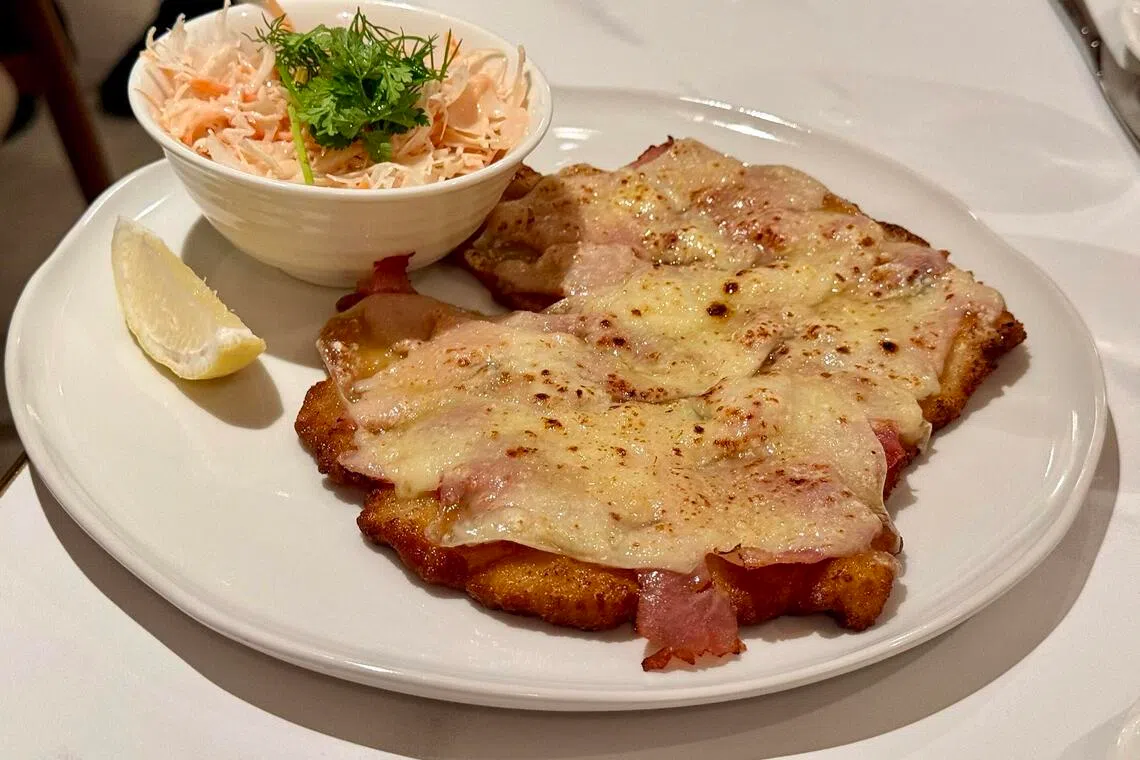
Iberico cutlet alla valdostana (S$42) is a flattened Jeju pork cutlet deep-fried in a crumb crust that doesn’t hold its crunch. It’s layered with ham and melted cheese that seem determined not to attract any attention, so the whole combination is almost bland.
An assertive Korean-style coleslaw steps up to yank the cutlet to attention with its robust but controlled acidity.
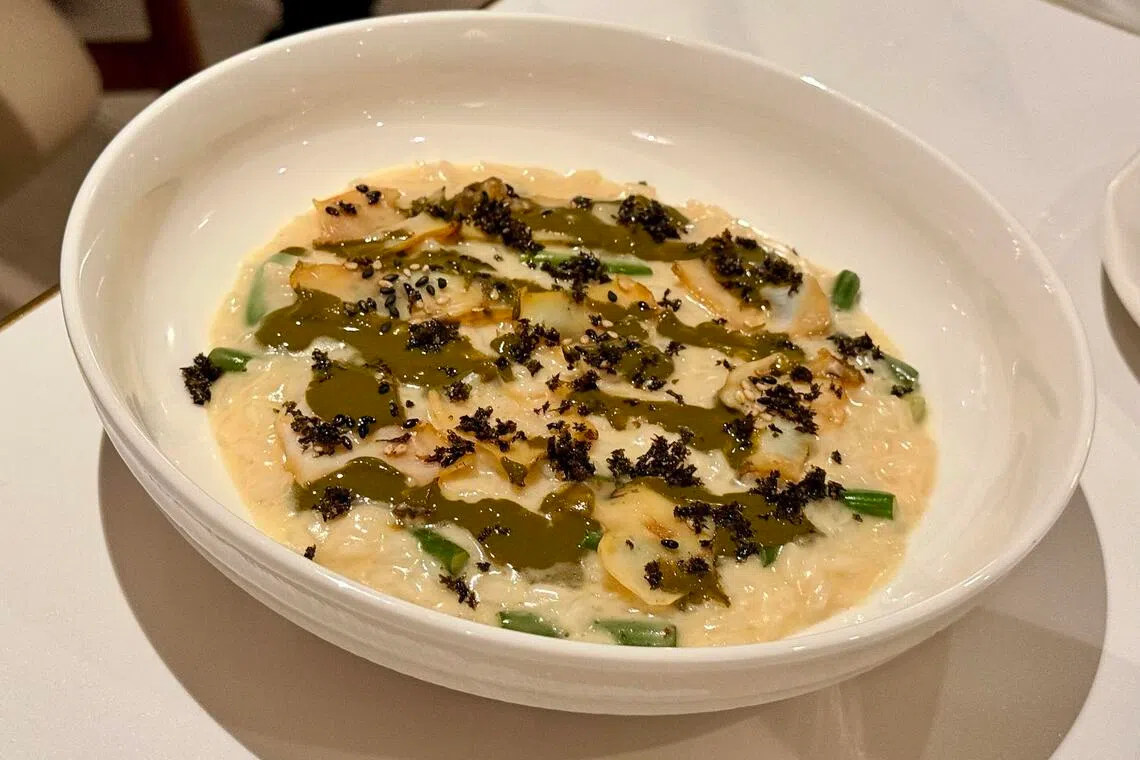
Then along comes an abalone risotto (S$36), confident enough in its Korean-ness to show off its similarity to the familiar porridge classic, while following the butter and wine route of its Italian side. It’s rich, savoury and chewy, with tender slices of shellfish and a drizzle of liver sauce.
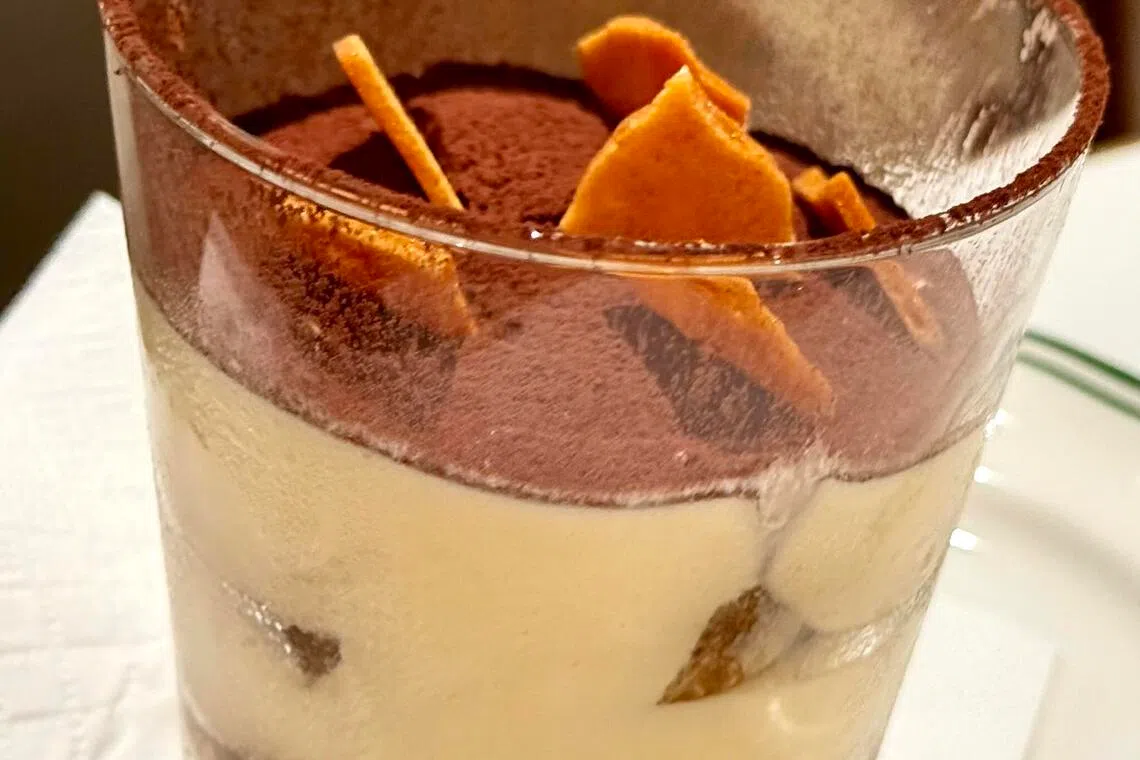
Desserts stick mainly to their Italian roots, with the tiramisu (S$14) served almost parfait-like in a glass filled with a thick, custardy mascarpone and just enough soaked sponge to meet its cake requirements. Crunchy dalgona honeycomb is its only nod to its Asian heritage.
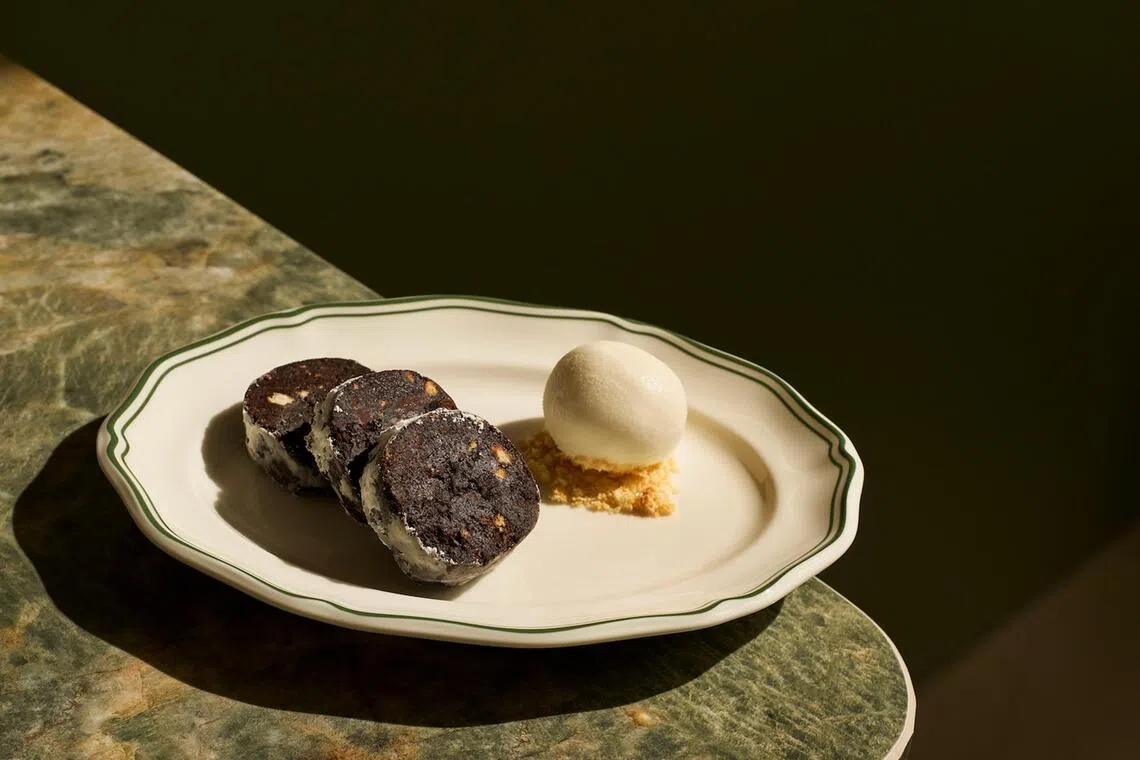
Chocolate salami (S$12) is just that. Nothing meaty, just an intense dark chocolate sausage with the texture of cookie dough, paired with vanilla gelato in a clever twist on brownie and ice cream.
For a casual, price-friendly eatery, service is restaurant-level with regular plate changes and servers who know what they’re doing. What remains now is for Osteria Da Su to decide on its culinary identity. There’s still a lot of room to grow, and whether it becomes more Korean or not, it’s up to chef Park to make her mark.
Rating: 6.5
Decoding Asia newsletter: your guide to navigating Asia in a new global order. Sign up here to get Decoding Asia newsletter. Delivered to your inbox. Free.
Copyright SPH Media. All rights reserved.
TRENDING NOW
Peter Kwee’s Ridley Park bungalow on the market with S$100 million asking price

Motoring tycoon Peter Kwee is back in court: Here are his previous legal battles

Demand, tech capabilities position Apac and AI as Skyscanner’s next growth frontiers: CEO Bryan Batista

South-east Asia has lost Nvidia’s best salesman

