
Declutter your home and mind: 8 quick tips before CNY
You’ll be surprised at what tidying up can do for your mental and emotional well-being
 Add BT as a preferred source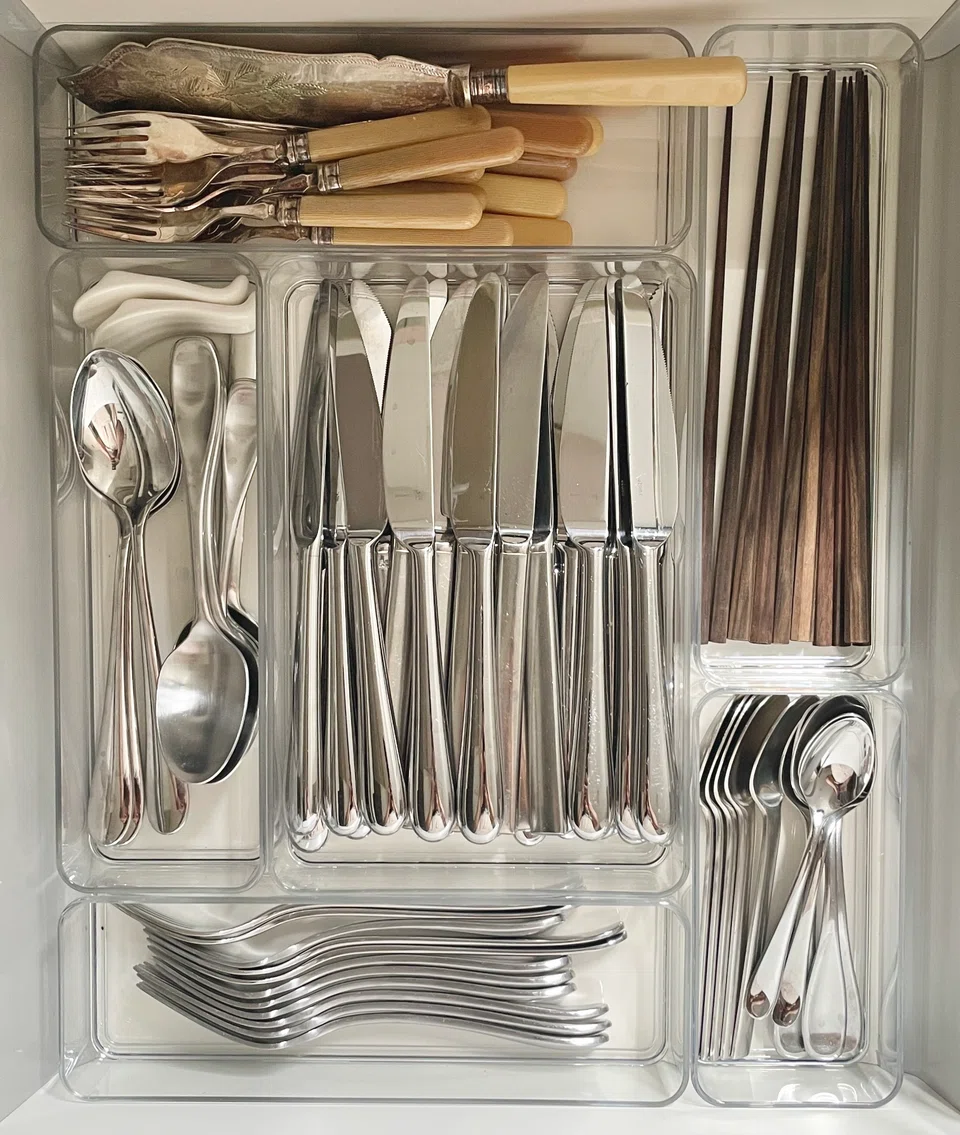
[SINGAPORE] There are exactly two weekends before we celebrate Chinese New Year – just enough time to do your annual spring-cleaning, if you haven’t already done so. And whether you dread it or not, this yearly exercise in decluttering actually does more good than you think.
Rae Zhang, co-founder of professional organiser Orderly, says of the body’s primary stress hormone: “Studies show that physical and visual clutter in general increases our cortisol levels.”
Clutter directly correlates to one’s mental and emotional state because every item is associated with thoughts, such as whether you need it, where to place it and so on, “so when you see 100 items and multiply every single one with the mental ‘weight’ it carries, that’s a lot of load for the mind”.
This is also why her clients who finally succeed in decluttering commonly say that “they can finally breathe”.
Zhang says: “People think decluttering is just about throwing things away, but when you go through the process, it’s actually very deep.
“There is a very subtle but profound mindset shift which can also help in many other ways; because when you can detach from a physical item, you’ll also be a lot less attached to non-tangible stuff like a relationship or job title.”
Navigate Asia in
a new global order
Get the insights delivered to your inbox.
But firing the decluttering engine, however, can feel overwhelming, acknowledges Clara Chew, a certified KonMari consultant behind Reglow Living. Created by Marie Kondo, the KonMari method focuses on tidying by categories rather than location, and keeping only items that “spark joy”.
To help you get going, here are actionable tips from the two experts.
Staying focused: The ‘why’ is key
Understand why you need to declutter, as that is the anchor that will hold you accountable, says Zhang. It could be triggered by major life events such as a divorce, downsizing to a smaller home, or the impending arrival of a baby.
For many though, it’s simply the mental and emotional toll of living with clutter, which can even lead to feelings of guilt and anger.
Starting small: Micro-decluttering
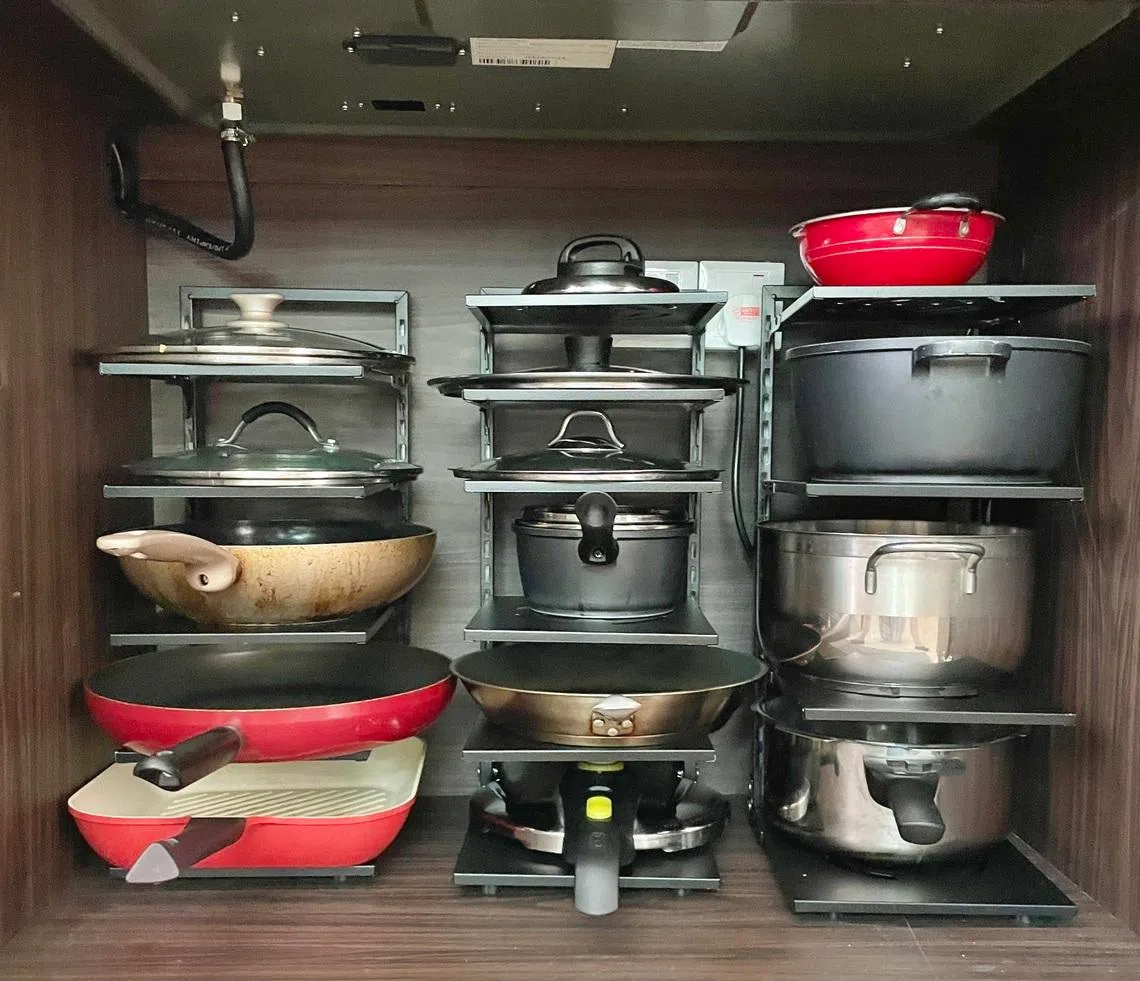
Avoid getting overwhelmed by starting small – such as tidying a drawer or shelf, suggests Zhang. You can opt for micro-decluttering, which is spending as little as five minutes a day putting things into two bags – one for throwing and the other for giving away. Small changes like this can be very encouraging, she says.
One category at a time: Clothes first
Decide on the category of items to clear out – such as clothes, kitchen appliances and digital devices – and work on one before moving onto the next, says Chew.
It’s good to begin with clothes as they tend to have little sentimental value, you’re aware of how often you wear them (or not) and they’re easily replaceable. “Tidying and decluttering is very mentally consuming as it involves quick-fire decision-making every second or two,” she says. “So people who go straight to sentimental items usually fail from the start because the mind is not honed in decision-making.”
The correct sequence: Remove, sort and organise
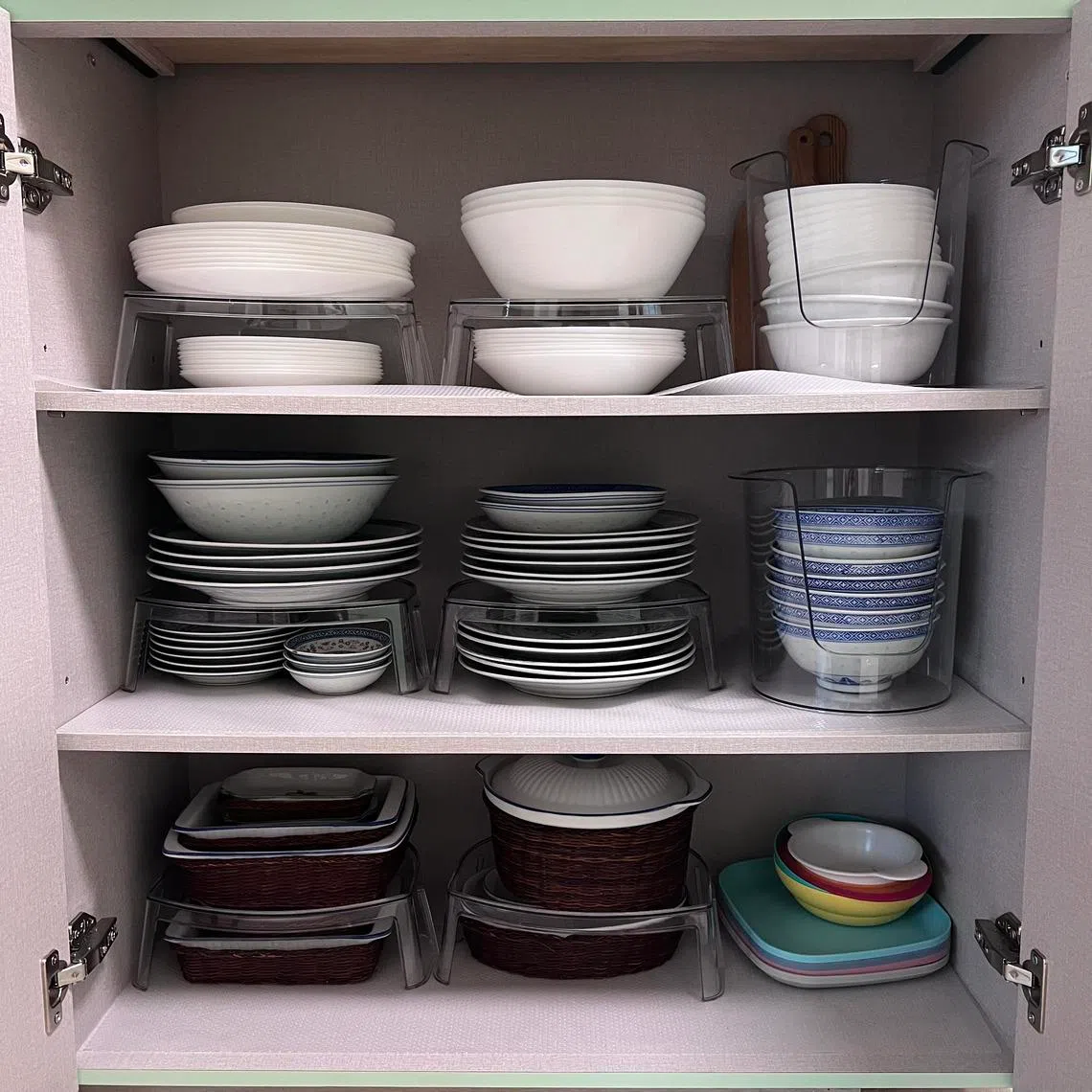
Start by removing things that no longer serve your needs. This is the hardest part and takes the longest. Thereafter, sorting what you’re keeping and organising them is fast.
“People do it the other way round – by buying organising products first,” notes Zhang. “But that’s the wrong approach as the tendency is to then keep things you don’t need just because they fit into the containers you bought.”
Roadblocks: Uncooperative family members
Chew recommends that every family member – including children – have their own space for their personal belongings. This way, everyone has agency, appreciates their storage limitations and can decide what they want to keep.
“I truly believe it starts with yourself,” she says. “Because when you don’t have anything you don’t want lying around, that kind of spirit and energy is contagious.”
A must-have: Clear containers
When sorting items quickly by category, containers are helpful and more visibly pleasing. Clear ones also help you remember what you have for easy retrieval and avoid repeat purchases. “Everything in the same category should be kept together – like in a shop,” advises Chew.
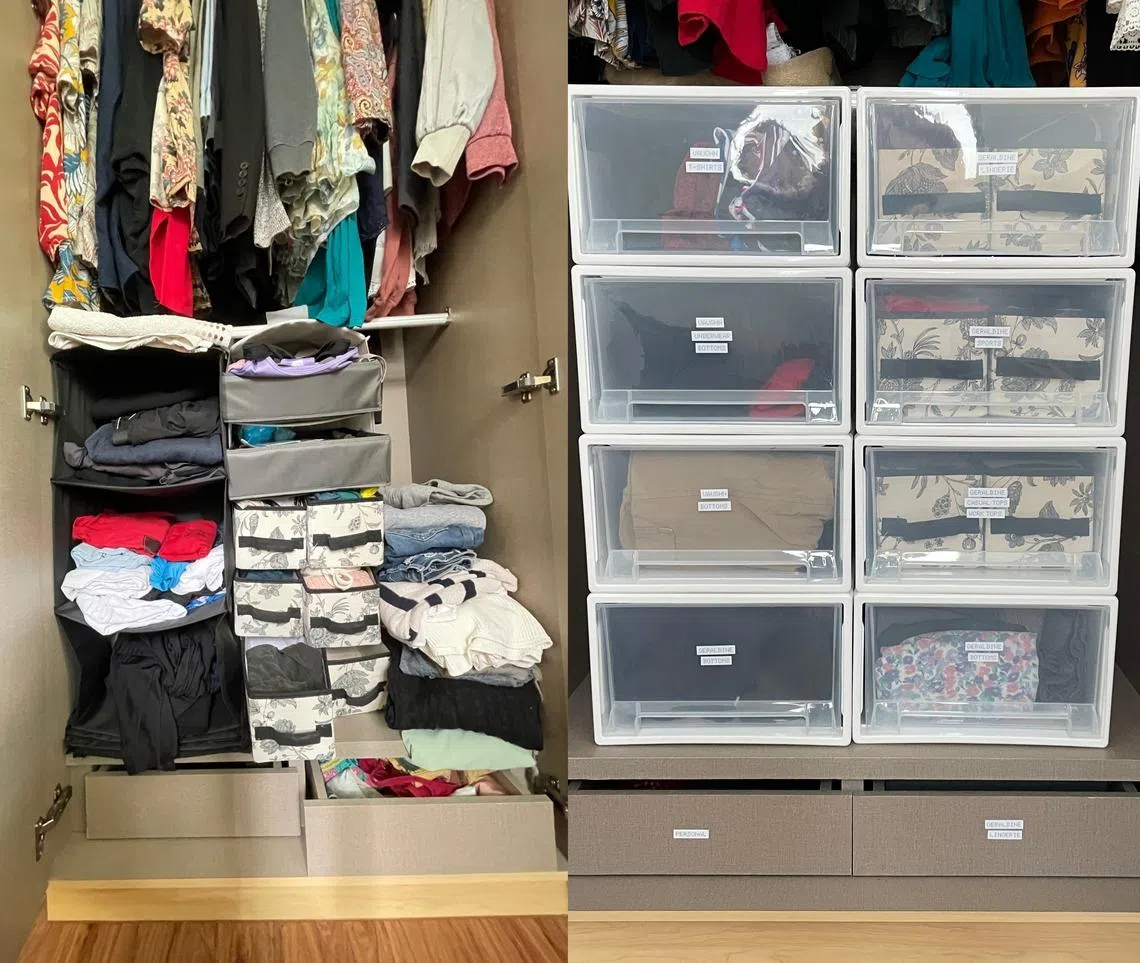
Another pro tip is to label the containers. “When you’re very busy, labels serve as a visual cue so you require very little effort to find what you need,” suggests Zhang.
Ask: What you want to keep, not what you want to throw out
Instead of thinking about what to throw out, decide on what you want to keep. This is because many things simply don’t meet the threshold of being throwable as we tell ourselves they can come in handy in future. “And that’s how we end up keeping them,” says Chew, adding that we keep things for two reasons – sentimental value and the unforeseeable future.
If you decide to keep sentimental items, then they should be placed where you can see them. As for those that could be useful down the road, remember they’re taking up valuable space today. “So it’s a reframing of the value of space. Think about what you want and everything else is a ‘no’.”
Maintenance: Keeping clutter at bay
Every item in the home enters via purchases or as gifts. So the best way of maintaining tidiness is to be mindful of what we buy – especially as online shopping is extremely convenient – and being very selective about what we bring home, says Chew.
When it comes to gifts, their true value is the thought behind it. “Once you appreciate this thought, the majority of the gift’s value has been realised,” she reasons. “So if you don’t want the item, give it away or sell it.”
Decoding Asia newsletter: your guide to navigating Asia in a new global order. Sign up here to get Decoding Asia newsletter. Delivered to your inbox. Free.
Copyright SPH Media. All rights reserved.

