
The rose-tinted inevitability of smart glasses
I laughed at them in 2013; I might buy a pair in 2026
 Add BT as a preferred source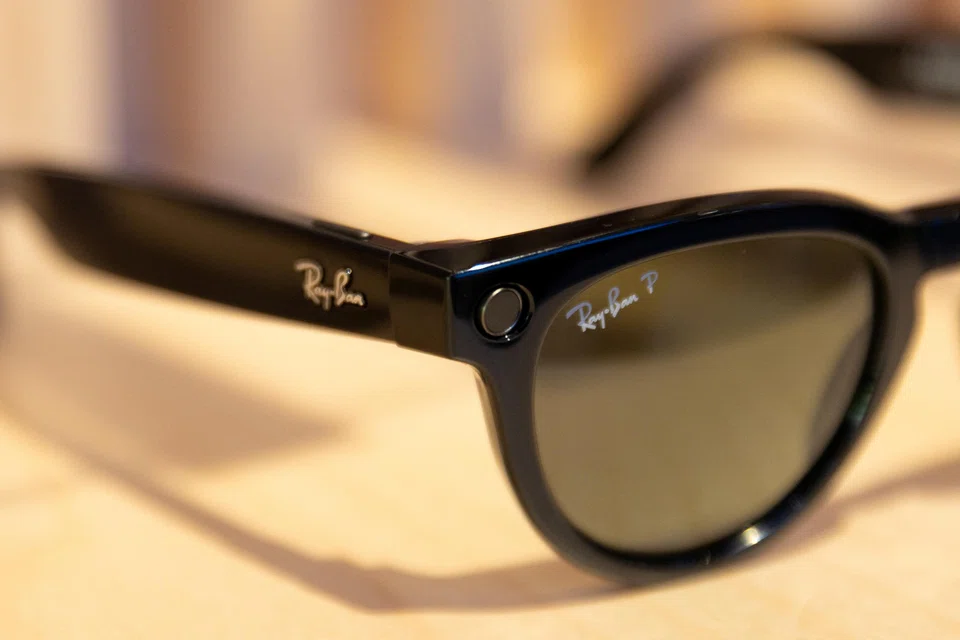

THIRTEEN years ago, if someone had suggested that I wear a computer, camera and microphone on my face and walk about unilaterally recording my private surroundings and unsuspecting individuals around me, I would have laughed rudely.
In fact, I did laugh rudely in 2013 before dismissing out of hand Google Glass, the ill-fated smart glasses that would eventually flop.
In 2025, however, people did a lot less laughing and a lot more buying. Ray-Ban maker EssilorLuxottica more than tripled sales of its Meta artificial intelligence (AI) glasses in 2025, selling more than seven million units – up from the two million that the firm sold in 2023 and 2024 combined.
The future looks rosy for these things, too. Globally, there were 15 million users last year, and analysts expect this figure to explode to 289 million by 2040, forming a market worth US$200 billion.
More than a decade ago, Google Glass failed because the solutions it offered weren’t worth the resulting censure, the US$1,500 price tag or being called a “Glasshole”.
Today, that calculus has changed drastically because of AI and the real-time computing enabled by 5G networks – now, these glasses offer hands-free real-time translation, transcription and contextual navigation, features that we have come to rely on in our smartphones.
Navigate Asia in
a new global order
Get the insights delivered to your inbox.
Our norms and behaviours have also morphed drastically, as the Overton window for the technological surveillance that consumers will tolerate has widened inexorably over the years.
We might have rejected Google Glass in 2013, but we have since normalised a pervasive camera culture into which Google will lob its first AI-powered glasses this year.
Today, our fingers hover constantly near our phones, ready to record ourselves and each other. And in anticipation of being recorded, we have pre-emptively modified our own behaviour and speech for the panopticon of smartphone and CCTV cameras we have erected.

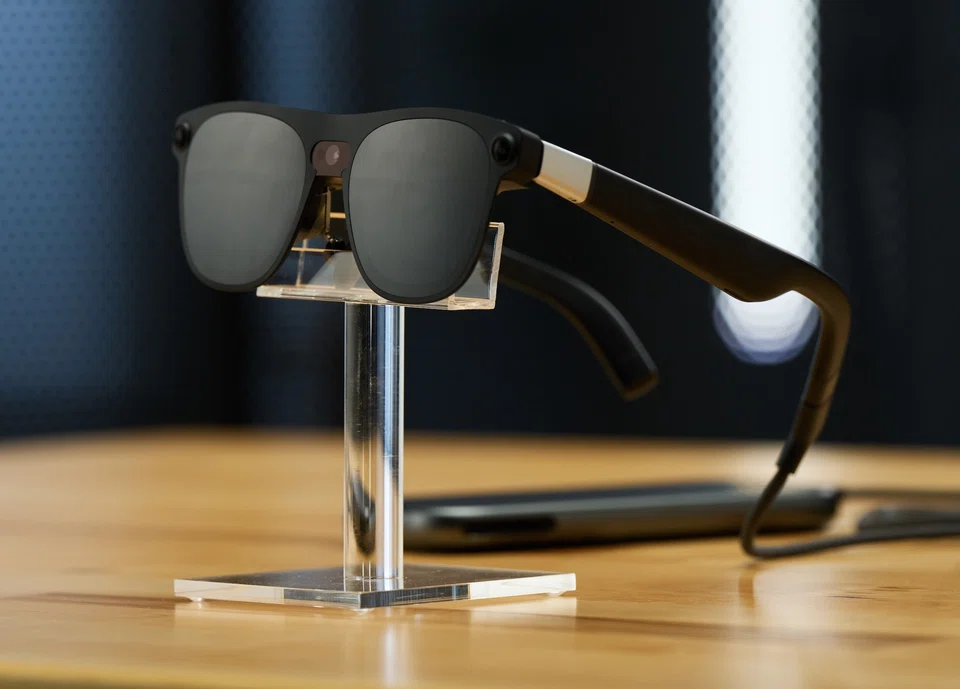
Smart glasses are also an inevitable milestone in our evolving relationship with AI, especially given how we are collectively wandering down a path that leads ever further away from literacy. In apprehending the world, we have moved from reading, to listening to podcasts, to watching videos – the shorter, the better.
How we use AI is on the very same trajectory – we first typed text queries into chatbots, then asked them questions through voice commands and now we will aim a camera embedded in phones and smart glasses at whatever we want explained.
Of course, the privacy concerns that doomed Google Glass have not disappeared – they have simply been absorbed into the ambient anxiety of today’s uniquely distressing times. The conversation that we avoided having in 2013 will actually need to be had this time, as we hammer out social norms around when it is acceptable to wear these glasses and how to get recording consent, among other things.
But don’t hold your breath. This sort of conversation requires a combativeness about technological encroachment that is laughably vestigial today. The spirit is willing, but the flesh would like some hands-free GPS navigation directions. At a party recently, I could have raised these privacy and consent issues with my friend, as we admired the smart glasses he was wearing. But I did not, for I had far more pressing questions: How much did they cost, and where could I get a pair of my own?
Decoding Asia newsletter: your guide to navigating Asia in a new global order. Sign up here to get Decoding Asia newsletter. Delivered to your inbox. Free.
Copyright SPH Media. All rights reserved.

