
Budget 2026: Fiscal forecasts are reasonable, not too conservative: PM Wong
GST hikes remain necessary to provide stable revenues for increased structural spending
 Add BT as a preferred source
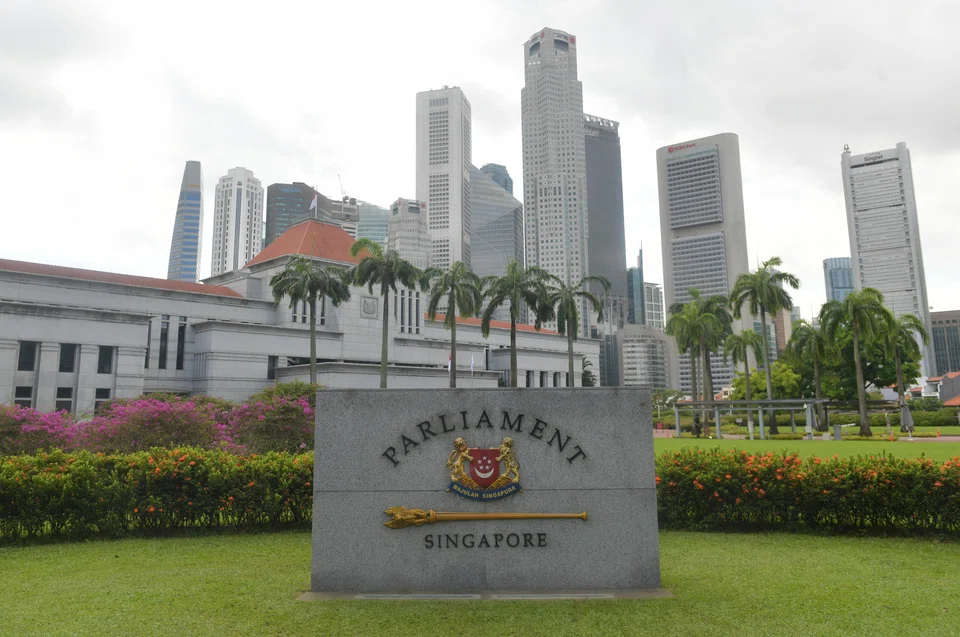
[SINGAPORE] Higher-than-expected fiscal surpluses are not due to overly conservative forecasts, and forecast deviations are in fact “within a reasonable range”, comparable to those in other advanced economies, Minister for Finance Lawrence Wong said on Thursday (Feb 26).
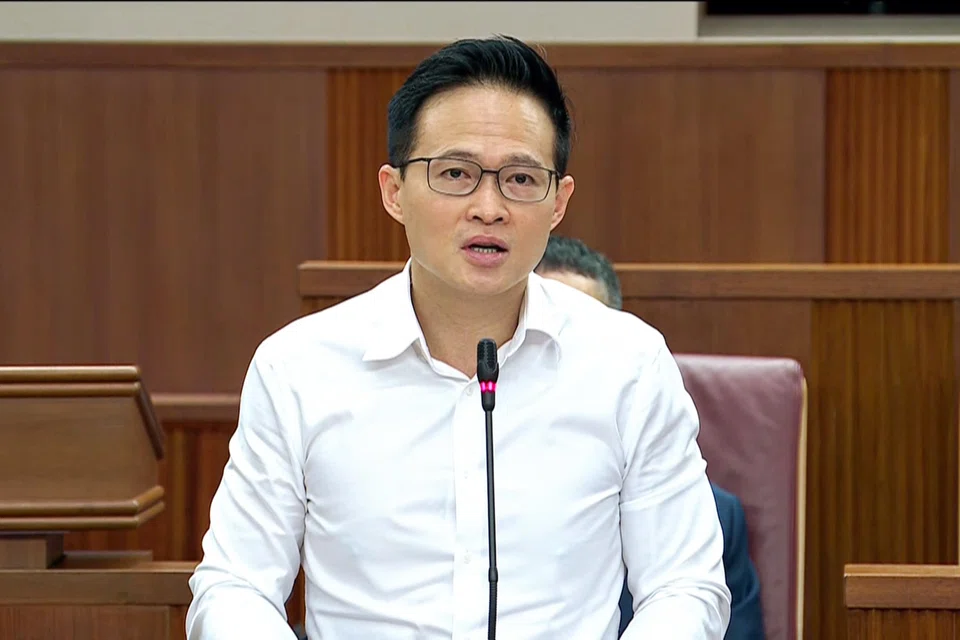
Addressing concerns about Singapore’s fiscal marksmanship in his Budget round-up speech in Parliament, Wong, who is also prime minister, said that projections are informed by the “best available data” at the start of each financial year, including gross domestic product growth assumptions.
But for a small, open economy like Singapore, “growth outcomes can diverge significantly from forecasts as global conditions evolve”, he added, due to the Republic’s dependence on the external environment.
“Forecasting Singapore’s GDP growth is like forecasting the world’s GDP growth, which is very, very difficult to do,” PM Wong said.
Similarly, revenues from property transactions and vehicle Certificate of Entitlement (COE) premiums are “inherently difficult to predict”.
In the case of COEs, premiums continue to rise despite increased quotas, on the back of sustained demand. This explains the increase in revenue from licences and permits, he said.

PM Wong also responded to “(a further insinuation that) the PAP (People’s Action Party) government deliberately painted a doom-and-gloom picture for electoral advantage”.
Highlighting the context of the US’ “Liberation Day” tariffs, he noted widespread uncertainty across the world, not just in Singapore, at the time.
“At that time, how many analysts projected 5 per cent growth for Singapore in 2025? I don’t recall any,” he said.
SEE ALSO
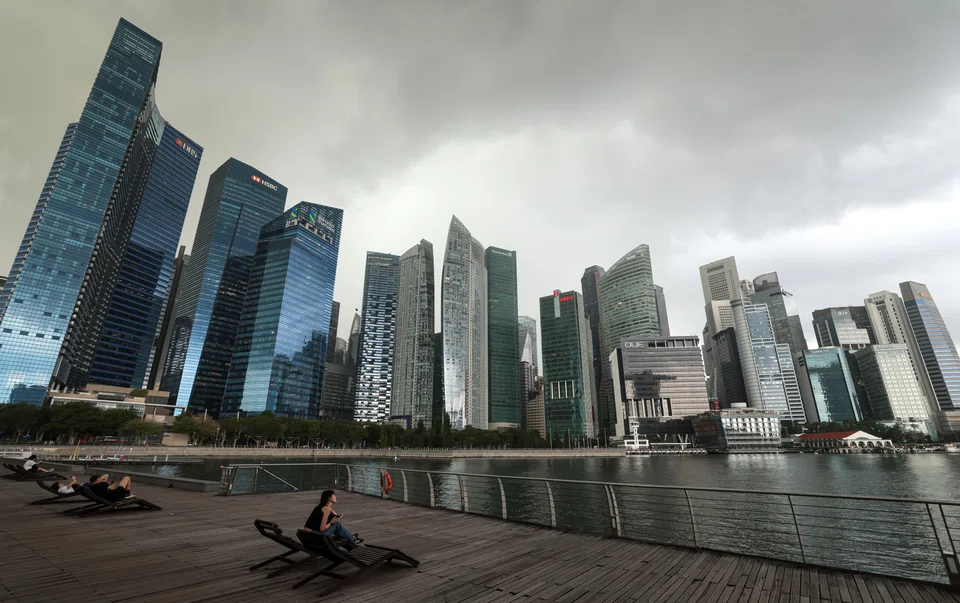

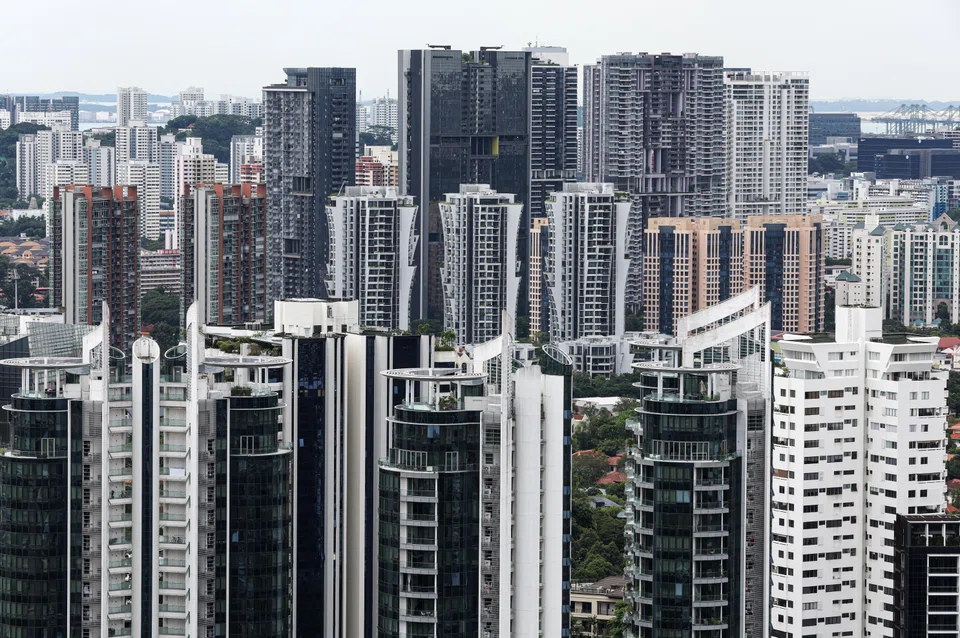
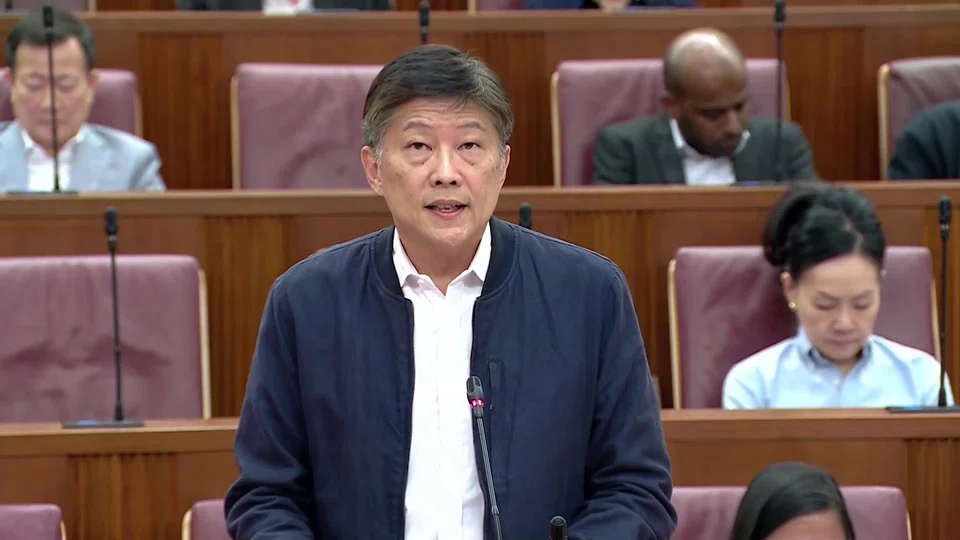
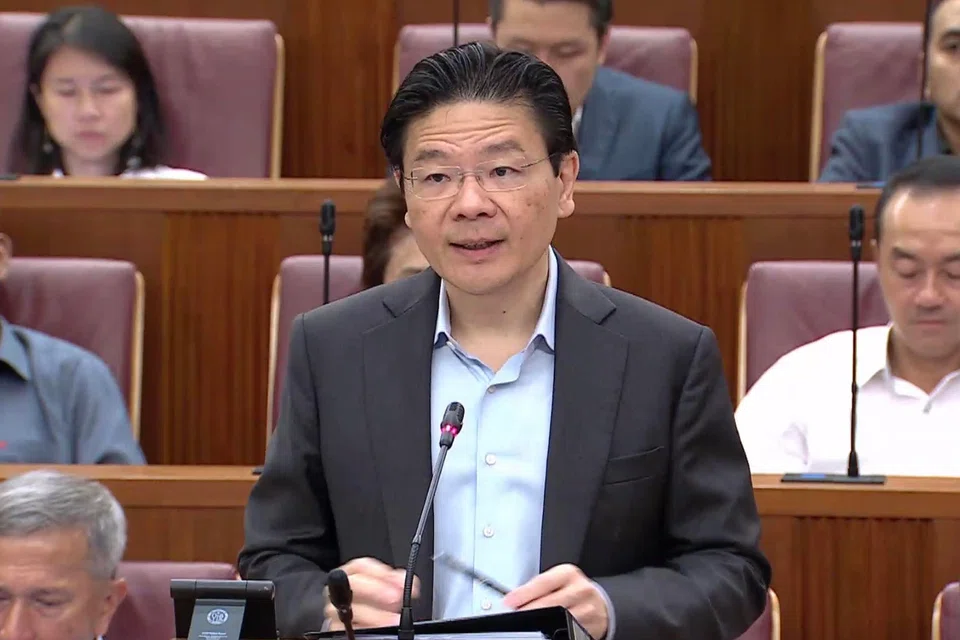
The prime minister added that Singapore’s better-than-expected economic performance was due to both factors beyond its control as well as decisive steps taken to safeguard its interests.
These include deepening its links with other countries, forging new agreements that sustained investor confidence, and its agencies, businesses and workers’ efforts to adapt through uncertainty.
Top-up tax upsides
For the medium term, the government expects structural revenue increases from FY2027 – when already-strong corporate tax collections will be supported by the first revenue collections from Base Erosion and Profit Shifting (BEPS) top-up taxes.
PM Wong announced during his Budget speech that the Republic will proceed with the implementation of the domestic top-up tax under Pillar Two of the BEPS 2.0 framework.
“Our initial sense is that the further increase from the top-up taxes could be significant,” he said, adding that the government will continue to firm up its estimates with more up-to-date data on firms’ performances and plans.
In a clarification, Workers’ Party MP Sylvia Lim noted that the prime minister was previously more cautious about the upside from BEPS, recalling that he had said Singapore would need to consider the incentives offered to businesses and, “in the end, it might not be a net positive”.
In response, PM Wong said this caution was because there was no certainty on how BEPS would evolve. Pillar One is targeted at shifting profits away from hub economies such as Singapore while Pillar Two is meant to implement a global minimum tax rate, which would give upsides to revenue.
It was earlier unclear whether Pillar Two would be implemented, he added.
But today, Pillar One has not yet taken off, he said, so the downside risks have come down. Meanwhile, there has been “broad consensus” on Pillar Two, with many jurisdictions implementing their versions of domestic top-up taxes, which will certainly provide revenue upsides.
But PM Wong acknowledged that while the domestic top-up tax means that revenue upside is more assured, Singapore will need to spend more to attract strategic investments and strengthen its investment promotion toolkit.
GST hike rollback?
On whether the goods and services tax hike should be re-evaluated, given stronger revenue from other sources, PM Wong reiterated that the increase was introduced to fund rising structural healthcare expenditure for an ageing population.
In 2022, when the decision was made to raise the GST, there was no sign that corporate income tax collections would rise so significantly, he said. “It would not have been responsible to fund permanent healthcare commitments using revenue sources that were uncertain and can yet dry up.”
He continued: “These spending needs are permanent and will continue to grow, and they should be supported by a stable and reliable revenue base.”
Spending needs are also rising in other areas, such as for social needs, economic competitiveness, the energy transition, security and infrastructure, PM Wong added.
“So the additional corporate tax revenues will strengthen our fiscal position and support these growing needs, but they do not replace the structural role of the GST.”
The government’s aim is not to run high surpluses for the remainder of this term, but to run a balanced Budget, he said. “When there are revenue upsides, we will deploy these to meet our growing needs.”
PM Wong noted that the Ministry of Finance had previously published medium-term fiscal projections up to 2030, with updated revenue and expenditure developments.
These will need to be refreshed, with the ministry planning to release updated medium-term projections extending to 2035 by 2027, he said.
But he cautioned that assumptions can quickly become outdated in today’s fast-changing world, so these forward-looking projections serve as a guide, and will still need to be continually updated.
Decoding Asia newsletter: your guide to navigating Asia in a new global order. Sign up here to get Decoding Asia newsletter. Delivered to your inbox. Free.
Copyright SPH Media. All rights reserved.

