
Budget 2026: Parf rebate changes could boost EV adoption and COE renewals but dampen luxury car sales
Observers say that the reduction of de-registration rebates for cars will favour electric vehicles over petrol and petrol-electric hybrids
 Add BT as a preferred source
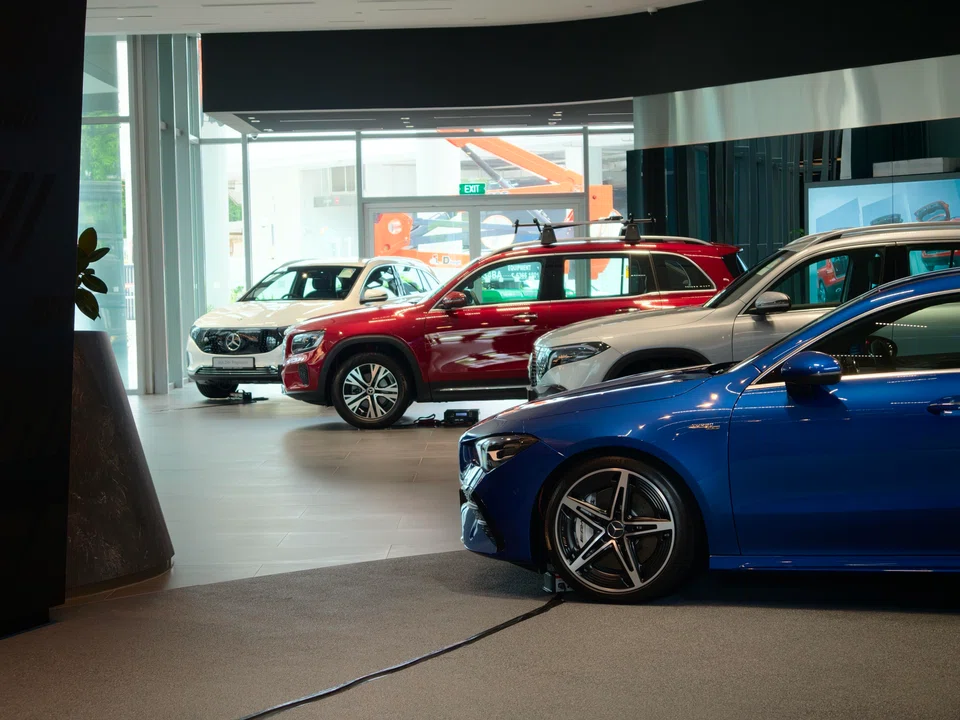
[SINGAPORE] Reductions to rebates for the early de-registration of vehicles could make car buyers favour electric vehicles (EVs), dampen luxury car sales and lead to more owners renewing their Certificate of Entitlement (COE) after 10 years.
“This change means that for non-EV and luxury models, their depreciation increases and paper value is reduced, which could affect their sales negatively,” said Vincent Ng, automotive business consultant at Vincar Group.
“The purpose of the Parf (Preferential Additional Registration Fee) is to encourage more new cars on our roads by early de-registration. Now the incentive is reduced, it is counterintuitive,” said Nicholas Wong, CEO of Honda distributor Kah Motor.
On Thursday (Feb 12), Finance Minister Lawrence Wong announced reductions to the Parf rebate during Budget 2026.
The Parf rebate is designed to encourage earlier de-registration, with a higher rebate paid out for earlier de-registration before a car’s 10-year COE lifespan ends.
“EVs are less pollutive than conventional petrol cars, and as EVs become more common, the need to encourage early de-registration through the Parf rebate is reduced,” said Wong, who is also prime minister.

The Parf rebate is calculated as a percentage of the Additional Registration Fee (ARF), a tiered tax on cars in Singapore. More expensive cars face a higher ARF.
The Parf has now been lowered by 45 percentage points across the board. For example, cars registered from Feb 22, 2023, onwards enjoyed a Parf rebate of 75 per cent if they were scrapped within five years. This has been reduced to 30 per cent for vehicles registered from the next round of COE bidding in February, which ends on Feb 20.
The maximum rebate has also been reduced to S$30,000 from S$60,000 currently.
SEE ALSO
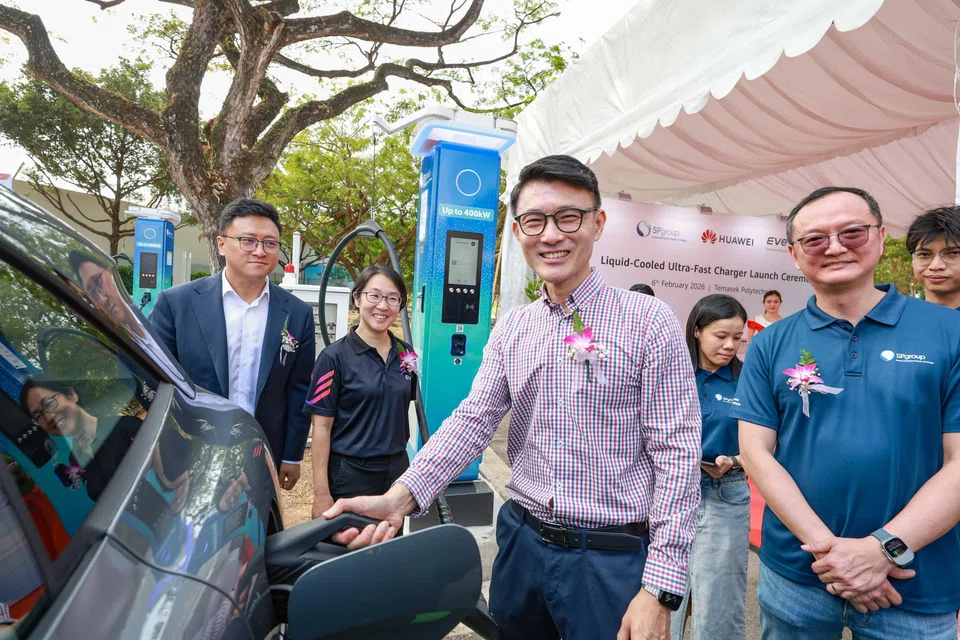


EVs charge further
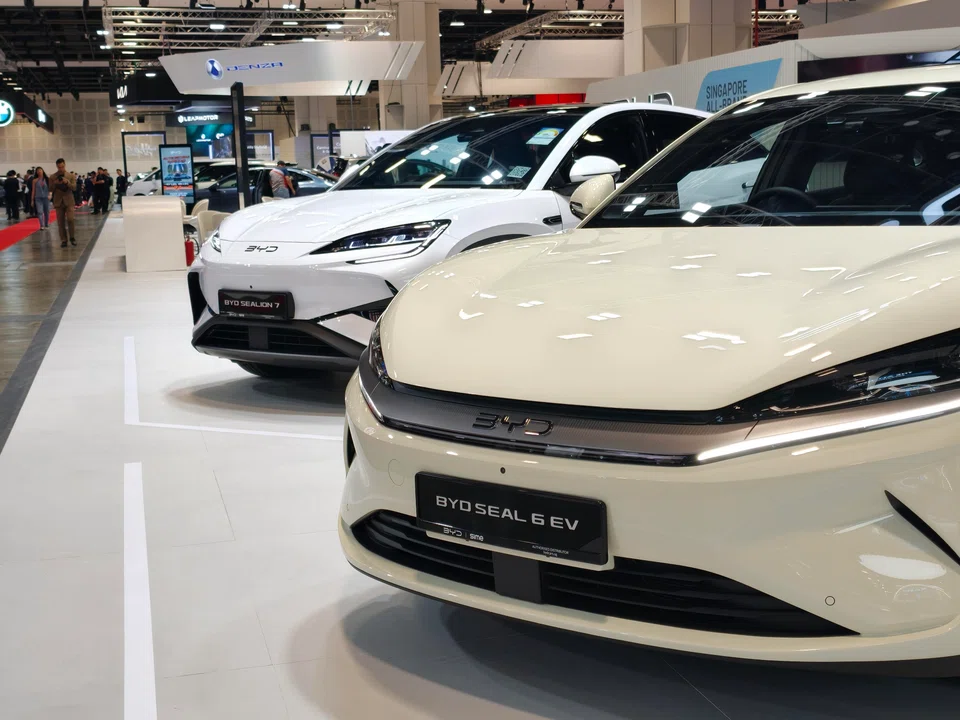
Industry observers said that EV sales could benefit from the move because it will increase the depreciation of non-EVs, including petrol and petrol-electric hybrid cars.
“With the PARF rebate reduced by a significant percentage and a much lower cap, it means all cars will have higher depreciation,” said Ng Choon Wee, commercial director for Hyundai distributor Komoco Motors.
Depreciation, the reduction in a car’s value over time, is calculated based on the car’s value at time of potential de-registration. This is largely based on the pro-rated remainder of the COE value and the PARF rebate.
Industry sources said that for a typical mainstream sports utility vehicle such as the Honda HR-V, the PARF rebate for a car above nine years old but less than 10 years old would drop to around S$900 from more than S$8,500 previously.
In a Facebook post on Thursday after PM Wong’s speech, the Land Transport Authority noted that EVs would not be heavily impacted by the PARF changes due to the rebate schemes in place.
EVs receive up to S$30,000 of combined rebates, which are calculated as discounts on ARF. Accordingly, they have little or no PARF rebate, regardless of age, said Ng.
But EVs enjoy a significantly lower purchase price as a result of these rebates, which petrol and petrol-electric hybrids either do not have, or have much less of.
Timothy Wong, a principal for consultancy Roland Berger, said: “Ultimately, this translates into a sharper hike in annual depreciation for non-EVs. As long as upfront EV incentives remain in place, the depreciation increase for electric models will be less pronounced, potentially making them more financially attractive.”
Harder path for luxury cars?
The rule changes may also dampen demand for more expensive cars as their depreciation will increase, not only as a result of a lower PARF rate by percentage, but also due to the much lower cap.
The managing director of a European luxury car dealer said: “This new scheme increases depreciation quite a lot for luxury cars. With that, buyers might turn away.”
For a large German luxury sedan, the PARF rebate for a car above nine years old but less than 10 years old would be reduced to around S$4,000 from S$44,000 previously, he said.
But since the luxury market has models of varying cost – from S$200,000 to more than S$1,000,000 for brands such as Mercedes-Benz and BMW – the true effects remain to be seen.
“It won’t be as big of a drop like we saw in the (ultra-luxury) market in 2023. The cars will still have other residual value and not all owners will count depreciation as the sole factor,” he added.
In 2023, the government implemented a PARF rebate cap for the first time alongside ARF increases for more expensive vehicles, which resulted in a drop in ultra-luxury vehicle brand sales by as much as 80 per cent in 2024.
Hold on
But the significant reduction in PARF rebates could also lead to vehicle owners holding on to their cars for longer, rather than de-registering them.
“In this case, (the PARF rebate) is no longer a major incentive to scrap or de-register the car before 10 years is up. Owners will do their sums and realise it’s more cost-effective to keep the car for another 10 years by renewing the COE,” said Wong from Kah Motor.
Most car owners with a car nearing the end of its COE lifespan will consider buying a new vehicle by trading in their existing one. With increased depreciation as a result of reduced PARF rebates, this could reduce trade-in values and make them reconsider their decision.
Roland Berger’s Wong said that while renewing COEs makes sense from a mathematical standpoint, several other factors would also play a part, including reliability, the advancement of EVs and emotional considerations.
However, Vincar’s Ng added that renewals would be likely regardless of COE premium levels.
“If the COE price is low, it is attractive to renew instead of de-registering the car. If the COE price is high, then it’s even more attractive because a new car will be more expensive and you have less rebate to factor in,” he said.
He added that the move makes sense from a revenue collection perspective.
“With this change, the merit is not for buyers, but for the government – it has to provision less for early payouts and effectively increases ARF tax revenue recognised. It’s a tax measure,” he said.
For more of BT’s Budget 2026 coverage, go to bt.sg/budget26
Decoding Asia newsletter: your guide to navigating Asia in a new global order. Sign up here to get Decoding Asia newsletter. Delivered to your inbox. Free.
Copyright SPH Media. All rights reserved.

